Lift Doors Failing Intermittently? Common Causes and How to Stop Repeat Problems
Introduction
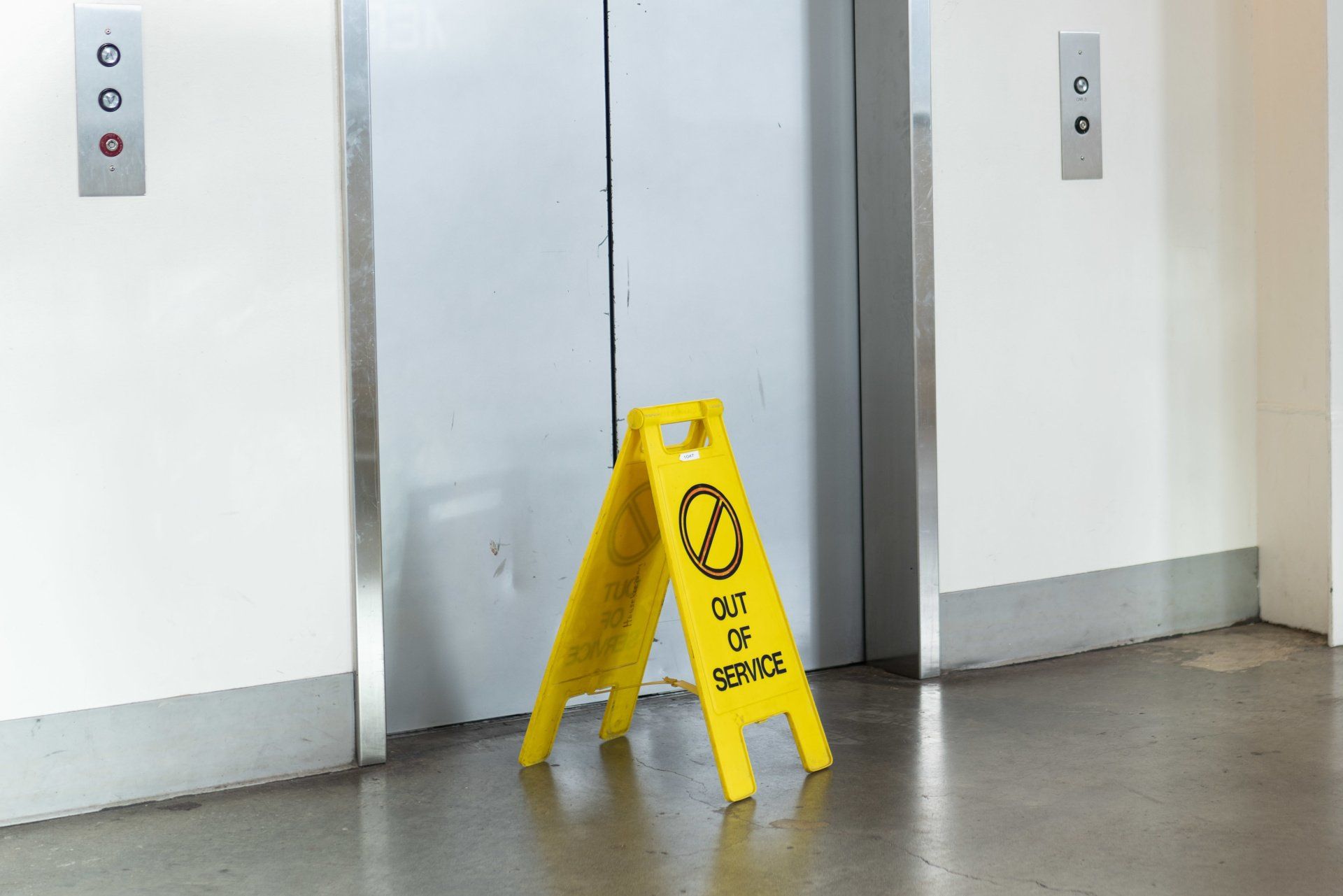
If your lift keeps going out of service, you’re not alone. This is one of the most common frustrations for building managers, landlords, and facilities teams across the UK — particularly towards the end of winter, when lifts have already been under months of heavy use.
While a lift going out of service once can be bad luck, repeated shutdowns are usually a sign that something deeper is going on. Understanding why this keeps happening is the first step towards improving reliability and reducing disruption.
What “Out of Service” Really Means
When a lift is marked as out of service, it doesn’t always mean there has been a major breakdown. In many cases, the lift has shut itself down because a safety system has detected something that doesn’t look right.
This could be a door that hasn’t closed properly, a sensor that isn’t responding consistently, or an electrical signal that falls outside normal limits. Modern lifts are designed to err on the side of caution, so even small irregularities can cause a shutdown.
The problem is that when these issues happen repeatedly, the lift can spend more time out of service than in use.
Common Reasons Lifts Keep Going Out of Service:
One of the most common causes is intermittent faults. These are issues that don’t happen all the time, which makes them harder to diagnose. A lift might work perfectly for days, then suddenly shut down without warning.
Door-related issues are a frequent culprit. Doors that fail to close smoothly every time, sensors that are affected by dirt or moisture, or worn rollers can all cause the lift to stop as a safety precaution.
Electrical issues are another common factor. Power fluctuations, ageing components, or loose connections can trigger shutdowns even when there hasn’t been a full power cut.
Over time, general wear and tear also plays a role. Components that are approaching the end of their working life may still function — just not reliably. This leads to repeated stoppages that feel unpredictable and frustrating.
Why Repeated Shutdowns Are a Bigger Problem Than They Seem
A lift that keeps going out of service doesn’t just cause inconvenience. It can lead to complaints from occupants, accessibility issues, lost time for staff, and increased costs from repeated callouts.
In many cases, quick fixes address the symptom rather than the cause. The lift is reset, put back into service, and then shuts down again days or weeks later. Over time, this cycle becomes expensive and disruptive.
Repeated downtime is often a sign that the lift needs a more targeted approach, rather than another temporary repair.
How Reliability Can Be Improved
Improving lift reliability usually starts with identifying patterns. If a lift goes out of service regularly, understanding when and how it happens can reveal the underlying issue.
Targeted repairs can resolve specific faults that cause shutdowns, such as unreliable door operation or intermittent electrical signals. In other cases, maintenance adjustments may be needed to focus on components that are wearing faster than expected.
For older or heavily used lifts, planned improvements or upgrades can make a significant difference. Updating key components, improving door systems, or addressing control issues can dramatically reduce the number of shutdowns and improve day-to-day performance.
The goal isn’t just to get the lift running again — it’s to keep it running consistently.
When It’s Time to Look Beyond Reactive Repairs
If a lift is going out of service repeatedly, it’s often a sign that reactive repairs alone aren’t enough. At this stage, looking at maintenance quality, component condition, and long-term reliability becomes far more effective than continuing with one-off fixes.
Addressing the root cause early can prevent further downtime, reduce disruption, and extend the life of the lift.
Getting Professional Support to Improve Lift Reliability
When lifts keep going out of service, experienced support can make a real difference. Engineers who take the time to diagnose recurring issues, rather than simply resetting the system, are far more likely to deliver lasting improvements.
ACE Elevators (Northern) works with building owners and managers across the North of England to address recurring lift problems and improve long-term reliability. By identifying the underlying causes of repeated shutdowns and recommending targeted repairs, maintenance changes, or upgrades, they help reduce downtime and keep lifts operating safely and consistently.
If your lift keeps going out of service, taking a more proactive approach now can save time, cost, and frustration in the long run.