How Energy-Efficient Lifts Are Transforming Modern Buildings in Northern England

With rising energy costs and growing sustainability goals, more building owners are asking the same question:


“How can we make our lifts more energy-efficient?”


At ACE Elevators Northern, we’ve seen a major shift over the last few years. Businesses, schools, care homes, and residential blocks across Yorkshire and Northern England are modernising their lift systems — not just for reliability and safety, but to save energy and reduce their carbon footprint.


Here’s how the new generation of energy-efficient lifts is transforming modern buildings — and how you can benefit from upgrading yours.


Why Energy Efficiency Matters More Than Ever

Energy prices have soared, and with lifts often operating hundreds of times a day, inefficiency adds up quickly.


An older lift system can account for up to 10% of a building’s total electricity use. For high-traffic buildings, that’s thousands of pounds wasted every year. Modern, energy-efficient lifts use smarter control systems, lighter materials, and regenerative drives that recover and reuse power — reducing energy use by as much as 50–70% compared to outdated models.


It’s a win-win for your budget and for the environment.


What Makes a Lift “Energy-Efficient”?


There’s more to it than just using less power. Modern lifts are designed to optimise every movement, from how they accelerate to how they stop.


Here are some of the key features that make the difference:


1. Regenerative Drive Technology

Instead of wasting energy as heat during braking, regenerative drives convert it back into reusable electricity. This power can then feed into your building’s grid, cutting overall consumption.


2. LED Lighting and Smart Controls

Energy-saving LED lights and automatic switch-off features reduce power when the lift isn’t in use. Many systems even adjust lighting and ventilation depending on passenger load.


3. Efficient Traction Motors

New-generation motors are smaller, lighter, and use permanent magnet technology — offering smoother rides with lower running costs.


4. Standby and Sleep Modes

When idle, energy-efficient lifts automatically power down non-essential systems, reducing standby energy use by up to 80%.


5. Lighter, Sustainable Materials

Modern lifts are built using recyclable components and eco-friendly finishes, reducing both weight and environmental impact.


The Financial Benefits of Modernising Your Lift

Switching to an energy-efficient lift system isn’t just good for sustainability — it’s smart business.

You’ll benefit from:


  • Lower electricity bills
  • Reduced maintenance costs (fewer mechanical components = fewer breakdowns)
  • Improved reliability
  • Longer service life
  • Better building performance ratings (helpful for ESG goals and tenant appeal)


In many cases, modernisation pays for itself within a few years through energy savings alone.


Upgrading vs. Replacing: What’s Best for You?

The good news is, you don’t always need a brand-new lift to enjoy the benefits of modern efficiency.

At ACE Elevators Northern, we can retrofit your existing system with:


  • New controllers and drive units
  • LED lighting and control panels
  • Upgraded door operators and motors
  • Modern safety and monitoring systems


These targeted upgrades bring your lift up to current standards, without the cost or downtime of a full replacement.


Why Work with ACE Elevators Northern

We’ve been helping businesses and property owners modernise lifts across Yorkshire and Northern England for over 30 years. Our NVQ-qualified, CHAS-accredited engineers are experts in energy-efficient lift technology and retrofitting solutions.


We handle everything — from initial site surveys and system design to installation, servicing, and ongoing maintenance.


Our goal is simple: to keep your lift reliable, compliant, and as energy-efficient as possible.


Ready to Upgrade to an Energy-Efficient Lift?

If your lift is more than 10 years old, it’s likely wasting energy every single day. Modernising now could save you money, improve performance, and help your building meet sustainability targets.


Call 01535 600 688 or Request a Free Modernisation Quote


Let ACE Elevators Northern help you take the next step toward a cleaner, greener, and more efficient building.
November 26, 2025
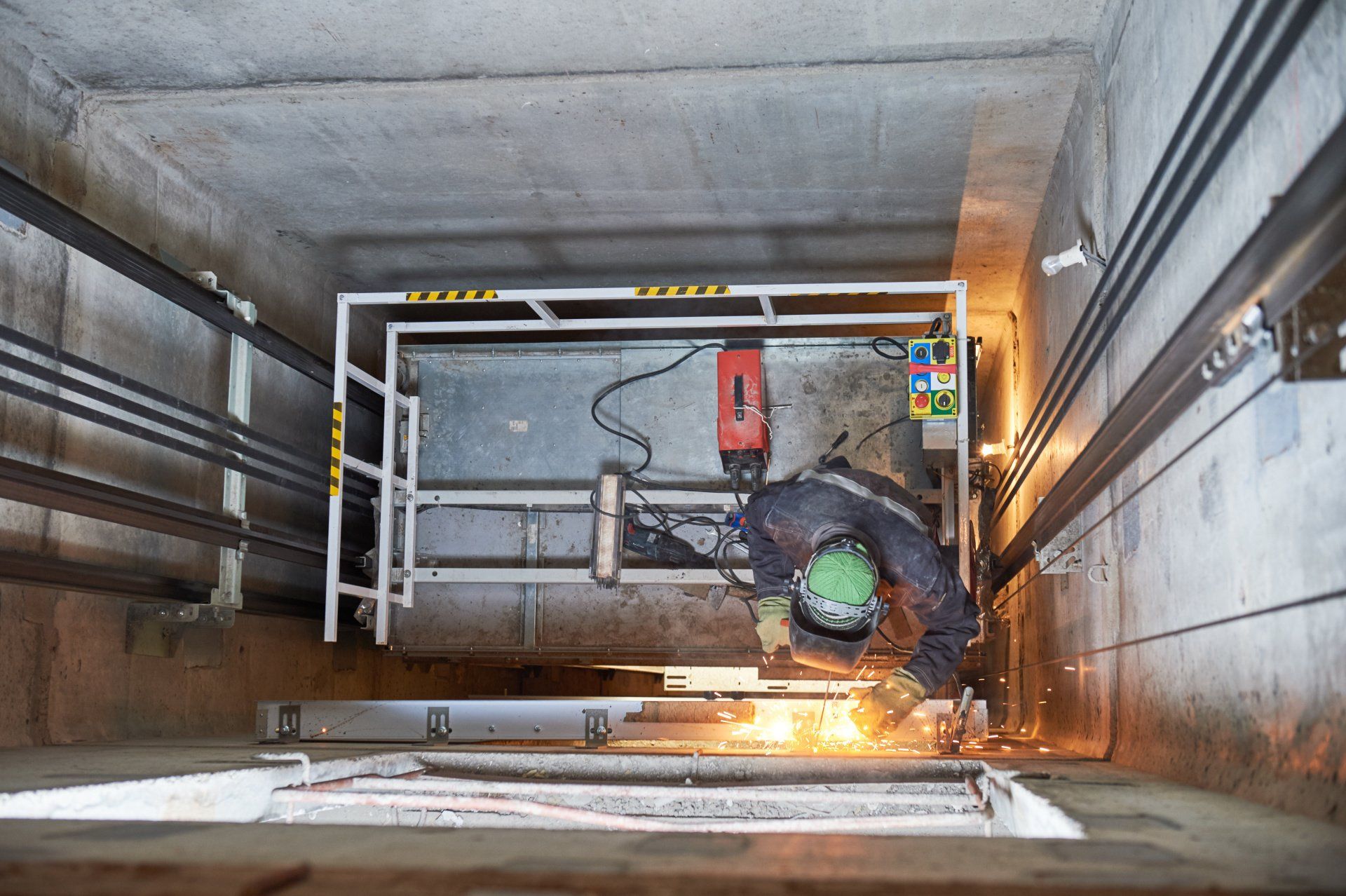
How Lift Service Contracts Save You Time, Money, and Stress If you’re responsible for a building with a lift, you already know how important it is to keep things running smoothly. But juggling repairs, scheduling maintenance, managing downtime, and staying compliant with UK regulations can quickly become overwhelming — especially if you’re doing it all reactively. This is where a lift service contract becomes an absolute game-changer. At ACE Elevators Northern, we’ve seen hundreds of clients across Yorkshire and Northern England switch from a “fix it when it breaks” approach to a planned maintenance contract — and the difference is always remarkable. If you’re wondering whether a service contract is worth it, here’s exactly how it saves you time, money, and a whole lot of stress. 1. You Avoid Costly Emergency Repairs Let’s be honest — emergency call-outs are expensive. When your lift breaks down unexpectedly, the costs stack up quickly: Emergency call-out fees Parts with priority shipping Downtime affecting staff, tenants, or customers Frustration and complaints from users A service contract drastically reduces these surprises because our engineers catch issues before they become serious. Most breakdowns aren’t sudden — they build up over time. Regular servicing keeps everything running smoothly and prevents those “sudden” failures that cost a fortune. 2. Your Lift Becomes More Reliable and Efficient Scheduled maintenance means your lift is checked regularly, lubricated, cleaned, tested, adjusted, and monitored by NVQ-qualified engineers who know exactly what to look for. This results in: Smoother, quieter travel Faster door operation Fewer stoppages Improved energy efficiency Extended equipment lifespan Many lifts run years longer when they’re properly maintained — saving thousands in early replacement costs. 3. You Stay Fully Compliant Without Having to Think About It UK lift regulations can feel like alphabet soup: LOLER, PUWER, BS EN 81, the Equality Act… With a service contract, you don’t have to worry about any of the following: When your next LOLER examination is due Whether your lift is safe to use If you’re meeting your legal duties as a building owner Whether your maintenance log is up to date Our team handles everything for you, including scheduling, reminders, and documentation. You stay compliant automatically — and avoid fines, insurance issues, or liability risks. 4. You Get Priority Response When You Need It Most Even with excellent maintenance, no lift is immune to occasional faults. But the difference between having a contract and not having one is huge. Contract clients receive: Priority call-out response Faster repairs Engineers who already know the lift’s history Reduced downtime Better access to parts In a busy building — especially care homes, schools, apartment blocks, or commercial sites — that level of priority makes a massive difference. 5. You Can Budget More Easily for the Year Ahead Instead of unpredictable repair bills, service contracts give you clear, consistent pricing. No surprises. No sudden expenses. No financial shocks. This makes it much easier to manage costs, allocate budgets, and plan ahead. If you’re responsible for facilities, this alone brings huge peace of mind. 6. Your Building Users Have a Better Experience When lifts work smoothly, people barely notice them. But when they break down… everyone notices. A service contract helps you: Reduce complaints Improve accessibility Maintain a positive reputation Provide a better environment for tenants and visitors For many buildings — particularly those with disabled or elderly residents — reliability is essential, not optional. Ready to Make Lift Maintenance Simple? Whether you run a care home, a school, an office building, an apartment block, or a retail site, having a lift service contract is one of the smartest decisions you can make. ACE Elevators Northern provides reliable, transparent, and cost-effective service contracts across Yorkshire and the North of England. Call us today on 01535 600 688 or Request Your Tailored Service Contract Quote Let’s keep your lift — and your building — running smoothly, safely, and stress-free.
November 26, 2025
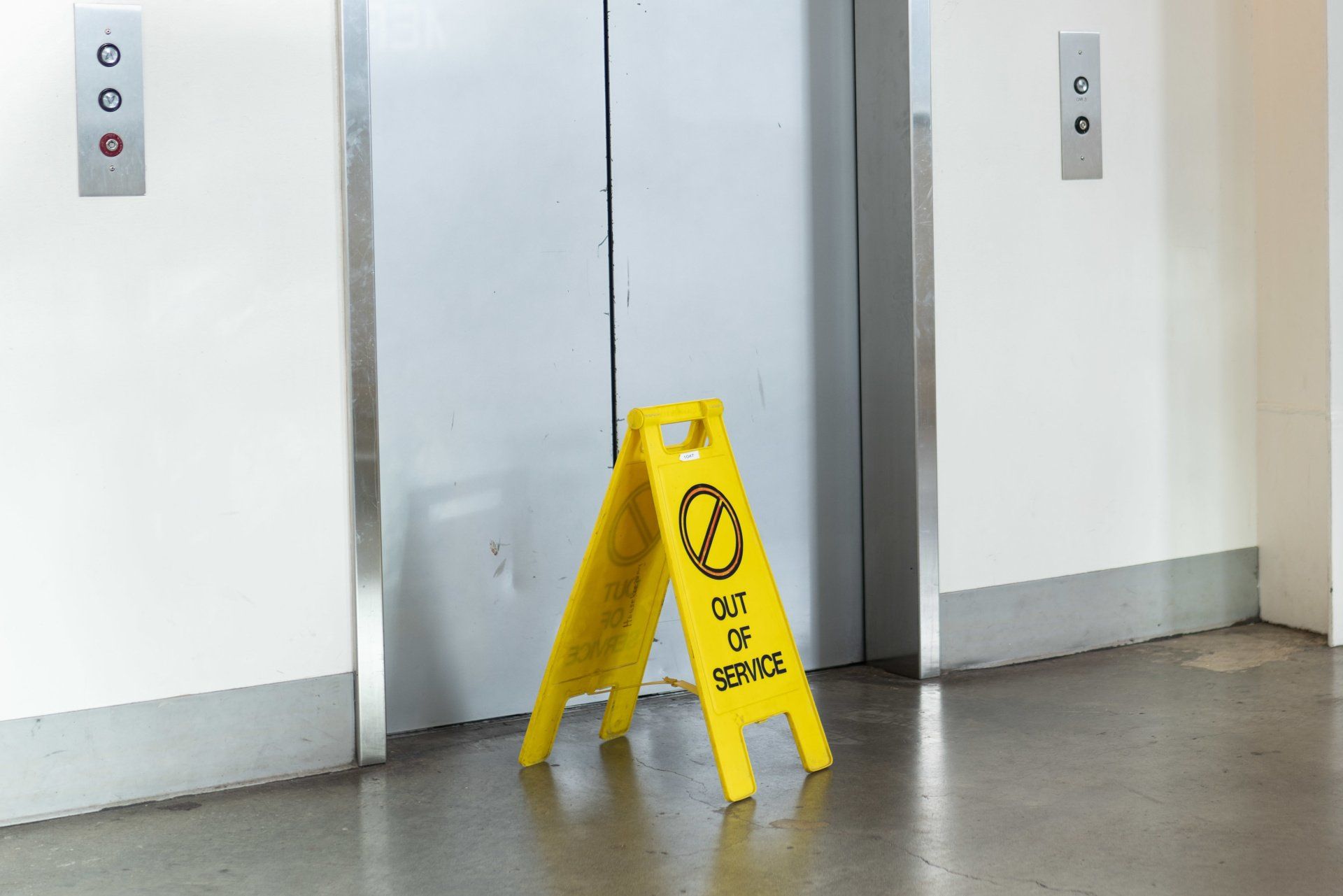
New Lift Installation vs Modernisation: Which Is the Smarter Choice for Your Building? When your lift starts slowing down, breaking down, or causing frustration for tenants, a big question comes up: “Should we install a brand-new lift, or is modernisation enough?” It's a decision almost every building owner or facilities manager faces eventually — and the right answer depends on your lift’s condition, age, usage, and future plans for the building. At ACE Elevators Northern, we help clients across Yorkshire and Northern England make this choice every week. So let’s walk through the differences, the costs, and how to know which option makes the most sense for you. When Modernisation Is the Better Choice In many cases, your lift doesn’t need to be replaced. Modernisation upgrades the major components while keeping the existing structure — giving you a “new” lift without the full installation cost. Modernisation is usually the smarter option if: Your lift is mechanically sound but outdated - Older control panels, motors, or door operators can make a lift unreliable long before the structure wears out. You want better energy efficiency - Upgrading to modern motors, LED lighting, and regenerative drives can cut energy use by up to 70%. The ride is rough, noisy, or slow - New control systems can completely transform the ride quality — smoother, quieter, and more responsive. You need to improve safety or compliance - LOLER recommendations, BS EN 81 safety upgrades, and accessibility improvements can all be addressed through modernisation. Modernisation is more affordable than a full installation, and downtime is usually shorter. Most buildings see dramatic improvements from targeted upgrades — and many lifts gain another 10–15 years of reliable operation. When Installing a Brand-New Lift Makes More Sense There are times, however, when installing a new lift is the only option that truly makes financial or operational sense. A new lift is often the right choice if: Your lift is over 25–30 years old - At this age, parts become harder to source and overall reliability drops significantly. Breakdowns are becoming frequent - If repair costs are piling up each year, a new system may be more cost-effective long term. Your lift is no longer compliant with modern safety standards - Some older lifts cannot meet BS EN 81 standards without extensive work — making replacement more practical. You need higher capacity or faster travel - A new installation allows for bigger cabins, faster speeds, and modern accessibility layouts. The building is being refurbished or extended - If you're making major changes, it’s the perfect time to install a new lift designed around your updated building. While a new lift is a bigger investment, it delivers decades of reliability, better performance, and lower running costs. Cost Comparison: Modernisation vs New Installation Costs vary depending on lift type, floors served, and building structure — but here’s a general guide: Modernisation: More cost-effective Reduced downtime Lower energy use Extends the life of the existing lift Ideal for improving reliability and compliance New Lift Installation Higher initial investment Highest performance and energy efficiency Provides a modern cabin and updated design Future-proof for 20–30 years Essential if your lift is beyond economical repair Most property owners are surprised by how cost-effective modernisation can be, especially when compared with ongoing repair bills. How to Decide: A Simple Rule of Thumb At ACE Elevators Northern, we often give clients this simple guideline: If your lift is under 20–25 years old and structurally sound → modernise it. If it’s over 25 years old, unreliable, or failing major components → consider a new installation. Of course, every lift is different — which is why a professional survey is essential. What ACE Elevators Northern Recommends We offer both modernisation and full installation services — so our advice is always based on what’s genuinely best for you. During a survey, we assess: The age and condition of your lift Breakdown history Safety compliance Energy efficiency Parts availability Your building’s layout and usage Budget and future plans Then we give you clear, honest recommendations — no pressure, no upselling, just expert guidance from engineers with more than 30 years of experience. Ready to Find Out Which Option Is Right for You? If your lift is causing problems — or you’re planning a refurbishment — now is the perfect time to explore your options. Whether it’s modernisation or a complete replacement, we’ll make sure you get the best value, performance, and long-term reliability. Call ACE Elevators Northern on 01535 600 688 or Request a Free Lift Assessment Let’s find the smartest solution for your building.
November 26, 2025
If your building has a passenger lift, you’re legally responsible for keeping it safe, compliant, and fully maintained. But understanding the regulations — LOLER, PUWER, building standards, and ongoing maintenance requirements — can quickly become overwhelming. At ACE Elevators Northern, we work with businesses, care homes, schools, housing providers, and commercial landlords across Yorkshire and Northern England, helping them stay compliant with all UK lift legislation. Whether you’re new to lift ownership or just want reassurance that everything is up to standard, this guide breaks down the key regulations in clear, simple language. Why Passenger Lift Regulations Exist Passenger lifts carry people every day — often dozens or even hundreds of times. With such frequent use, the law requires strict safety standards to protect: Lift users Your staff Vulnerable passengers (such as elderly or disabled individuals) The building owner or employer (that’s you) Lift regulations aren’t just red tape. They exist to prevent accidents, mechanical failures, and costly downtime. LOLER: The Most Important Regulation You Need to Know The Lifting Operations and Lifting Equipment Regulations 1998 (LOLER) is the primary law governing passenger lifts in the UK. Here’s what LOLER requires: 1. Thorough Examination by a “Competent Person” A passenger lift must be examined every 6 months by a qualified professional. This is separate from regular maintenance — it’s a legally required safety inspection. 2. A Written Report of the Examination The examiner must provide a full report detailing: Any defects Actions needed to fix them Timescales for repairs Whether the lift is safe to use 3. Immediate Action for Safety-Critical Issues If a serious defect is found, you must take action immediately — sometimes meaning taking the lift out of service. 4. Proper Record-Keeping You must keep LOLER reports and inspection records available for authorities or insurers. Failing to comply with LOLER can lead to fines, liability, insurance problems, or worse — accidents that put lives at risk. PUWER: Your Responsibility as a Building Owner or Employer The Provision and Use of Work Equipment Regulations (PUWER) requires lifts to be: Safe to use Properly maintained Inspected regularly Operated by trained individuals Even though lifts are mostly automatic, you still have duties under PUWER to ensure the equipment is kept in a safe condition. Regular maintenance from a qualified lift company — such as ACE Elevators Northern — helps you meet this requirement. Do You Need Both LOLER and Maintenance? Yes — They Are Not the Same A common misconception is that a LOLER examination replaces maintenance. It doesn’t. You must have both: LOLER → legal safety inspection every 6 months Maintenance → routine servicing to keep the lift in safe working order Think of LOLER as a “MOT test” and maintenance as the regular care that keeps everything running smoothly. ACE Elevators Northern offers fully tailored maintenance contracts to make this simple and cost-effective for your building. Other Regulations You Should Be Aware Of 1. The Equality Act 2010 If your building is open to the public, you must make “reasonable adjustments” for disabled users — which often includes ensuring lifts are: Accessible Reliable Appropriately sized This is especially important for schools, offices, shops, care homes, and public-facing businesses. 2. BS EN 81 Standards These British Standards cover the technical and safety requirements for lift design, installation, and operation. If your lift is old, it may no longer meet modern safety standards — meaning a modernisation could be recommended. 3. Health and Safety at Work Act As an employer or building owner, you are responsible for ensuring safe access throughout your building — including lifts. Common Compliance Mistakes (And How to Avoid Them) Skipping routine maintenance and relying only on LOLER Delaying repairs after a failed examination Using non-qualified contractors Not keeping proper service records Ignoring accessibility requirements Allowing lifts to operate while faulty All of these put you at risk — legally, financially, and reputationally. A professional service contract takes the pressure off you and keeps everything up to date. How ACE Elevators Northern Keeps You Fully Compliant With more than 30 years’ experience, our engineers provide: LOLER support and preparation Regular maintenance Rapid repairs Modernisation to BS EN 81 standards Service contracts tailored to your building DBS-checked engineers for schools and care environments CHAS-accredited safety assurance We help you meet every legal requirement — without stress or confusion. Need Help Understanding Your Obligations? We’ve Got You. If you’re unsure whether your lift is compliant, or you simply want peace of mind, we can help. ACE Elevators Northern works across Yorkshire and the North of England, supporting businesses, landlords, and organisations of all sizes. Call us on 01535 600 688
White abstract triangle logo for
October 31, 2025
Accessibility isn’t a luxury — it’s a legal and moral necessity. Whether you manage an office, a care home, a school, or a public building, ensuring that everyone can move freely and safely is part of your responsibility as an owner or manager. As we move into 2025, building regulations and equality standards continue to emphasise the importance of accessibility. And one of the best ways to achieve that is with a platform lift. But how do you know which type is right for your space? That’s where ACE Elevators Northern comes in. Why Platform Lifts Are So Important A platform lift is a simple yet powerful solution for overcoming short vertical barriers — like a few steps at an entrance, a split-level floor, or a stage area. Unlike full passenger lifts, platform lifts are compact, energy-efficient, and cost-effective, making them ideal for retrofitting into existing buildings where space or budget is limited. They’re also key to meeting the Equality Act 2010, which requires reasonable adjustments to ensure accessibility for everyone — including wheelchair users and those with limited mobility. So, if your building doesn’t yet have full step-free access, now’s the time to change that. Understanding the Different Types of Platform Lifts Not all platform lifts are created equal. The right choice depends on your building’s layout, usage, and aesthetic. Let’s break it down in plain English. Vertical Platform Lifts These operate much like a small passenger lift, travelling vertically between floors — usually up to 12 metres. They’re perfect for multi-storey buildings or mezzanine areas and can be installed indoors or outdoors. Inclined Platform Lifts If your building has a staircase but limited room for a vertical shaft, an inclined lift travels along the line of the stairs. They’re especially popular in schools, listed buildings, or heritage sites where major structural work isn’t possible. Step or Low-Rise Lifts These compact units handle small height differences — up to around a metre — and are ideal for shops, entrances, or public counters where a ramp isn’t suitable. At ACE Elevators Northern, we install and maintain all of these types across Yorkshire and the North of England, tailoring each system to the site and the people using it. Key Things to Consider Before Installation When choosing your platform lift, there are a few important factors to think about: Space and layout – Do you have enough room for a vertical lift, or would an inclined option fit better? Users – Will it be used mainly by wheelchair users, or for general mobility access? Aesthetics – Modern lifts can blend seamlessly into your décor with glass panels or custom finishes. Safety and compliance – Make sure your lift meets Machinery Directive 2006/42/EC and BS EN 81-41 standards. Maintenance and service – Regular checks keep your lift safe, smooth, and compliant long term. An experienced installer (like ACE) can help you evaluate all of this before making a decision — so you end up with a lift that’s compliant, reliable, and perfectly suited to your space. Future-Proofing Your Building for 2025 and Beyond Accessibility standards aren’t standing still. Local councils and regulatory bodies are putting more emphasis than ever on inclusive building design, particularly in public spaces, educational environments, and housing developments. By investing in a platform lift now, you’re not only ensuring compliance — you’re future-proofing your building and making it welcoming to everyone. Plus, with modern energy-efficient drive systems and smart controls, today’s lifts are quieter, cheaper to run, and easier to maintain than ever before. How ACE Elevators Northern Can Help We’ve been installing and maintaining platform lifts and mobility access solutions across Yorkshire and Northern England for over 30 years. Our friendly, qualified engineers handle everything — from initial survey and design, to installation, maintenance, and ongoing support. We work with all types of buildings, including: Care homes and schools Commercial and office spaces Residential properties Heritage and listed buildings And because every lift is different, we’ll always provide a bespoke solution that fits your budget, layout, and compliance needs. Ready to Improve Accessibility? Let’s Get Started If you’re unsure which platform lift is right for your building, we’re here to help. Our team at ACE Elevators Northern can assess your site, explain your options, and recommend the most practical, compliant solution. Call 01535 600 688 or Request a Free Quote Let’s make your building accessible, compliant, and welcoming to everyone in 2025 — and for many years to come.
Ace Elevators Northern Ltd logo: white triangle icon on a green background. Company name beneath icon.
October 31, 2025
When a lift seems to be working fine, it’s easy to push maintenance down the to-do list. After all, if it isn’t broken, why fix it — right? Unfortunately, that’s one of the biggest (and most expensive) mistakes building owners and managers make. At ACE Elevators Northern, we’ve seen first-hand how skipping routine maintenance leads to breakdowns, costly repairs, and even safety issues that could have been avoided with a quick service. Let’s talk about the real cost of neglecting lift maintenance — and why regular servicing is one of the smartest investments you can make for your building. 1. Breakdowns Don’t Just Happen — They Build Up A lift rarely fails out of the blue. Most breakdowns are the result of small issues that go unnoticed and untreated: worn cables, dirty sensors, minor electrical faults. Over time, those little things add up. What starts as a slight shudder or delay between floors can quickly become a full-scale failure — leaving tenants stranded and you with a hefty repair bill. Regular servicing from NVQ-qualified engineers means those minor problems are caught early, before they turn into emergencies. 2. The Hidden Financial Impact Neglecting maintenance doesn’t just risk safety — it drains your budget in sneaky ways: Emergency call-outs cost significantly more than scheduled services. Downtime interrupts daily operations, frustrating tenants and staff. Replacement parts for older systems can be expensive or difficult to source. Energy consumption increases as components wear down, making your lift less efficient. In many cases, we’ve seen businesses spend more on reactive repairs in one year than they would on three years of planned maintenance. 3. Safety and Legal Responsibility Under UK law — including the Lifting Operations and Lifting Equipment Regulations 1998 (LOLER) — building owners are responsible for ensuring their lifts are safe to use. That means arranging thorough examinations by a competent person at regular intervals (every 6 months for passenger lifts, 12 months for goods lifts), alongside proper servicing. If a lift fails due to neglect and someone is injured, the legal and financial consequences can be severe — from fines and liability claims to reputational damage that lasts for years. Regular maintenance isn’t just best practice; it’s a legal duty. 4. Downtime Hurts More Than You Think A lift breakdown doesn’t just cause inconvenience — it can shut down essential access. For example: In a care home, it can isolate residents. In a school, it can disrupt accessibility compliance. In a commercial building, it can slow productivity and frustrate clients. Every hour your lift is out of action affects your tenants, your reputation, and sometimes even your legal standing under accessibility laws. A proactive maintenance schedule helps ensure your lift works when it’s needed most. 5. Regular Servicing Extends Your Lift’s Life Like any piece of machinery, a well-maintained lift lasts longer and performs better. Routine servicing can easily add five to ten years to your lift’s lifespan. It also makes it easier to plan for upgrades — for instance, scheduling lift modernisation at the right time rather than waiting for an unexpected failure. At ACE Elevators Northern, our service contracts are designed to keep your equipment performing at its best while giving you full visibility of what’s been checked, repaired, and recommended for the future. 6. Peace of Mind Is Priceless When your lift is on a proper maintenance schedule, you don’t have to worry every time it makes a sound or moves a bit slower than usual. You’ll know it’s being looked after by qualified professionals who understand your system and your building. Our clients across Yorkshire and the North of England often tell us that the best part of having a service contract isn’t just fewer breakdowns — it’s the confidence that everything’s compliant and running safely. The Smarter Way to Stay Ahead: If you can’t remember when your lift was last serviced, it’s probably overdue. A quick inspection today could save you thousands down the line. At ACE Elevators Northern, we provide tailored Lift Service Contracts that keep your system safe, efficient, and compliant — without unnecessary cost. Call us on 01535 600 688 or Request a Quick Quote today to arrange your next service. Let’s keep your lifts — and your business — moving smoothly.
White abstract triangle logo for
October 31, 2025
Let’s be honest — most building owners don’t think about their lift until something goes wrong. It’s out of sight, out of mind… until it breaks down, starts moving slower, or makes a noise that wasn’t there before. If that sounds familiar, it might be time to think about lift modernisation. At ACE Elevators Northern, we help businesses and property managers across Yorkshire and the North of England upgrade old lift systems so they’re safer, smoother, and more energy efficient. So, how do you know when your lift is due for a refresh? Let’s talk about it Think of your lift like a car — it might still run, but after years of wear and tear, it just doesn’t perform like it used to. If your lift is outdated, you might notice: Slow or jerky movement between floors Noisy operation or unusual vibrations Buttons that don’t always respond Outdated interior panels or lighting Frequent breakdowns or call-outs If you’re seeing two or more of these signs, your lift could be costing you more to keep going than to upgrade. Even if it still “works fine,” older control systems and motors are often less efficient, which means you’re paying more in energy bills — and that adds up fast. Safety and Compliance — the Quiet Motivators It’s not just about comfort and speed. Regulations around lift safety have changed over the years, and older systems often don’t meet the latest standards. Modernisation doesn’t always mean a full replacement. In many cases, we can upgrade control panels, doors, or safety systems to bring your lift up to spec — without replacing the whole thing. That means you can stay LOLER-compliant, avoid downtime, and extend your lift’s life for another decade or more. The Hidden Cost of “Making Do” Many building owners hesitate to upgrade because the lift still “sort of works.” But here’s the catch: older lifts often need more frequent repairs, and replacement parts can become hard to source — or more expensive. We’ve seen situations where annual repair costs end up exceeding the price of a full modernisation within a few years. Worse still, when a lift fails completely, the disruption can be huge — tenants frustrated, staff inconvenienced, and accessibility affected. Upgrading proactively helps you avoid all that drama and keeps your building running smoothly. The Benefits of Modernising Your Lift A modernised lift isn’t just more reliable — it completely changes how people experience your building. After an upgrade, you can expect: Smoother, quieter travel Faster response times Energy-efficient operation (lower bills!) Modern aesthetics — lighting, control panels, finishes Better accessibility and safety compliance Modern lifts are smarter — many systems can self-diagnose issues before they cause a breakdown , so maintenance becomes easier and cheaper over time. What Lift Modernisation Looks Like with ACE Elevators Northern Every lift — and every building — is different. That’s why we start with a free site survey to assess your system and identify the most cost-effective upgrade path. Sometimes, it’s as simple as updating the controller or door mechanisms. Other times, it might mean a complete refurbishment to match your building’s standards. Either way, our NVQ-qualified, CHAS-accredited engineers handle the process from start to finish — minimising downtime and keeping your tenants happy. Thinking About Upgrading? Let’s Chat If you’ve been dealing with breakdowns, delays, or unhappy users, your lift is trying to tell you something. Modernising now can save you money, improve safety, and future-proof your building for years to come. ACE Elevators Northern has over 30 years of experience helping businesses across Yorkshire and Northern England transform tired old lifts into reliable, efficient systems. Call us today on 01535 600 688 or Request your free lift modernisation quote We’ll give you honest advice, a clear plan, and a lift that feels brand new — without the price tag of a full replacement.
White abstract triangle logo for
October 31, 2025
If you manage or own a building with a lift, you already know how essential it is to keep it running smoothly and safely. But one question we’re often asked is: “How often should a lift be serviced?” The short answer: at least twice a year — though usage, lift type, and regulations can mean more frequent checks. In this guide, ACE Elevators Northern explains exactly how often you should service your lift, what’s required by law, and how proper maintenance keeps your building compliant and your passengers safe. Why Regular Lift Servicing Matters A lift is one of the most used — and most relied-upon — pieces of equipment in any building. Regular servicing prevents: Unexpected breakdowns and downtime Safety hazards for passengers Expensive emergency repairs Non-compliance with UK safety regulations By scheduling consistent maintenance with an experienced, accredited company like ACE Elevators Northern, you protect your investment and the people who rely on it daily. How Often Should a Lift Be Serviced? The recommended service frequency depends on several key factors: 1. Lift Usage High-traffic buildings (offices, hospitals, care homes, shopping centres): every 1–3 months Moderate use (apartments, hotels): every 3–6 months Low-use lifts (private or small business): at least twice a year 2. Type of Lift Passenger lifts require more frequent checks due to safety demands. Goods-only lifts may be serviced less often, but still require annual LOLER inspections. Platform and wheelchair lifts benefit from routine servicing to maintain accessibility reliability. 3. Manufacturer Guidelines Each lift model has its own recommended maintenance schedule, which your service provider should follow. 4. UK Legal Requirements (LOLER & PUWER) Under the Lifting Operations and Lifting Equipment Regulations 1998 (LOLER): Passenger lifts → thoroughly examined every 6 months Goods-only lifts → thoroughly examined every 12 months The Provision and Use of Work Equipment Regulations 1998 (PUWER) also require lifts to be kept in safe working order through regular inspection and maintenance. Tip: Regular servicing is not the same as a LOLER examination — but both are essential for full compliance. What’s Included in a Professional Lift Service When you book a lift service with ACE Elevators Northern, our NVQ-qualified engineers carry out a comprehensive inspection that includes: Checking door operation, sensors, and controls Testing safety systems and alarms Inspecting ropes, pulleys, hydraulics, and bearings Verifying electrical systems and emergency functions Lubricating and cleaning key components Making adjustments for smoother, quieter performance Our engineers are DBS-checked and CHAS-accredited, ensuring professional standards across every visit. The Cost-Saving Benefits of Regular Servicing Routine maintenance is far more cost-effective than reactive repairs. Here’s why: Prevents major faults before they happen Extends the lifespan of your lift Reduces downtime and disruption Improves energy efficiency through smoother operation Helps budget planning with predictable service costs Over time, scheduled servicing saves thousands in emergency call-outs and unplanned part replacements. Tailored Lift Service Contracts Across Northern England At ACE Elevators Northern, we provide flexible Lift Service Contracts designed to suit your property type, usage, and budget. Whether you manage one platform lift or a portfolio of passenger lifts, we’ll create a plan that keeps you compliant and your lifts reliable all year round. Our experienced engineers cover Yorkshire and the wider North of England, including: Leeds | Bradford | Sheffield | York | Huddersfield | Harrogate Is Your Lift Due for a Service? If you’re unsure when your last service took place, it’s best to get it checked as soon as possible. A quick inspection today can prevent a costly breakdown tomorrow. Book Your Next Lift Service with ACE Elevators Northern ✔ Over 30 years of experience ✔ NVQ-qualified, DBS-checked engineers ✔ CHAS-accredited company ✔ Fast response across Yorkshire and the North Call 01535 600 688 or Request a Quick Quote today.
White abstract triangle logo for
September 9, 2024
When installing a new lift, it’s crucial to consider several key features that will ensure the system is efficient, safe, and tailored to the specific needs of the building. Selecting the right lift is an investment that will influence the building’s functionality and user experience for years to come. Here are the top five features that customers should prioritise when choosing a new lift. One of the most important factors to consider is energy efficiency. In today’s world, where sustainability is increasingly prioritised, an energy-efficient lift can have long-term financial and environmental benefits. Modern lifts come with energy-saving technology such as regenerative drives, LED lighting, and smart control systems that optimise the use of power. Regenerative drives, for example, can convert excess energy produced during lift operation into electricity, which is then fed back into the building’s power system. This not only reduces the lift’s energy consumption but can also help lower overall utility costs. Opting for an energy-efficient lift ensures that the building remains eco-friendly while saving money in the long run. Next, consider safety standards. Safety is a non-negotiable feature in any lift installation, and modern lifts are equipped with advanced safety mechanisms that ensure the well-being of users. Features such as emergency communication systems, automatic braking, and door sensors that detect obstructions are essential for safe operation. Additionally, lifts should meet all local safety regulations and industry standards. Choosing a lift with the latest safety technology provides peace of mind, knowing that the lift can handle emergencies and protect its passengers. It’s also important to ensure that the lift is regularly maintained to keep all safety features in working order, preventing potential malfunctions or hazards. Another key feature to consider is customisation options. Every building has its own aesthetic and functional needs, and a lift should be able to complement these aspects. Customisation options allow building owners to tailor the lift’s design, from the interior finishes to the control panel layout. For example, a luxury hotel might choose elegant materials like stainless steel or glass for the lift’s interior, while an office building might opt for a more practical and durable design. Additionally, there are options for customising the lift’s size, capacity, and door configurations to suit the building’s space and user requirements. Customisation ensures that the lift integrates seamlessly with the building’s architecture and enhances the overall experience for its users. Space considerations are also crucial when installing a new lift. The available space in a building will largely determine the type of lift that can be installed. In older buildings, space might be limited, so a compact or machine-room-less (MRL) lift could be the best option. MRL lifts are designed to maximise space efficiency, as they do not require a separate machine room, freeing up valuable floor area for other uses. On the other hand, larger buildings may have more flexibility in terms of lift size and capacity. Ensuring that the lift fits well within the building’s existing layout without compromising on performance is essential for smooth integration and functionality.  Finally, technology and smart features should be considered when selecting a new lift. Modern lifts are equipped with smart technology that enhances performance, user experience, and maintenance. For example, destination control systems allow users to input their floor destination before entering the lift, optimising the travel route and reducing waiting times. Some lifts can also be integrated with building management systems, providing real-time data on performance, energy usage, and maintenance needs. This data can help building managers monitor the lift’s operation and schedule maintenance more effectively, preventing breakdowns and ensuring smooth operation. Smart features not only improve the lift’s efficiency but also enhance user convenience and overall building management. In conclusion, selecting a new lift requires careful consideration of several essential features, including energy efficiency, safety standards, customisation options, space constraints, and modern technology. Each of these factors plays a significant role in ensuring that the lift meets the building’s needs while providing long-term benefits in terms of performance, cost savings, and user satisfaction. By prioritising these features, building owners can make an informed decision and choose a lift that will serve their property and its occupants well for many years.
White abstract triangle logo for
September 9, 2024
Emergency lift repairs can be stressful and disruptive, but knowing what to expect and how to be prepared can significantly minimise inconvenience. Whether it's a sudden breakdown or a malfunction that affects safety, understanding the repair process and response times will help customers feel more in control and reduce the overall impact of such events.  When a lift breaks down unexpectedly, the first thing to expect is an immediate response from a technician. Reputable lift repair services, such as ACE Elevators, typically offer 24/7 emergency support to ensure that a technician is dispatched as quickly as possible. This fast response is crucial, particularly in high-traffic commercial buildings where a non-functioning lift can create major disruptions. Depending on the location and availability, response times may vary, but having a service contract with a reliable repair company will usually guarantee priority attention, reducing the waiting period for emergency repairs. Knowing that a repair service is available around the clock can provide peace of mind, especially in emergencies where people may be trapped inside the lift or access to upper floors is compromised. Once the technician arrives, the next phase is the diagnosis of the issue. Modern lifts are equipped with advanced control systems that can provide diagnostic codes, helping the technician quickly identify the cause of the malfunction. This step is essential because not all lift breakdowns are the same. Some issues may be relatively minor, such as a door sensor failure, while others may involve more complex mechanical or electrical components. In many cases, the technician will be able to perform a temporary repair on-site to restore functionality and ensure the safety of the lift. However, more extensive issues, such as motor or cable failures, may require ordering parts and scheduling a follow-up repair, which can extend the downtime. In such cases, the technician will inform the building manager of the situation and provide an estimated timeline for the full repair. During this process, it’s essential for building managers to stay informed and communicate with their lift service provider. Effective communication with the technician can ensure that the repair process is as smooth as possible. Knowing the estimated repair time and any safety protocols in place will help building managers plan accordingly, such as arranging alternative access routes or notifying tenants of the issue. Keeping occupants informed about the status of the repair can help manage expectations and reduce frustration. One of the key factors that can minimise the inconvenience of emergency lift repairs is being prepared in advance. This involves more than just having a reliable repair service on standby. First, building managers should ensure that all staff are trained in emergency procedures, particularly on what to do if someone becomes trapped inside the lift. Most modern lifts are equipped with an emergency call button that connects to a monitoring centre, allowing the trapped individual to communicate directly with rescue services. In case of a breakdown, knowing how to use this system and reassuring the trapped person that help is on the way is critical. Additionally, it’s helpful to have regular maintenance checks carried out on the lift, as this can prevent many emergency situations from occurring in the first place. Lifts that are regularly maintained are far less likely to break down unexpectedly, as any potential issues can be spotted and addressed early. Maintenance contracts with a trusted lift service provider like ACE Elevators often include regular safety inspections and preventative maintenance, which can greatly reduce the risk of emergency breakdowns. A well-maintained lift is not only safer but also more reliable, meaning fewer disruptions for building occupants. In cases where the lift is completely out of service for an extended period, building managers should also consider alternative accessibility options. For instance, ensuring that stairways are accessible and well-maintained can provide a temporary solution, though this may not be ideal for all users, particularly those with mobility issues. In such cases, having a plan in place, such as offering temporary assistance for those who cannot use the stairs, can help minimise inconvenience. Working with a reliable repair service is perhaps the most critical factor in handling emergency lift repairs efficiently. A well-established company with a proven track record of fast response times, skilled technicians, and quality service ensures that any emergency situation is dealt with promptly and professionally. When selecting a lift service provider, it’s important to choose one that offers comprehensive support, including emergency repairs, routine maintenance, and the availability of spare parts. Companies that specialise in lift systems, like ACE Elevators, understand the complexities involved in emergency situations and have the resources to minimise downtime, ultimately saving building managers time and stress. In conclusion, while lift emergencies are unpredictable, being prepared and knowing what to expect can make the situation much more manageable. By having a reliable repair service, staying informed during the repair process, and ensuring that regular maintenance is performed, building managers can greatly reduce the inconvenience of lift breakdowns. Most importantly, quick response times and expert repairs ensure that lifts are back in service as soon as possible, keeping building occupants safe and the building’s operations running smoothly.
Ace Elevators Northern Ltd logo: white triangle icon on a green background. Company name beneath icon.
September 9, 2024
Lifts are an essential part of many buildings, providing ease of access for tenants, employees, and visitors alike. However, like any mechanical system, lifts do not last forever in their original state. Over time, they become outdated, both in terms of technology and performance. Modernising a lift can significantly enhance its efficiency, safety, and reliability, but the key is knowing when it’s the right time to consider an upgrade. Here are some clear signs that indicate your lift may need modernisation.  One of the first signs to look out for is slow performance. If you or your building’s occupants are noticing that the lift is taking longer than usual to respond to calls or reach its destination, it may be a sign of outdated systems. Modern lifts are designed for efficiency, providing smooth and rapid service, which is essential in high-traffic buildings like offices or residential towers. A slow lift not only causes frustration but also hampers the overall flow of movement within the building. If users are spending excessive time waiting, it’s a clear indication that the lift’s control systems and motors may be outdated and struggling to cope with the demands of modern-day usage. Frequent breakdowns are another major sign that your lift may be in need of modernisation. Occasional issues are normal, but if repairs are becoming increasingly frequent and expensive, it’s a sign that your lift’s components are wearing out. Over time, mechanical parts such as motors, pulleys, and cables naturally degrade, especially in older lifts that haven’t been upgraded. The cost of repeatedly repairing these parts can quickly add up, making modernisation a more cost-effective solution. By upgrading to newer, more reliable systems, you can avoid the frustration of constant breakdowns and the financial burden of ongoing repairs. Another critical factor to consider is outdated safety features. Lift safety standards have evolved significantly over the years, and what was once considered state-of-the-art may now fall short of modern requirements. For example, older lifts may lack advanced safety features such as emergency communication systems, automatic doors, or seismic detection technologies. Additionally, modern lifts are equipped with better fire safety mechanisms and improved accessibility features for people with disabilities. If your lift doesn’t meet current safety standards or is lacking these crucial updates, it’s time to consider modernisation. Ensuring your lift is safe for all users is a responsibility that should never be taken lightly, and modernisation offers an opportunity to bring your system up to par with today’s rigorous safety expectations. Increased energy consumption is another clear indicator that your lift may be due for an upgrade. Older lift systems often consume more electricity than their modern counterparts, leading to higher energy bills. Modernisation allows for the installation of energy-efficient motors, LED lighting, and advanced control systems that can significantly reduce power usage. Over time, these upgrades can lead to substantial savings on energy costs, making modernisation not only a safer and more reliable option but also an environmentally conscious and cost-effective one. Beyond technical issues, user dissatisfaction can be a strong indicator that your lift needs modernisation. In today’s world, where technology plays a central role in our daily lives, people expect a certain level of comfort and convenience. If building users are frequently complaining about the lift’s performance, appearance, or overall reliability, it’s a sign that the lift may no longer be meeting their needs. Modernising your lift can dramatically improve the user experience, with smoother rides, faster response times, and more aesthetically pleasing designs. Upgrading can also include customisable options to match the design and atmosphere of your building, adding to its overall appeal. It’s also important to consider modernisation if spare parts are becoming difficult to source. As lift systems age, manufacturers may discontinue parts for older models, making repairs more difficult and expensive. If your technician is struggling to find replacement components or if you’re experiencing longer repair times due to part shortages, it’s a clear indication that modernisation should be on your radar. Upgrading to a more current system ensures that parts will be readily available in the future, reducing downtime and keeping your lift operating smoothly. Finally, compliance with building regulations is another crucial reason to consider modernising your lift. As technology advances, so do regulatory standards, and your lift must adhere to these evolving requirements. Failure to comply with safety and performance regulations can result in fines, insurance issues, and legal liabilities. Regular inspections may highlight areas where your lift is no longer compliant, and modernisation can address these shortcomings, ensuring that your lift meets all current legal and safety requirements. In conclusion, modernising your lift is not just about keeping up with the latest technology—it’s about ensuring the safety, reliability, and efficiency of your building’s vertical transportation. Signs such as slow performance, frequent breakdowns, outdated safety features, high energy consumption, and user dissatisfaction all point to the need for an upgrade. By proactively addressing these issues, you can prevent costly repairs, improve user satisfaction, and ensure that your lift is operating at peak efficiency for years to come.