Power Cut and the Lift Stopped Working? What to Do and How Engineers Restore Service
Power Cut and the Lift Stopped Working? What to Do and How Engineers Restore Service
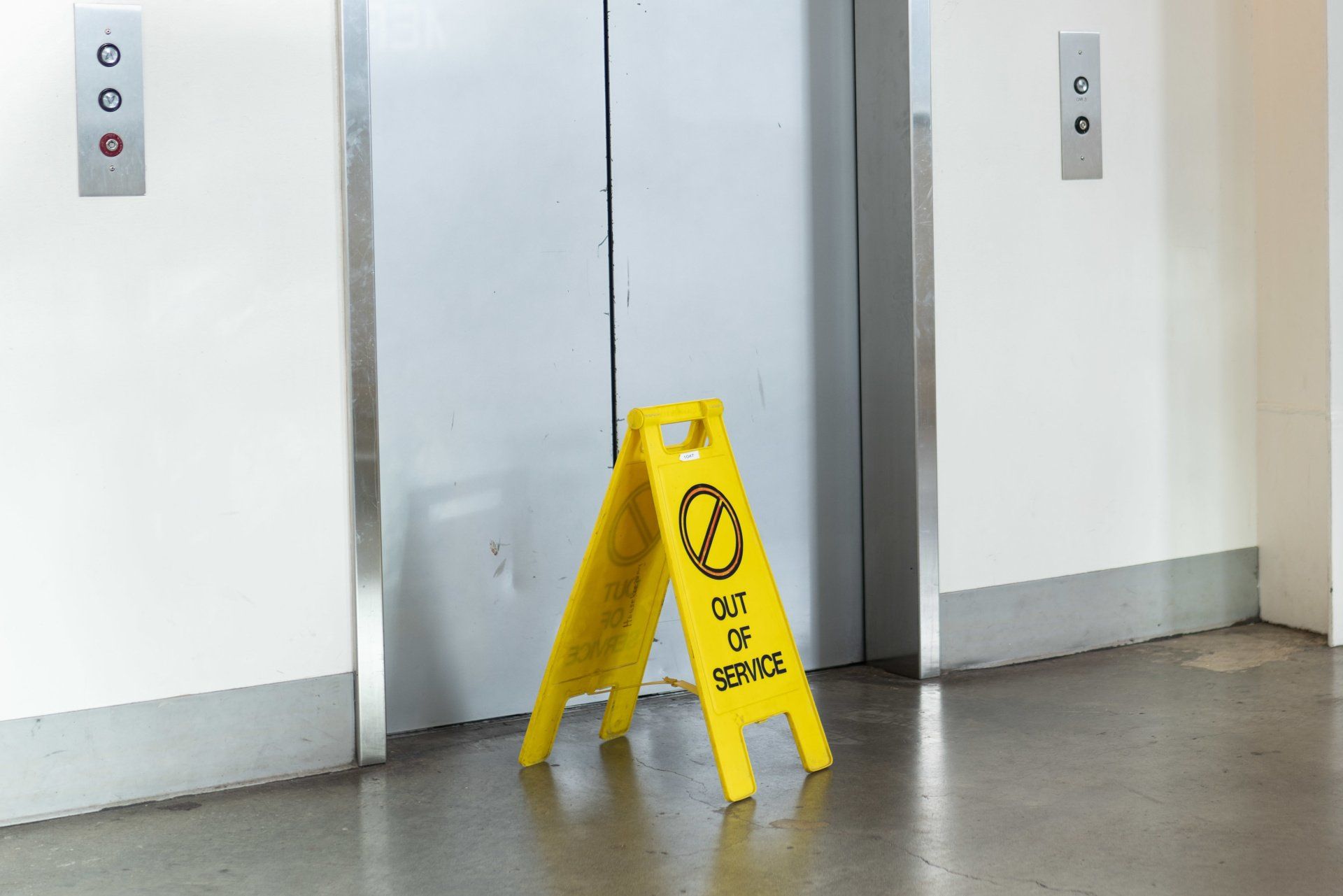
If there’s been a power cut and your lift has stopped working, it can cause immediate disruption — especially in busy buildings where people rely on lifts every day. Even a short loss of power can leave a lift out of service long after electricity has been restored, which often leads people to wonder whether something has gone wrong.
This situation is very common across the UK, particularly during winter storms and periods of bad weather. In many cases, the lift has done exactly what it was designed to do: shut down safely to protect passengers.
In this guide, we’ll explain why lifts often stop working after power cuts, what you can safely check, and when a lift engineer is needed to get everything running again.
Why Power Cuts Affect Lifts
Lifts are sensitive, safety-critical systems that rely on a stable power supply. When a power cut occurs — even briefly — the lift’s control system may shut down to prevent unsafe operation. This is especially true if the power supply drops suddenly or returns unevenly.
During storms or network issues, power can flicker on and off several times. These fluctuations can trigger lift safety circuits or cause control systems to lock out. While the electricity may come back quickly, the lift often stays out of service until it has been properly checked and reset.
Why the Lift Doesn’t Restart When the Power Comes Back
A common assumption is that once the power returns, the lift should automatically start working again. In reality, many lifts are designed not to restart without inspection.
After a power cut, the lift system may not know its exact position, or it may detect irregularities in door locks, brakes, or control signals. To avoid risk, the lift remains shut down until a qualified engineer confirms that everything is operating correctly.
In some cases, a power cut can also expose existing wear or faults — such as ageing components, electrical connections, or control boards — which only become apparent when the system is interrupted.
What You Can Safely Do After a Power Cut
If your lift has stopped working following a power cut, there are a few sensible steps you can take. First, confirm that the power has fully returned to the building and that no circuits are still tripped. If your building has a management system, check for any fault messages or alerts related to the lift.
You may also want to confirm whether the issue affects all lifts or just one. This can help identify whether the problem is related to the building’s power supply or the lift itself.
It’s important not to try to force the lift back into service. Opening panels, resetting systems, or attempting to move the lift manually can be dangerous and may cause further damage.
When You Should Call a Lift Engineer
If the lift remains out of service after power has been restored, professional support is usually required. This is especially important if the lift won’t respond, doors won’t open, or the lift has stopped between floors.
Repeated shutdowns after power interruptions are another sign that an underlying issue may be developing. In these situations, an engineer can identify the root cause and prevent further failures.
Calling an engineer promptly helps ensure the lift is restored safely and reduces the risk of repeat breakdowns.
How Lift Engineers Restore Service After Power Cuts
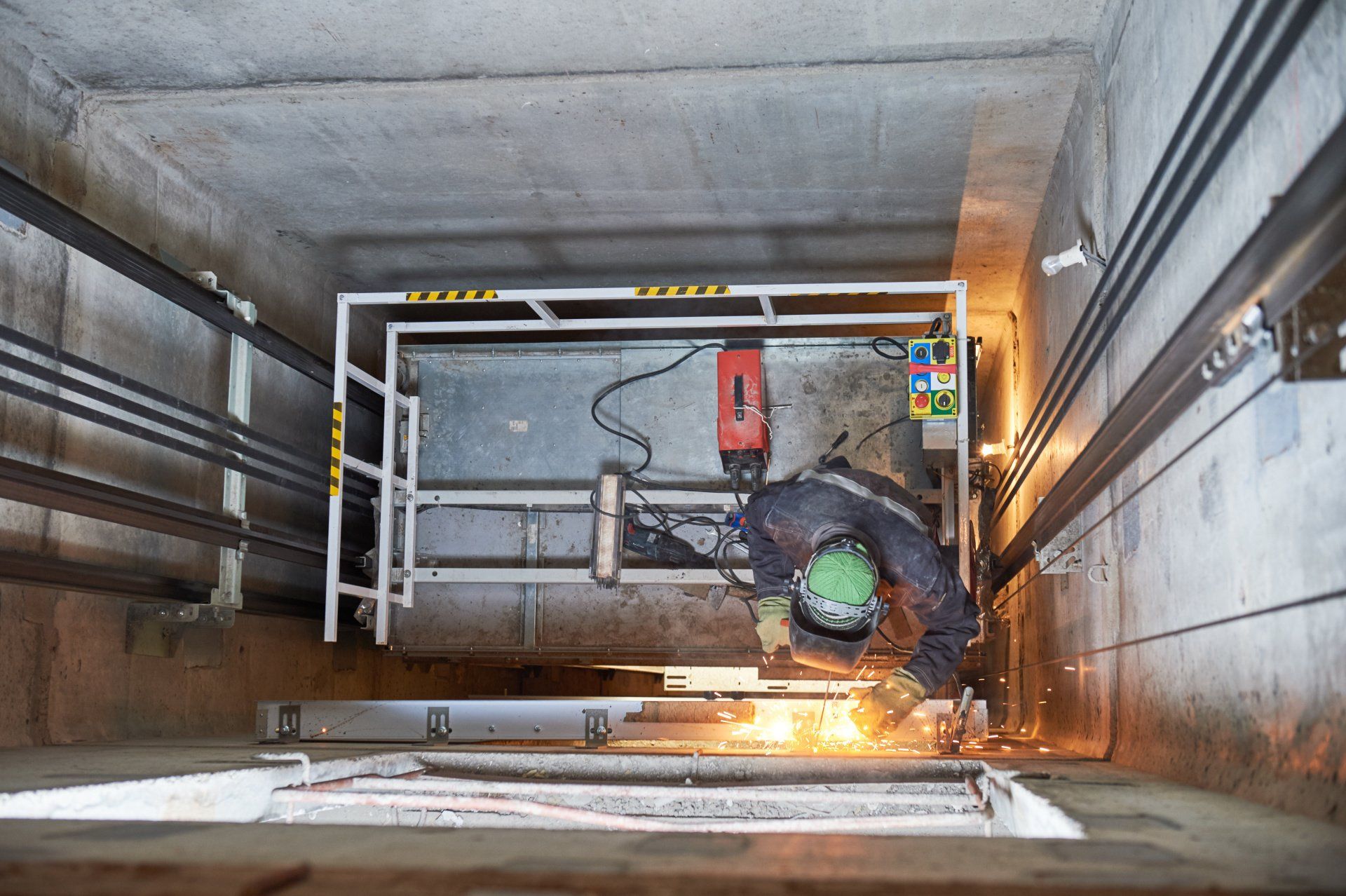
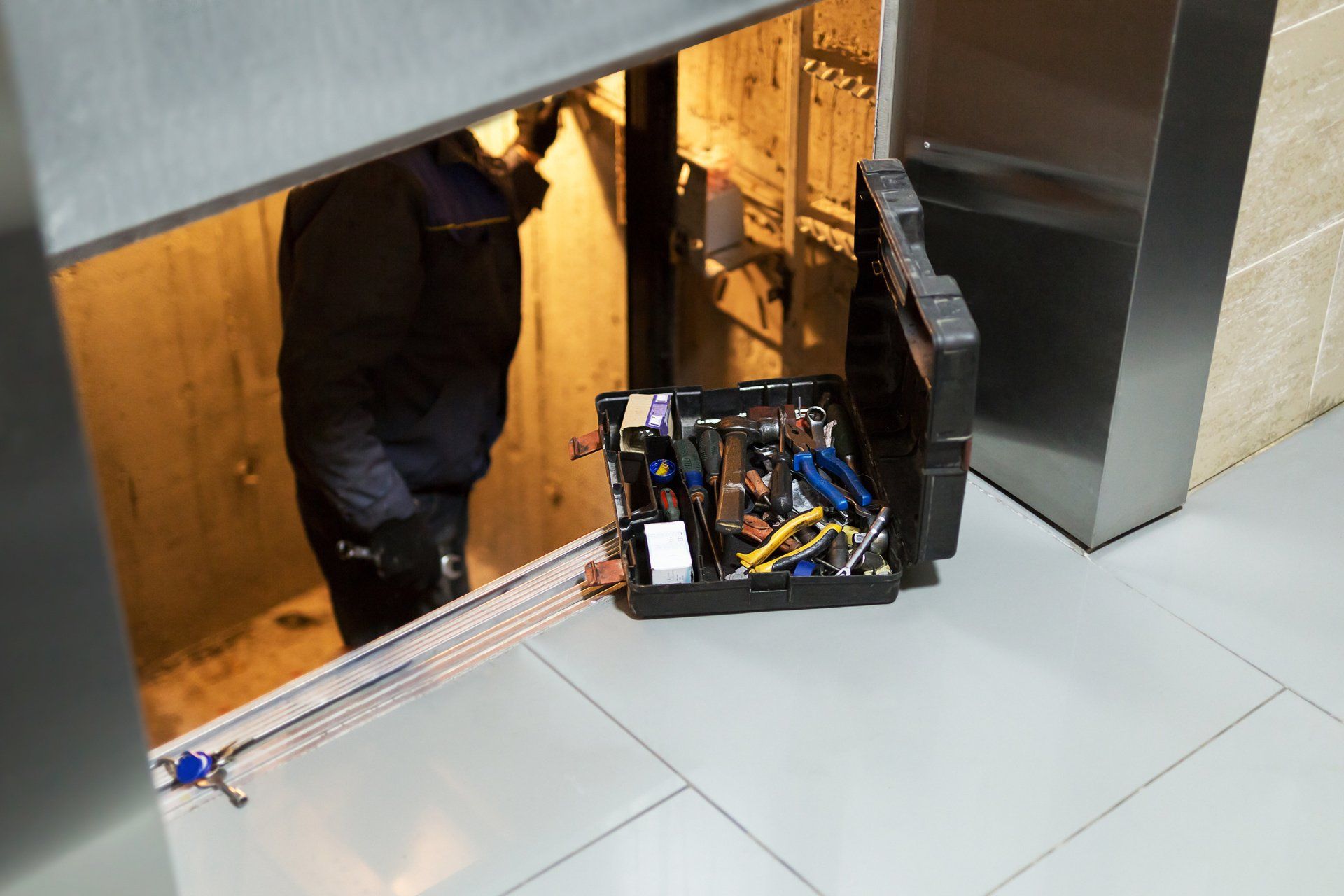
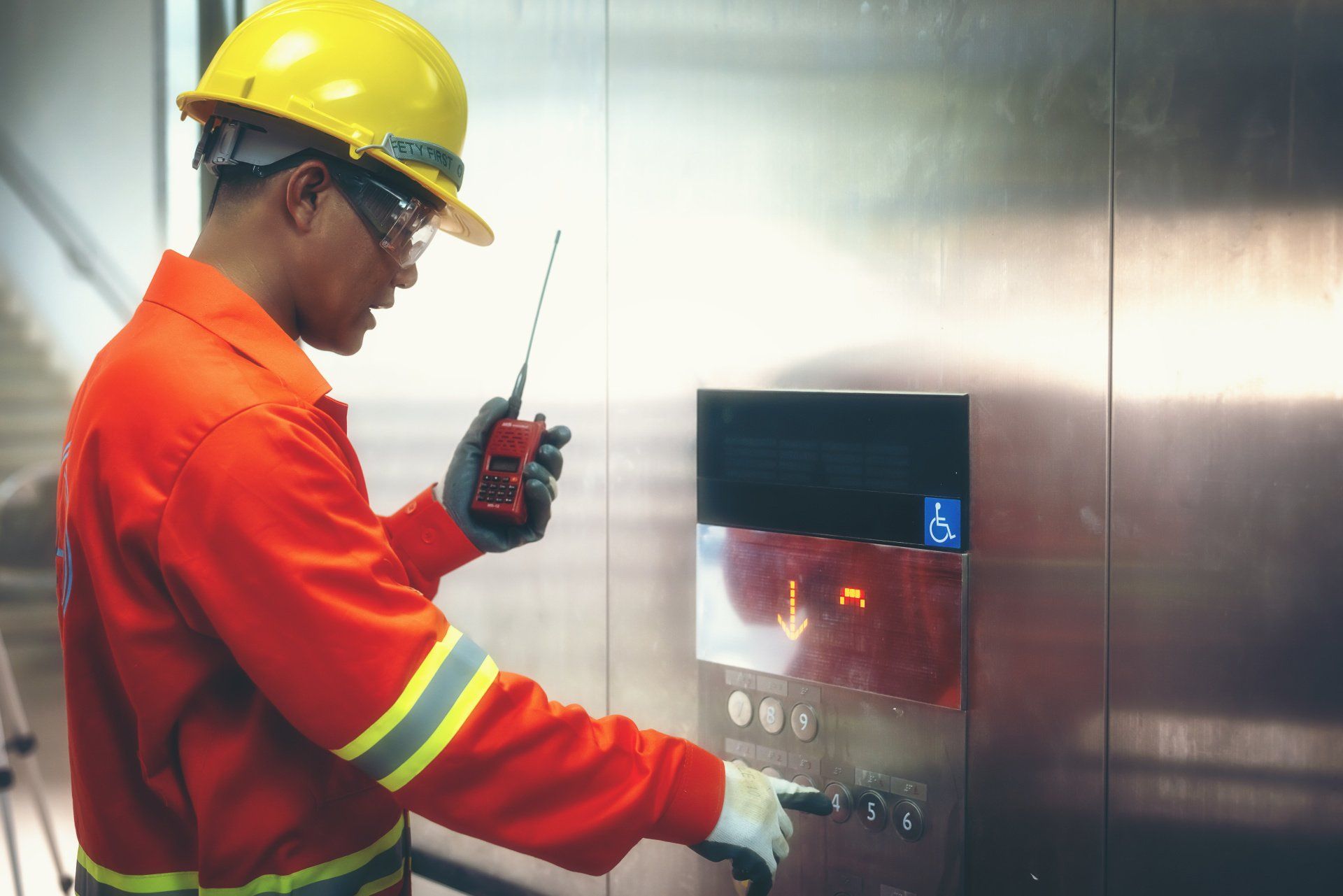
When a lift engineer attends a power cut-related issue, they carry out a series of checks to ensure the system is safe to operate. This typically includes inspecting the control system, checking safety circuits, confirming door operation, and verifying that the lift knows its correct position.
Once these checks are complete, the engineer will test the lift under normal conditions before returning it to service. This careful process ensures reliability and protects passengers.
Reducing the Risk of Power Cut Lift Failures
While power cuts can’t always be prevented, regular lift maintenance can reduce their impact. Servicing helps ensure electrical components, control systems and safety devices are in good condition and able to recover correctly after interruptions.
Buildings with planned maintenance often experience fewer extended shutdowns following power issues, saving time and reducing disruption.
Need Help After a Power Cut Has Stopped Your Lift?
If a power cut has caused your lift to stop working, professional support can help get things moving again quickly and safely. These situations require experience, proper testing, and a strong focus on compliance.
ACE Elevators Northern provides reliable lift repair and maintenance services across the North of England. Their engineers regularly attend power-related lift shutdowns, diagnosing issues efficiently and restoring safe operation with minimal disruption.
If your lift hasn’t restarted after a power cut, getting expert help early can prevent further problems and keep your building running smoothly.ice.