Why Lifts Keep Going Out of Service and What Can Be Done to Improve Reliability

Lift Stuck Between Floors? What to Do Immediately and How Engineers Resolve It

A lift stuck between floors is one of the most alarming lift problems people experience. Whether it happens in an office block, apartment building, hospital or shopping centre, it can cause anxiety for passengers and urgent concern for building managers.


The good news is that modern lifts are designed with multiple safety systems, and a lift stopping between floors is usually a controlled safety response, not a sign of imminent danger. Knowing what to do — and what not to do — is essential.


In this guide, we explain why lifts get stuck between floors, what passengers and building managers should do immediately, and how lift engineers safely resolve the situation.


Why Lifts Stop Between Floors

Lifts rarely stop between floors without a reason. When this happens, the system has usually detected something that could affect safe operation and has shut down as a precaution.


Common causes include sudden power interruptions, door lock faults, sensor issues, or control system errors. Even something as simple as a brief voltage drop can cause the lift to stop if the system is unsure of its exact position.


In colder months, wear on components combined with higher usage can also increase the likelihood of these types of stoppages.


What Passengers Should Do If a Lift Is Stuck

If you’re inside a lift that has stopped between floors, the most important thing to do is stay calm. Lifts are designed to hold safely in place, and there is no risk of them falling.


Passengers should use the emergency alarm or intercom to contact building management or a monitoring service. Sitting or standing still inside the lift is safer than trying to move around.


It’s vital not to try to force the doors open or attempt to exit the lift without professional assistance. Even if the doors appear close to a floor, opening them without control can be extremely dangerous.


What Building Managers Can Do Immediately

For building managers or staff, the priority is communication and safety. Confirm that help is on the way and reassure anyone inside the lift that the situation is being handled.


Check whether the issue is isolated to one lift or affects multiple lifts in the building. This information can help engineers diagnose the cause more quickly when they arrive.


What’s important is avoiding the temptation to reset or interfere with the lift system. Modern lifts require trained engineers to carry out safe resets and inspections.


When to Call a Lift Engineer

Any lift stuck between floors requires professional attention. Even if passengers have been released safely, the lift should not return to service until it has been properly inspected.


Repeated incidents, slow movement, unusual noises, or door problems before the stoppage can all indicate underlying issues that need addressing. Prompt callouts help prevent repeat incidents and reduce the risk of further disruption.


How Engineers Safely Resolve a Lift Stuck Between Floors

When a lift engineer attends a lift stuck between floors, their first priority is passenger safety. They carefully assess the lift’s position, control system status, and safety circuits before releasing anyone inside.


Once passengers are safe, the engineer will identify why the lift stopped. This may involve checking door locks, sensors, brakes, and control systems, as well as verifying that the lift knows its correct position.


After repairs or resets are completed, the lift is thoroughly tested to ensure it operates correctly before being returned to service.


Preventing Future Incidents

Regular lift maintenance plays a major role in reducing the risk of lifts stopping between floors. Servicing helps identify worn components, electrical issues, and sensor faults before they lead to breakdowns.


Buildings with planned preventative maintenance typically experience fewer emergency callouts and less disruption, particularly during busy or colder periods.


Need Help With a Lift Stuck Between Floors?

If your lift has stopped between floors, it’s important to use experienced professionals who understand both safety and compliance requirements.


ACE Elevators Northern provides reliable lift repair and emergency support across the North of England. Their qualified engineers respond quickly to lift stoppages, safely release passengers, diagnose faults, and restore lifts to full operation with minimal disruption.


If a lift in your building is stuck between floors, getting expert help quickly helps protect passengers, reduce downtime, and prevent repeat issues.
By marcellmedia February 3, 2026
Introduction Few lift problems are as frustrating as a lift that shuts down without warning. One moment it’s working as expected, and the next it’s out of service, often with no clear explanation. For building managers and occupants alike, this kind of unpredictable behaviour can quickly erode confidence in the equipment. These shutdowns are more common than many people realise, particularly towards the end of winter, when lifts have already been under sustained use. While the lift may restart after a reset, repeated incidents are usually a sign that something needs closer attention. In this article, we explain why lifts shut down unexpectedly , what these shutdowns often indicate, and how ongoing disruption can be reduced. Why Lifts Shut Down Without Any Obvious Cause Modern lifts are designed to stop operating when something doesn’t look right. This doesn’t always mean there has been a major failure — often it’s a protective response triggered by irregular signals or inconsistent performance. A lift may shut down if it detects a problem with door operation, sensors, electrical signals, or internal safety circuits. Even if the issue only occurs briefly, the system will prioritise safety and take the lift out of service. Because these shutdowns don’t always leave visible signs behind, they can feel random or unexplained, which makes them particularly difficult to manage. Common Issues Behind Unexpected Shutdowns One common cause is intermittent electrical issues . Small fluctuations in power, ageing connections, or components nearing the end of their lifespan can cause the lift’s control system to receive inconsistent signals. When this happens, the lift shuts down as a precaution. Door systems are another frequent factor. Doors that don’t close consistently or sensors that behave unpredictably can trigger shutdowns even if the lift appears to be functioning normally most of the time. In some cases, general wear and tear plays a role. Lifts that have seen years of regular use may still operate, but not as reliably as they once did. These underlying issues often reveal themselves through unexpected stoppages. Why These Shutdowns Should Be Taken Seriously A lift that shuts down without warning isn’t just inconvenient — it’s disruptive. Repeated downtime can affect accessibility, frustrate occupants, and lead to increased callouts and costs. More importantly, unpredictable behaviour often signals that the lift is no longer performing consistently. While resetting the system may get it running again temporarily, the same issue is likely to return if the root cause isn’t addressed. Ignoring these signs can lead to more frequent shutdowns over time and, eventually, more serious failures. How Ongoing Shutdowns Can Be Prevented Preventing unexpected shutdowns starts with understanding why they are happening. Identifying patterns — such as when shutdowns occur, how often they happen, or whether they follow heavy usage — can provide valuable insight. Targeted repairs can resolve specific issues, such as unreliable door operation or electrical irregularities. In other cases, improving maintenance focus on high-risk components can significantly reduce the likelihood of shutdowns. For lifts that experience repeated problems, planned improvements or upgrades may be the most effective long-term solution. Addressing ageing components or systems that struggle with modern usage can restore reliability and reduce disruption. When It’s Time to Plan Improvements If a lift continues to shut down without warning, it’s often a sign that reactive fixes alone aren’t enough. At this stage, reviewing maintenance quality or considering targeted upgrades can provide better results than ongoing resets and callouts. Planning improvements allows work to be scheduled sensibly, minimises disruption, and helps extend the working life of the lift. Getting Support to Improve Lift Reliability Unexpected lift shutdowns are rarely resolved by chance. They usually require careful diagnosis, experience, and a focus on long-term performance rather than quick fixes. ACE Elevators (Northern) supports building owners and managers across the North of England by addressing the causes of unpredictable lift shutdowns. Through targeted repairs, maintenance improvements, and planned upgrades, their engineers help reduce downtime and restore confidence in lift reliability. If your lift is shutting down without warning, taking a proactive approach now can prevent further disruption and help ensure your equipment performs consistently moving forward.
By marcellmedia February 3, 2026
Failing Doors on Elevators If your lift doors work sometimes but not others, it can be one of the most frustrating problems to deal with. One moment the lift is operating normally, and the next it refuses to open or close properly — often without any obvious reason. Intermittent lift door issues are extremely common, particularly after periods of heavy use or colder, damp weather. While the lift may still appear usable, these on-and-off problems are often an early warning sign of a deeper issue. In this article, we explain why lift doors fail intermittently, what usually causes the problem, and how it can be fixed before it leads to repeated downtime. Why Intermittent Door Faults Are So Common Lift doors are one of the most frequently used parts of any lift system. Every journey relies on them opening and closing smoothly, safely, and in the correct sequence. Because of this constant use, even small issues can start to show up as irregular faults. Unlike a complete failure, intermittent door problems don’t happen every time. This makes them harder to diagnose and easy to dismiss — until the lift starts shutting down more often. Common Causes of Doors Failing Intermittently One of the most frequent causes is sensor interference . Door sensors are designed to detect people or objects and prevent the doors from closing on them. Dust, dirt, moisture, or even changes in light conditions can interfere with these sensors, causing the doors to hesitate or reverse unexpectedly. Wear and tear also plays a major role. Rollers, tracks, and guides can become worn or misaligned over time. When this happens, doors may stick slightly, move unevenly, or fail to close smoothly every time. Even minor resistance can trigger the lift’s safety systems. Electrical signals can also be a factor. Loose connections or ageing components may cause inconsistent communication between the door system and the lift controller. This can result in doors behaving unpredictably, even though the lift appears fine most of the time. Why These Issues Shouldn’t Be Ignored Intermittent door faults rarely fix themselves. In fact, they often get worse over time. What starts as an occasional delay can develop into frequent shutdowns, with the lift being taken out of service as a safety precaution. These problems can also cause inconvenience and concern for lift users. Doors that don’t respond properly can lead to complaints, accessibility issues, and increased callouts — all of which add cost and disruption. Addressing the issue early is usually far simpler and more cost-effective than waiting for a complete failure. How Intermittent Door Problems Are Diagnosed Because these faults don’t happen consistently, diagnosing them requires experience and careful inspection . Engineers will often look for signs of wear, contamination, or misalignment, as well as checking sensors and electrical connections.  Testing the lift under normal operating conditions is key. By understanding how the doors behave over multiple journeys, it becomes easier to identify what’s causing the irregular behaviour. Preventing Repeat Door Problems Once the underlying cause has been identified, targeted repairs or adjustments can significantly improve reliability. This might involve cleaning or realigning components, replacing worn parts, or adjusting settings to ensure the doors respond correctly every time. Regular maintenance also plays an important role. Lifts that are serviced with a focus on door performance tend to experience fewer shutdowns and less unexpected downtime. When to Seek Professional Support If lift doors are failing intermittently, it’s a good idea to get professional support before the problem escalates. Experienced engineers can identify early signs of failure and prevent repeat issues that lead to lifts being taken out of service. ACE Elevators (Northern) supports buildings across the North of England by diagnosing and resolving intermittent lift door problems. By focusing on the root cause rather than quick resets, they help improve reliability, reduce downtime, and keep lifts operating smoothly for everyday use. If your lift doors are behaving unpredictably, addressing the issue early can save time, reduce disruption, and prevent more serious faults later on.
By marcellmedia February 3, 2026
Introduction If your lift keeps going out of service, you’re not alone. This is one of the most common frustrations for building managers, landlords, and facilities teams across the UK — particularly towards the end of winter, when lifts have already been under months of heavy use. While a lift going out of service once can be bad luck, repeated shutdowns are usually a sign that something deeper is going on. Understanding why this keeps happening is the first step towards improving reliability and reducing disruption. What “Out of Service” Really Means When a lift is marked as out of service, it doesn’t always mean there has been a major breakdown. In many cases, the lift has shut itself down because a safety system has detected something that doesn’t look right. This could be a door that hasn’t closed properly, a sensor that isn’t responding consistently, or an electrical signal that falls outside normal limits. Modern lifts are designed to err on the side of caution, so even small irregularities can cause a shutdown. The problem is that when these issues happen repeatedly, the lift can spend more time out of service than in use. Common Reasons Lifts Keep Going Out of Service: One of the most common causes is intermittent faults. These are issues that don’t happen all the time, which makes them harder to diagnose. A lift might work perfectly for days, then suddenly shut down without warning. Door-related issues are a frequent culprit. Doors that fail to close smoothly every time, sensors that are affected by dirt or moisture, or worn rollers can all cause the lift to stop as a safety precaution. Electrical issues are another common factor. Power fluctuations, ageing components, or loose connections can trigger shutdowns even when there hasn’t been a full power cut. Over time, general wear and tear also plays a role. Components that are approaching the end of their working life may still function — just not reliably. This leads to repeated stoppages that feel unpredictable and frustrating. Why Repeated Shutdowns Are a Bigger Problem Than They Seem A lift that keeps going out of service doesn’t just cause inconvenience. It can lead to complaints from occupants, accessibility issues, lost time for staff, and increased costs from repeated callouts. In many cases, quick fixes address the symptom rather than the cause. The lift is reset, put back into service, and then shuts down again days or weeks later. Over time, this cycle becomes expensive and disruptive. Repeated downtime is often a sign that the lift needs a more targeted approach, rather than another temporary repair. How Reliability Can Be Improved Improving lift reliability usually starts with identifying patterns. If a lift goes out of service regularly, understanding when and how it happens can reveal the underlying issue. Targeted repairs can resolve specific faults that cause shutdowns, such as unreliable door operation or intermittent electrical signals. In other cases, maintenance adjustments may be needed to focus on components that are wearing faster than expected. For older or heavily used lifts, planned improvements or upgrades can make a significant difference. Updating key components, improving door systems, or addressing control issues can dramatically reduce the number of shutdowns and improve day-to-day performance. The goal isn’t just to get the lift running again — it’s to keep it running consistently. When It’s Time to Look Beyond Reactive Repairs If a lift is going out of service repeatedly, it’s often a sign that reactive repairs alone aren’t enough. At this stage, looking at maintenance quality, component condition, and long-term reliability becomes far more effective than continuing with one-off fixes. Addressing the root cause early can prevent further downtime, reduce disruption, and extend the life of the lift. Getting Professional Support to Improve Lift Reliability When lifts keep going out of service, experienced support can make a real difference. Engineers who take the time to diagnose recurring issues, rather than simply resetting the system, are far more likely to deliver lasting improvements. ACE Elevators (Northern) works with building owners and managers across the North of England to address recurring lift problems and improve long-term reliability. By identifying the underlying causes of repeated shutdowns and recommending targeted repairs, maintenance changes, or upgrades, they help reduce downtime and keep lifts operating safely and consistently. If your lift keeps going out of service, taking a more proactive approach now can save time, cost, and frustration in the long run.
By Sharon Keevins January 7, 2026
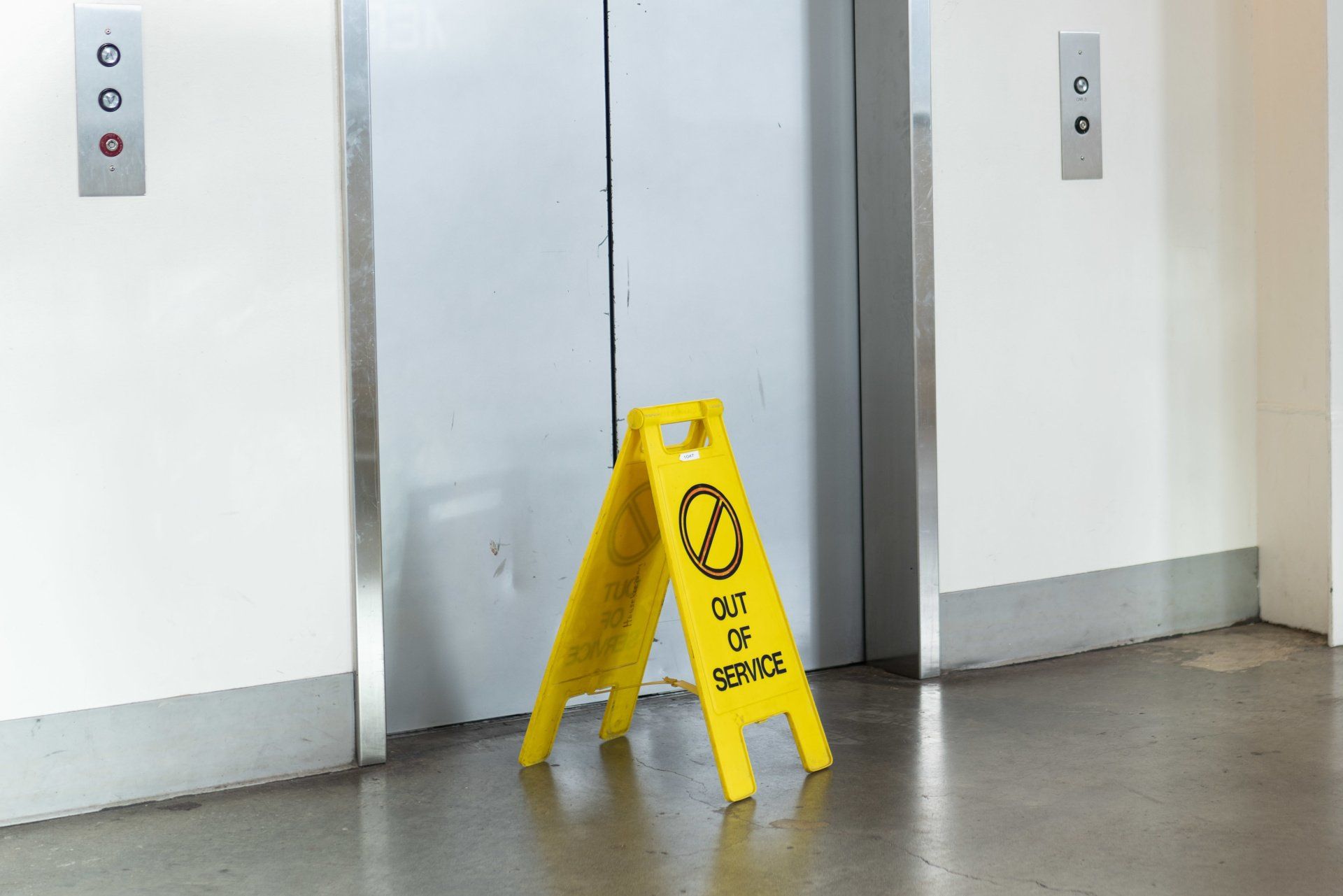
Lift Stuck Between Floors? What to Do Immediately and How Engineers Resolve It A lift stuck between floors is one of the most alarming lift problems people experience. Whether it happens in an office block, apartment building, hospital or shopping centre, it can cause anxiety for passengers and urgent concern for building managers. The good news is that modern lifts are designed with multiple safety systems, and a lift stopping between floors is usually a controlled safety response, not a sign of imminent danger. Knowing what to do — and what not to do — is essential. In this guide, we explain why lifts get stuck between floors, what passengers and building managers should do immediately, and how lift engineers safely resolve the situation. Why Lifts Stop Between Floors Lifts rarely stop between floors without a reason. When this happens, the system has usually detected something that could affect safe operation and has shut down as a precaution. Common causes include sudden power interruptions, door lock faults, sensor issues, or control system errors. Even something as simple as a brief voltage drop can cause the lift to stop if the system is unsure of its exact position. In colder months, wear on components combined with higher usage can also increase the likelihood of these types of stoppages. What Passengers Should Do If a Lift Is Stuck If you’re inside a lift that has stopped between floors, the most important thing to do is stay calm. Lifts are designed to hold safely in place, and there is no risk of them falling. Passengers should use the emergency alarm or intercom to contact building management or a monitoring service. Sitting or standing still inside the lift is safer than trying to move around. It’s vital not to try to force the doors open or attempt to exit the lift without professional assistance. Even if the doors appear close to a floor, opening them without control can be extremely dangerous. What Building Managers Can Do Immediately For building managers or staff, the priority is communication and safety . Confirm that help is on the way and reassure anyone inside the lift that the situation is being handled. Check whether the issue is isolated to one lift or affects multiple lifts in the building . This information can help engineers diagnose the cause more quickly when they arrive. What’s important is avoiding the temptation to reset or interfere with the lift system. Modern lifts require trained engineers to carry out safe resets and inspections. When to Call a Lift Engineer Any lift stuck between floors requires professional attention . Even if passengers have been released safely, the lift should not return to service until it has been properly inspected. Repeated incidents, slow movement, unusual noises, or door problems before the stoppage can all indicate underlying issues that need addressing. Prompt callouts help prevent repeat incidents and reduce the risk of further disruption. How Engineers Safely Resolve a Lift Stuck Between Floors When a lift engineer attends a lift stuck between floors, their first priority is passenger safety . They carefully assess the lift’s position, control system status, and safety circuits before releasing anyone inside. Once passengers are safe, the engineer will identify why the lift stopped. This may involve checking door locks, sensors, brakes, and control systems, as well as verifying that the lift knows its correct position. After repairs or resets are completed, the lift is thoroughly tested to ensure it operates correctly before being returned to service. Preventing Future Incidents Regular lift maintenance plays a major role in reducing the risk of lifts stopping between floors. Servicing helps identify worn components, electrical issues, and sensor faults before they lead to breakdowns. Buildings with planned preventative maintenance typically experience fewer emergency callouts and less disruption, particularly during busy or colder periods. Need Help With a Lift Stuck Between Floors? If your lift has stopped between floors, it’s important to use experienced professionals who understand both safety and compliance requirements. ACE Elevators Northern provides reliable lift repair and emergency support across the North of England. Their qualified engineers respond quickly to lift stoppages, safely release passengers, diagnose faults, and restore lifts to full operation with minimal disruption. If a lift in your building is stuck between floors, getting expert help quickly helps protect passengers, reduce downtime, and prevent repeat issues.
By Sharon Keevins January 7, 2026
Power Cut and the Lift Stopped Working? What to Do and How Engineers Restore Service If there’s been a power cut and your lift has stopped working, it can cause immediate disruption — especially in busy buildings where people rely on lifts every day. Even a short loss of power can leave a lift out of service long after electricity has been restored, which often leads people to wonder whether something has gone wrong. This situation is very common across the UK, particularly during winter storms and periods of bad weather. In many cases, the lift has done exactly what it was designed to do: shut down safely to protect passengers. In this guide, we’ll explain why lifts often stop working after power cuts, what you can safely check, and when a lift engineer is needed to get everything running again. Why Power Cuts Affect Lifts Lifts are sensitive, safety-critical systems that rely on a stable power supply. When a power cut occurs — even briefly — the lift’s control system may shut down to prevent unsafe operation. This is especially true if the power supply drops suddenly or returns unevenly. During storms or network issues, power can flicker on and off several times. These fluctuations can trigger lift safety circuits or cause control systems to lock out. While the electricity may come back quickly, the lift often stays out of service until it has been properly checked and reset. Why the Lift Doesn’t Restart When the Power Comes Back A common assumption is that once the power returns, the lift should automatically start working again. In reality, many lifts are designed not to restart without inspection. After a power cut, the lift system may not know its exact position, or it may detect irregularities in door locks, brakes, or control signals. To avoid risk, the lift remains shut down until a qualified engineer confirms that everything is operating correctly. In some cases, a power cut can also expose existing wear or faults — such as ageing components, electrical connections, or control boards — which only become apparent when the system is interrupted. What You Can Safely Do After a Power Cut If your lift has stopped working following a power cut, there are a few sensible steps you can take. First, confirm that the power has fully returned to the building and that no circuits are still tripped. If your building has a management system, check for any fault messages or alerts related to the lift. You may also want to confirm whether the issue affects all lifts or just one. This can help identify whether the problem is related to the building’s power supply or the lift itself. It’s important not to try to force the lift back into service. Opening panels, resetting systems, or attempting to move the lift manually can be dangerous and may cause further damage. When You Should Call a Lift Engineer If the lift remains out of service after power has been restored, professional support is usually required. This is especially important if the lift won’t respond, doors won’t open, or the lift has stopped between floors. Repeated shutdowns after power interruptions are another sign that an underlying issue may be developing. In these situations, an engineer can identify the root cause and prevent further failures. Calling an engineer promptly helps ensure the lift is restored safely and reduces the risk of repeat breakdowns. How Lift Engineers Restore Service After Power Cuts When a lift engineer attends a power cut-related issue, they carry out a series of checks to ensure the system is safe to operate. This typically includes inspecting the control system, checking safety circuits, confirming door operation, and verifying that the lift knows its correct position. Once these checks are complete, the engineer will test the lift under normal conditions before returning it to service. This careful process ensures reliability and protects passengers. Reducing the Risk of Power Cut Lift Failures While power cuts can’t always be prevented, regular lift maintenance can reduce their impact. Servicing helps ensure electrical components, control systems and safety devices are in good condition and able to recover correctly after interruptions. Buildings with planned maintenance often experience fewer extended shutdowns following power issues, saving time and reducing disruption. Need Help After a Power Cut Has Stopped Your Lift? If a power cut has caused your lift to stop working, professional support can help get things moving again quickly and safely. These situations require experience, proper testing, and a strong focus on compliance. ACE Elevators Northern provides reliable lift repair and maintenance services across the North of England. Their engineers regularly attend power-related lift shutdowns, diagnosing issues efficiently and restoring safe operation with minimal disruption. If your lift hasn’t restarted after a power cut, getting expert help early can prevent further problems and keep your building running smoothly. ice.
By Sharon Keevins January 7, 2026
Lift Not Working After a Fire Alarm? What to Do and When to Call an Engineer  If your lift isn’t working after a fire alarm, it can be worrying and frustrating — especially if people rely on that lift every day. This situation is more common than most building owners or managers realise, and in many cases, it happens even when there’s been no real fire at all. Across the UK, lifts regularly shut down following fire alarms in offices, apartment buildings, schools, hospitals and care homes. While it can feel like something has gone wrong, this type of shutdown is usually part of the lift’s built-in safety system, not a fault in itself. In this guide, we’ll explain why lifts stop working after fire alarms, what you can safely do, and when it’s time to call a lift engineer to restore service. Why Lifts Stop Working After Fire Alarms Lifts are designed to prioritise passenger safety above everything else. When a fire alarm is triggered, the lift system receives a signal to carry out a safety response. This is required under UK regulations and is intended to prevent people from being trapped or travelling in a lift during an emergency. In most buildings, this response means the lift will travel to a designated floor, open its doors, and then shut down. In some cases, it may stop operating completely until it has been checked and reset . Even after the alarm has stopped sounding, the lift may remain out of service — and this is often where confusion starts. Why the Lift Doesn’t Restart Once the Alarm Clears One of the most common questions people ask is, “If the alarm was false, why won’t the lift just start again?” The answer lies in how lift safety systems are designed. Many lifts require a manual reset by a qualified engineer after a fire alarm event. This is to confirm that the system is safe before allowing passengers back inside. It’s not a fault — it’s a safeguard. False alarms can also play a role. These often occur due to dust, steam, condensation, or cold air, particularly in winter. Even routine fire alarm testing can cause the lift to shut down. While the alarm may be cleared quickly, the lift still treats the event as a potential risk until it has been properly checked. Power interruptions are another common cause. Fire alarms are sometimes triggered during storms or power fluctuations, and even a brief loss of power can trip lift safety circuits. When this happens, the lift won’t restart on its own. In some cases, a fire alarm can also expose an underlying issue that was already developing — such as a worn door lock, a sensor problem, or a control system fault. The lift shuts down correctly to prevent unsafe operation. What You Can Safely Do Before Calling an Engineer If the lift isn’t working after a fire alarm, there are a few sensible checks you can make without putting anyone at risk. First, confirm that the fire alarm has fully reset and that there are no ongoing alerts in the building. If you have access to building management systems, check for any fault messages related to the lift. It’s also worth seeing whether the issue affects just one lift or multiple lifts in the building. This can help identify whether the problem is localised or system-wide. What’s important is knowing what not to do. Forcing doors open, attempting to access lift panels, or trying to reset the system without proper training can be dangerous and may make the problem worse. Lifts are safety-critical systems, and improper interference can lead to injury or further shutdowns. When You Should Call a Lift Engineer If the lift remains out of service after the fire alarm has cleared, it’s time to involve a professional. This is especially important if the lift shows fault messages, doors won’t open or close properly, or the lift has stopped between floors. Repeated shutdowns following alarms are another clear sign that something needs attention. In many buildings, lifts cannot legally return to service after a fire alarm without an engineer confirming that everything is working safely and correctly. Calling an engineer promptly helps minimise disruption and ensures the lift is restored in a compliant and controlled way. How Lift Engineers Restore Lifts After Fire Alarms When a lift engineer attends a fire alarm-related shutdown, they don’t simply “switch it back on”. The process involves checking communication between the fire alarm system and the lift, resetting safety circuits correctly, and inspecting key components such as door locks and sensors. The engineer will then test the lift under normal operating conditions to make sure it responds properly before handing it back into service. This careful approach helps prevent repeat shutdowns and ensures passengers can use the lift safely. How to Reduce Future Fire Alarm Lift Shutdowns While not every shutdown can be avoided, regular lift maintenance can significantly reduce unnecessary downtime . Planned servicing helps identify components that are more likely to trigger lockouts after alarms, especially during colder months. Better coordination between fire alarm testing and lift servicing also helps. When systems are maintained together, issues are spotted earlier and resolved before they cause disruption. Need Help With a Lift Not Working After a Fire Alarm? If your lift isn’t working after a fire alarm and you need it safely back in service, professional support makes all the difference. These situations often require experience, proper testing, and a clear understanding of safety and compliance. ACE Elevators Northern provides reliable lift repair and support services across the North of England. Their engineers regularly deal with fire alarm-related shutdowns, false activations, and power-related issues, helping buildings restore lift service quickly and safely. If your lift has shut down and won’t restart, getting expert help early can reduce downtime, avoid repeat issues, and keep everyone moving safely.
By Sharon Keevins January 7, 2026
If your lift doors are not opening, it can quickly turn from an inconvenience into a serious problem — especially in busy buildings such as offices, flats, care homes or schools. Door faults are one of the most common lift breakdown reasons in the UK, particularly during colder, wetter months. In this guide, we explain why lift doors stop opening, what you can safely check, and when it’s time to call a professional lift engineer. Why Lift Doors Fail to Open Lift doors are designed with multiple safety systems, so even a small issue can cause the lift to shut down as a precaution. The most common causes include: 1. Sensor or Light Curtain Problems Modern lifts use door sensors or light curtains to detect people or objects. Dirt, dust, moisture, or condensation can interfere with these sensors, making the lift think something is blocking the doors — even when nothing is there. Common signs: Doors start to open, then close again Lift won’t move once doors close Repeated door cycling 2. Cold Weather and Stiff Components In winter, cold and damp conditions can affect door rollers, tracks and lubricants. When components stiffen or seize, the lift may not be able to open the doors fully and will shut down for safety reasons. This is one of the main reasons January sees a spike in lift door callouts across the UK. 3. Door Lock or Interlock Faults Lift doors are fitted with safety locks that must engage correctly before the lift will operate. If a lock becomes worn, misaligned or damaged, the system prevents the doors from opening to avoid unsafe operation. 4. Electrical or Control Issues Power fluctuations, blown fuses or control board faults can stop door motors from responding. This is common after storms or local power interruptions. What You Can Safely Check Before Calling an Engineer: If the lift doors won’t open, there are a few safe checks you can make: Check if anything is physically blocking the doors Look for visible dirt or debris around the door edges See if a reset has already been attempted by building management Check if the issue affects all floors or just one ⚠️ Do not attempt to force the doors open or interfere with lift mechanisms. This can be dangerous and may make the fault worse. When You Should Call a Lift Engineer Immediately You should arrange a professional callout if: The lift doors won’t open at multiple floors People are trapped inside the lift The lift repeatedly shuts down The issue follows a power cut or fire alarm activation The fault keeps returning Door faults often indicate underlying wear or safety issues that require proper diagnosis and repair. How Lift Engineers Fix Door Opening Problems A qualified lift engineer will typically: Inspect and test door sensors and safety circuits Clean and realign tracks, rollers and guides Check door motors and control signals Replace worn or damaged door locks Reset and test the lift under safe operating conditions Fixing the root cause helps prevent repeat breakdowns and improves long-term reliability. Preventing Future Door Faults Regular lift maintenance is the best way to avoid door problems. Planned servicing helps to: Keep sensors clean and correctly aligned Identify worn components early Prevent cold-weather failures Reduce emergency callouts and downtime Buildings with preventative maintenance plans experience far fewer door-related breakdowns, particularly during winter. Need Help With Lift Doors Not Opening? If your lift doors are not opening and you need a reliable, professional repair, it’s important to use experienced engineers who understand both safety systems and real-world building demands. ACE Elevators Northern provides responsive lift repair and maintenance services across the North of England. Their qualified engineers diagnose door faults quickly, carry out safe, compliant repairs, and help prevent repeat issues through ongoing maintenance support. If your lift has stopped working or doors won’t open, getting expert help early can save time, money and disruption.
By Sharon Keevins November 26, 2025
How Lift Service Contracts Save You Time, Money, and Stress If you’re responsible for a building with a lift, you already know how important it is to keep things running smoothly. But juggling repairs, scheduling maintenance, managing downtime, and staying compliant with UK regulations can quickly become overwhelming — especially if you’re doing it all reactively. This is where a lift service contract becomes an absolute game-changer. At ACE Elevators Northern, we’ve seen hundreds of clients across Yorkshire and Northern England switch from a “fix it when it breaks” approach to a planned maintenance contract — and the difference is always remarkable. If you’re wondering whether a service contract is worth it, here’s exactly how it saves you time, money, and a whole lot of stress. 1. You Avoid Costly Emergency Repairs Let’s be honest — emergency call-outs are expensive. When your lift breaks down unexpectedly, the costs stack up quickly: Emergency call-out fees Parts with priority shipping Downtime affecting staff, tenants, or customers Frustration and complaints from users A service contract drastically reduces these surprises because our engineers catch issues before they become serious. Most breakdowns aren’t sudden — they build up over time. Regular servicing keeps everything running smoothly and prevents those “sudden” failures that cost a fortune. 2. Your Lift Becomes More Reliable and Efficient Scheduled maintenance means your lift is checked regularly, lubricated, cleaned, tested, adjusted, and monitored by NVQ-qualified engineers who know exactly what to look for. This results in: Smoother, quieter travel Faster door operation Fewer stoppages Improved energy efficiency Extended equipment lifespan Many lifts run years longer when they’re properly maintained — saving thousands in early replacement costs. 3. You Stay Fully Compliant Without Having to Think About It UK lift regulations can feel like alphabet soup: LOLER, PUWER, BS EN 81, the Equality Act… With a service contract, you don’t have to worry about any of the following: When your next LOLER examination is due Whether your lift is safe to use If you’re meeting your legal duties as a building owner Whether your maintenance log is up to date Our team handles everything for you, including scheduling, reminders, and documentation. You stay compliant automatically — and avoid fines, insurance issues, or liability risks. 4. You Get Priority Response When You Need It Most Even with excellent maintenance, no lift is immune to occasional faults. But the difference between having a contract and not having one is huge. Contract clients receive: Priority call-out response Faster repairs Engineers who already know the lift’s history Reduced downtime Better access to parts In a busy building — especially care homes, schools, apartment blocks, or commercial sites — that level of priority makes a massive difference. 5. You Can Budget More Easily for the Year Ahead Instead of unpredictable repair bills, service contracts give you clear, consistent pricing. No surprises. No sudden expenses. No financial shocks. This makes it much easier to manage costs, allocate budgets, and plan ahead. If you’re responsible for facilities, this alone brings huge peace of mind. 6. Your Building Users Have a Better Experience When lifts work smoothly, people barely notice them. But when they break down… everyone notices. A service contract helps you: Reduce complaints Improve accessibility Maintain a positive reputation Provide a better environment for tenants and visitors For many buildings — particularly those with disabled or elderly residents — reliability is essential, not optional. Ready to Make Lift Maintenance Simple? Whether you run a care home, a school, an office building, an apartment block, or a retail site, having a lift service contract is one of the smartest decisions you can make. ACE Elevators Northern provides reliable, transparent, and cost-effective service contracts across Yorkshire and the North of England. Call us today on 01535 600 688 or Request Your Tailored Service Contract Quote Let’s keep your lift — and your building — running smoothly, safely, and stress-free.
By Sharon Keevins November 26, 2025
New Lift Installation vs Modernisation: Which Is the Smarter Choice for Your Building? When your lift starts slowing down, breaking down, or causing frustration for tenants, a big question comes up: “Should we install a brand-new lift, or is modernisation enough?” It's a decision almost every building owner or facilities manager faces eventually — and the right answer depends on your lift’s condition, age, usage, and future plans for the building. At ACE Elevators Northern, we help clients across Yorkshire and Northern England make this choice every week. So let’s walk through the differences, the costs, and how to know which option makes the most sense for you. When Modernisation Is the Better Choice In many cases, your lift doesn’t need to be replaced. Modernisation upgrades the major components while keeping the existing structure — giving you a “new” lift without the full installation cost. Modernisation is usually the smarter option if: Your lift is mechanically sound but outdated - Older control panels, motors, or door operators can make a lift unreliable long before the structure wears out. You want better energy efficiency - Upgrading to modern motors, LED lighting, and regenerative drives can cut energy use by up to 70%. The ride is rough, noisy, or slow - New control systems can completely transform the ride quality — smoother, quieter, and more responsive. You need to improve safety or compliance - LOLER recommendations, BS EN 81 safety upgrades, and accessibility improvements can all be addressed through modernisation. Modernisation is more affordable than a full installation, and downtime is usually shorter. Most buildings see dramatic improvements from targeted upgrades — and many lifts gain another 10–15 years of reliable operation. When Installing a Brand-New Lift Makes More Sense There are times, however, when installing a new lift is the only option that truly makes financial or operational sense. A new lift is often the right choice if: Your lift is over 25–30 years old - At this age, parts become harder to source and overall reliability drops significantly. Breakdowns are becoming frequent - If repair costs are piling up each year, a new system may be more cost-effective long term. Your lift is no longer compliant with modern safety standards - Some older lifts cannot meet BS EN 81 standards without extensive work — making replacement more practical. You need higher capacity or faster travel - A new installation allows for bigger cabins, faster speeds, and modern accessibility layouts. The building is being refurbished or extended - If you're making major changes, it’s the perfect time to install a new lift designed around your updated building. While a new lift is a bigger investment, it delivers decades of reliability, better performance, and lower running costs. Cost Comparison: Modernisation vs New Installation Costs vary depending on lift type, floors served, and building structure — but here’s a general guide: Modernisation: More cost-effective Reduced downtime Lower energy use Extends the life of the existing lift Ideal for improving reliability and compliance New Lift Installation Higher initial investment Highest performance and energy efficiency Provides a modern cabin and updated design Future-proof for 20–30 years Essential if your lift is beyond economical repair Most property owners are surprised by how cost-effective modernisation can be, especially when compared with ongoing repair bills. How to Decide: A Simple Rule of Thumb At ACE Elevators Northern, we often give clients this simple guideline: If your lift is under 20–25 years old and structurally sound → modernise it. If it’s over 25 years old, unreliable, or failing major components → consider a new installation. Of course, every lift is different — which is why a professional survey is essential. What ACE Elevators Northern Recommends We offer both modernisation and full installation services — so our advice is always based on what’s genuinely best for you. During a survey, we assess: The age and condition of your lift Breakdown history Safety compliance Energy efficiency Parts availability Your building’s layout and usage Budget and future plans Then we give you clear, honest recommendations — no pressure, no upselling, just expert guidance from engineers with more than 30 years of experience. Ready to Find Out Which Option Is Right for You? If your lift is causing problems — or you’re planning a refurbishment — now is the perfect time to explore your options. Whether it’s modernisation or a complete replacement, we’ll make sure you get the best value, performance, and long-term reliability. Call ACE Elevators Northern on 01535 600 688 or Request a Free Lift Assessment Let’s find the smartest solution for your building.
By Sharon Keevins November 26, 2025
With rising energy costs and growing sustainability goals, more building owners are asking the same question: “How can we make our lifts more energy-efficient?” At ACE Elevators Northern, we’ve seen a major shift over the last few years. Businesses, schools, care homes, and residential blocks across Yorkshire and Northern England are modernising their lift systems — not just for reliability and safety, but to save energy and reduce their carbon footprint. Here’s how the new generation of energy-efficient lifts is transforming modern buildings — and how you can benefit from upgrading yours. Why Energy Efficiency Matters More Than Ever Energy prices have soared, and with lifts often operating hundreds of times a day, inefficiency adds up quickly. An older lift system can account for up to 10% of a building’s total electricity use. For high-traffic buildings, that’s th ousands of pounds wasted every year. Modern, energy-efficient lifts use smarter control systems, lighter materials, and regenerative drives that recover and reuse power — reducing energy use by as much as 50–70% compared to outdated models. It’s a win- win for your budget and for the environment. What Makes a Lift “Energy-Efficient”? There’s more to it than just using less power. Modern lifts are designed to optimise every movement, from how they accelerate to how they stop. Here are some of the key features that make the difference: 1. Regenerative Drive Technology Instead of wasting energy as heat during braking, regenerative drives convert it back into reusable electricity. This power can then feed into your building’s grid, cutting overall consumption. 2. LED Lighting and Smart Controls Energy-saving LED lights and automatic switch-off features reduce power when the lift isn’t in use. Many systems even adjust lighting and ventilation depending on passenger load. 3. Efficient Traction Motors New-generation motors are smaller, lighter, and use permanent magnet technology — offering smoother rides with lower running costs. 4. Standby and Sleep Modes When idle, energy-efficient lifts automatically power down non-essential systems, reducing standby energy use by up to 80%. 5. Lighter, Sustainable Materials Modern lifts are built using recyclable components and eco-friendly finishes, reducing both weight and environme ntal impact. The Financial Benefits of Modernising Your Lift Switching to an energy-efficient lift system isn’t just good for sustainability — it’s smart business. You’ll benefit from: Lower electricity bills Reduced maintenance costs (fewer mechanical components = fewer breakdowns) Improved reliability Longer service life Better building performance ratings (helpful for ESG goals and tenant appeal) In many cases, modernisation pays for itself within a few years through energy savings alone. Upgrading vs. Replacing: What’s Best for You? The good news is, you don’t always need a brand-new lift to enjoy the benefits of modern efficiency. At ACE El evators Northern, we can retrofit your existing system with: New controllers and drive units LED lighting and control panels Upgraded door operators and motors Modern safety and monitoring systems These targeted upgrades bring your lift up to current standards, without the cost or downtime of a full repla cement. Why Work with ACE Elevators Northern We’ve been helping businesses and property owners modernise lifts across Yorkshire and Northern England for over 30 years. Our NVQ-qualified, CHAS-accredited engineers are experts in energy-efficient lift technology and retrofitting solutions. We handle everything — from initial site surveys and system design to installation, servicing, and ongoing maintenance. Our goal is simple: to keep your lift reliable, compliant, and as energy-efficient as possible. Ready to Upgrade to an Energy-Efficient Lift? If your lift is more than 10 years old, it’s likely wasting energy every single day. Modernising now could save you money, improve performance, and help your building meet sustainability targets. Call 01535 600 688 or Request a Free Modernisation Quote Let ACE Elevators Northern help you take the next step toward a cleaner, greener, and more efficient building.