Lift Not Working After a Fire Alarm? What to Do and When to Call an Engineer
Lift Not Working After a Fire Alarm? What to Do and When to Call an Engineer
If your lift isn’t working after a fire alarm, it can be worrying and frustrating — especially if people rely on that lift every day. This situation is more common than most building owners or managers realise, and in many cases, it happens even when there’s been no real fire at all.
Across the UK, lifts regularly shut down following fire alarms in offices, apartment buildings, schools, hospitals and care homes. While it can feel like something has gone wrong, this type of shutdown is usually part of the lift’s built-in safety system, not a fault in itself.
In this guide, we’ll explain why lifts stop working after fire alarms, what you can safely do, and when it’s time to call a lift engineer to restore service.
Why Lifts Stop Working After Fire Alarms
Lifts are designed to prioritise passenger safety above everything else. When a fire alarm is triggered, the lift system receives a signal to carry out a safety response. This is required under UK regulations and is intended to prevent people from being trapped or travelling in a lift during an emergency.
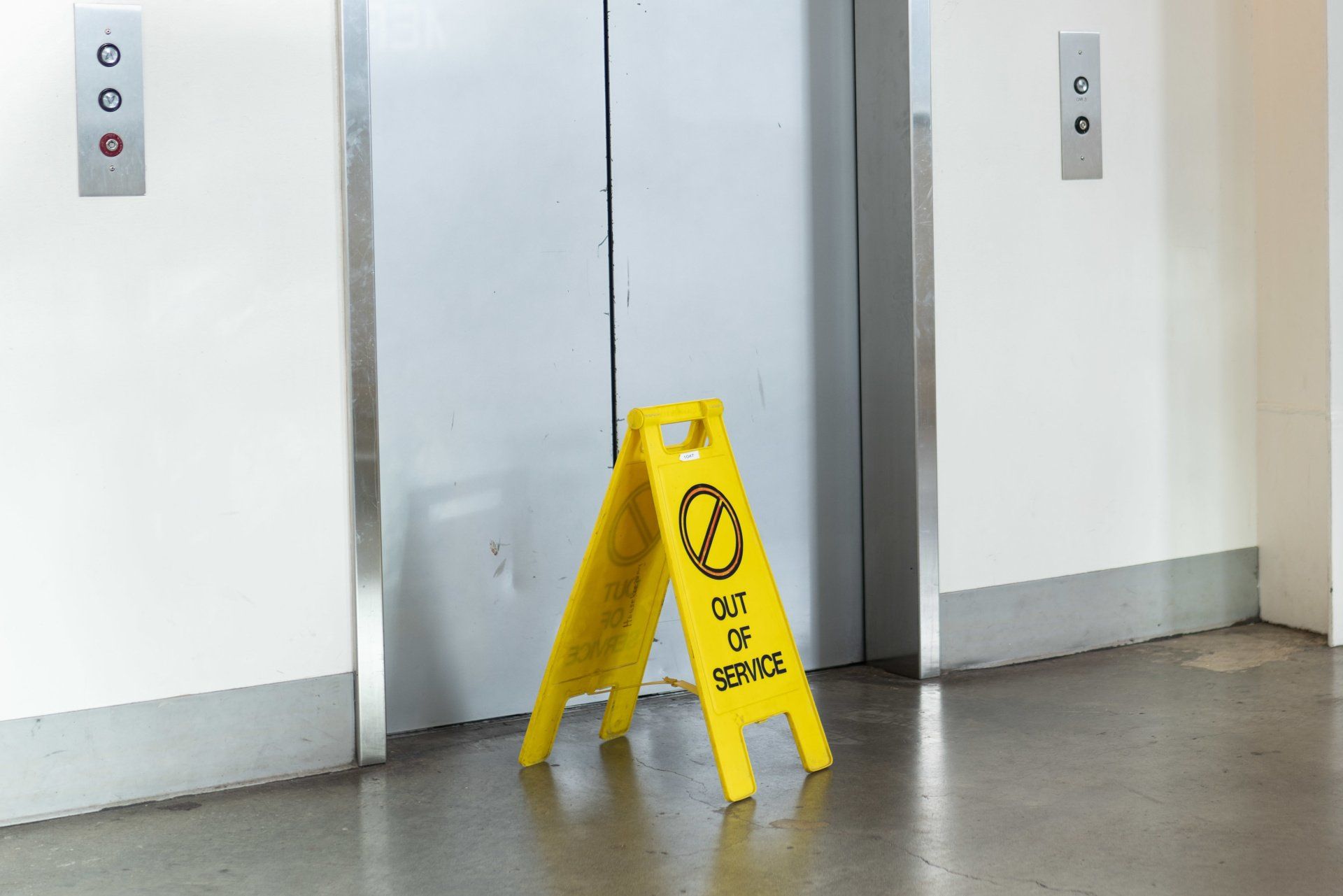
In most buildings, this response means the lift will travel to a designated floor, open its doors, and then shut down. In some cases, it may stop operating completely until it has been checked and reset. Even after the alarm has stopped sounding, the lift may remain out of service — and this is often where confusion starts.
Why the Lift Doesn’t Restart Once the Alarm Clears
One of the most common questions people ask is, “If the alarm was false, why won’t the lift just start again?” The answer lies in how lift safety systems are designed.
Many lifts require a manual reset by a qualified engineer after a fire alarm event. This is to confirm that the system is safe before allowing passengers back inside. It’s not a fault — it’s a safeguard.
False alarms can also play a role. These often occur due to dust, steam, condensation, or cold air, particularly in winter. Even routine fire alarm testing can cause the lift to shut down. While the alarm may be cleared quickly, the lift still treats the event as a potential risk until it has been properly checked.
Power interruptions are another common cause. Fire alarms are sometimes triggered during storms or power fluctuations, and even a brief loss of power can trip lift safety circuits. When this happens, the lift won’t restart on its own.
In some cases, a fire alarm can also expose an underlying issue that was already developing — such as a worn door lock, a sensor problem, or a control system fault. The lift shuts down correctly to prevent unsafe operation.
What You Can Safely Do Before Calling an Engineer
If the lift isn’t working after a fire alarm, there are a few sensible checks you can make without putting anyone at risk. First, confirm that the fire alarm has fully reset and that there are no ongoing alerts in the building. If you have access to building management systems, check for any fault messages related to the lift.
It’s also worth seeing whether the issue affects just one lift or multiple lifts in the building. This can help identify whether the problem is localised or system-wide.
What’s important is knowing what not to do. Forcing doors open, attempting to access lift panels, or trying to reset the system without proper training can be dangerous and may make the problem worse. Lifts are safety-critical systems, and improper interference can lead to injury or further shutdowns.
When You Should Call a Lift Engineer
If the lift remains out of service after the fire alarm has cleared, it’s time to involve a professional. This is especially important if the lift shows fault messages, doors won’t open or close properly, or the lift has stopped between floors.
Repeated shutdowns following alarms are another clear sign that something needs attention. In many buildings, lifts cannot legally return to service after a fire alarm without an engineer confirming that everything is working safely and correctly.
Calling an engineer promptly helps minimise disruption and ensures the lift is restored in a compliant and controlled way.
How Lift Engineers Restore Lifts After Fire Alarms
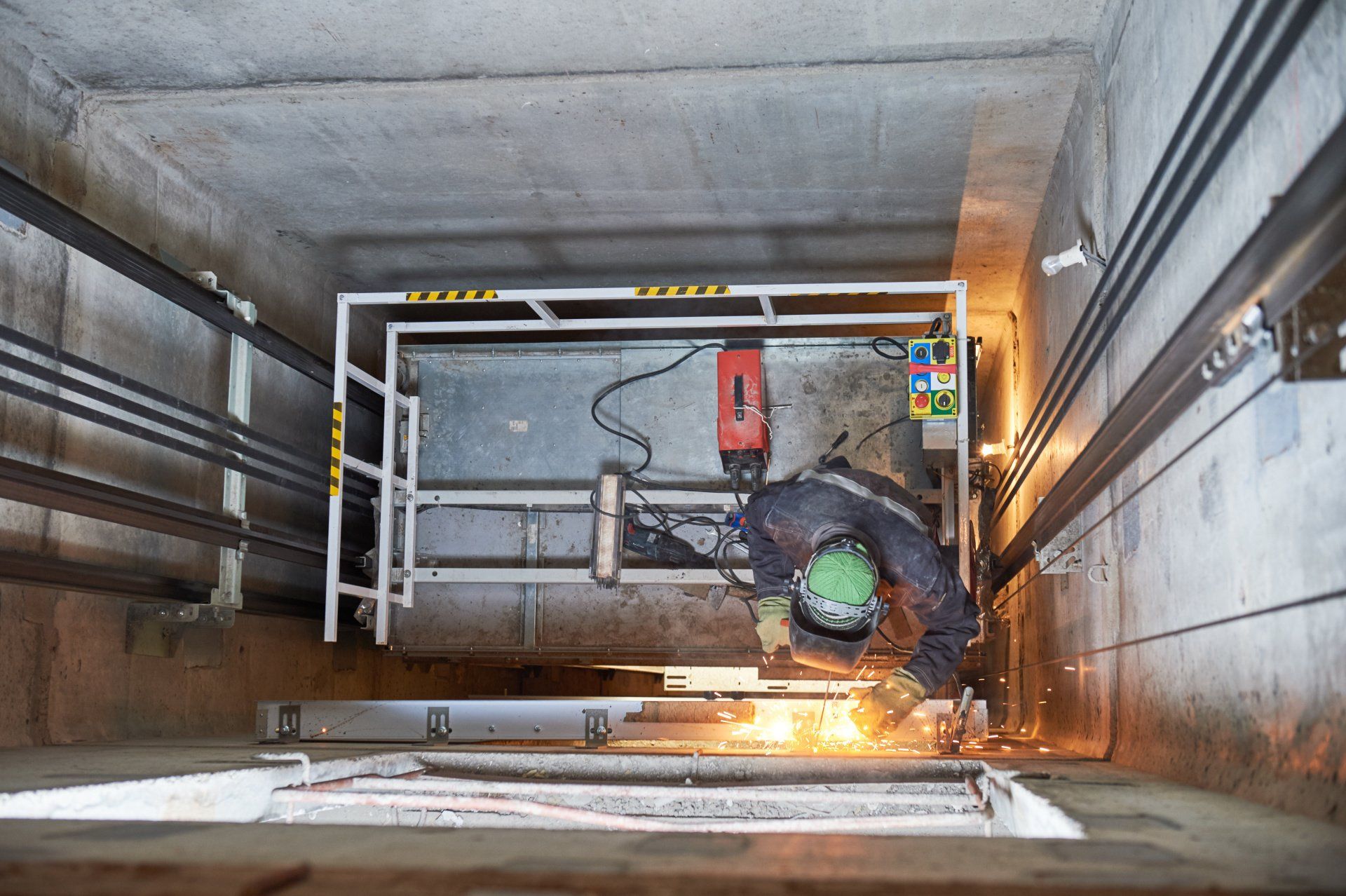
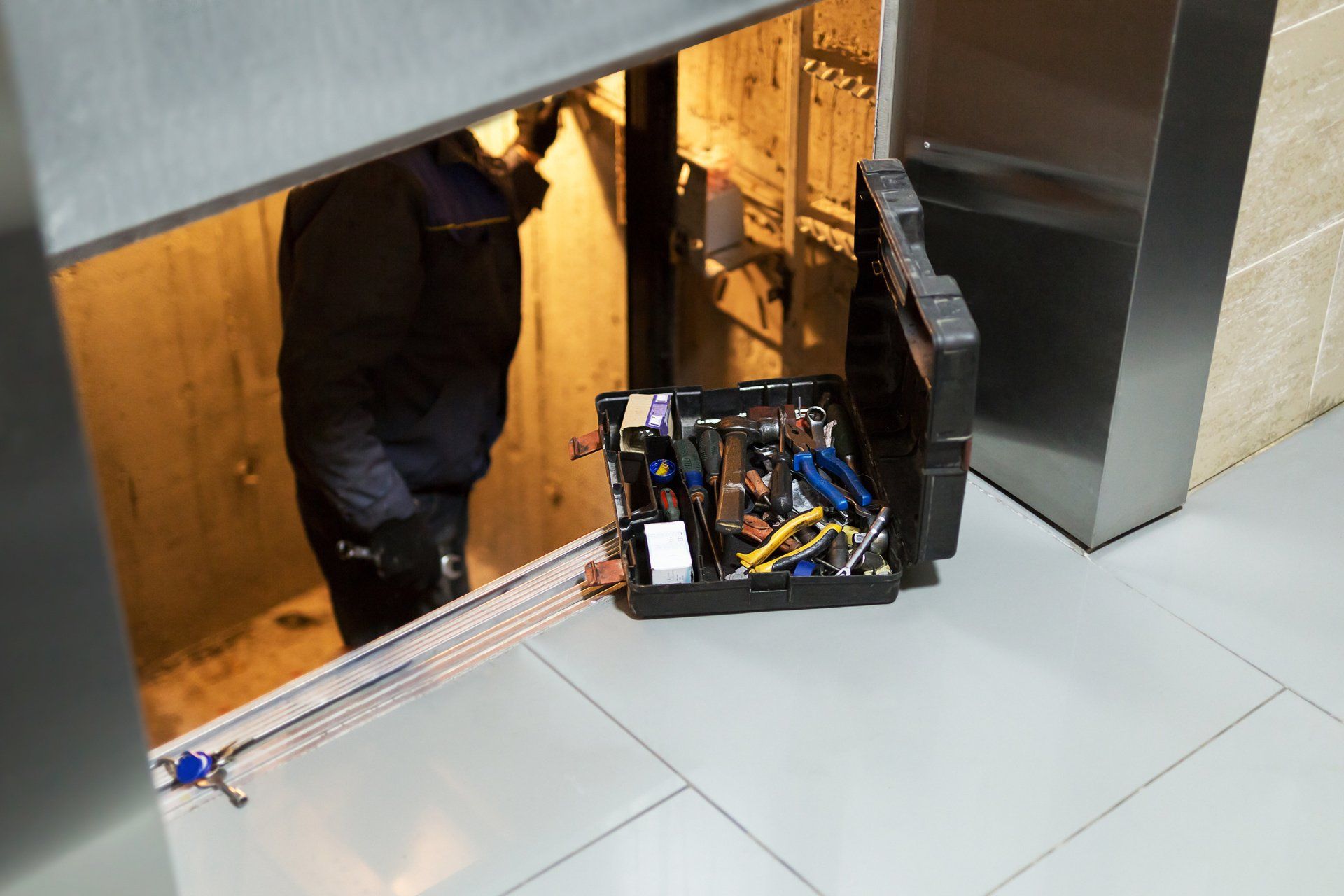
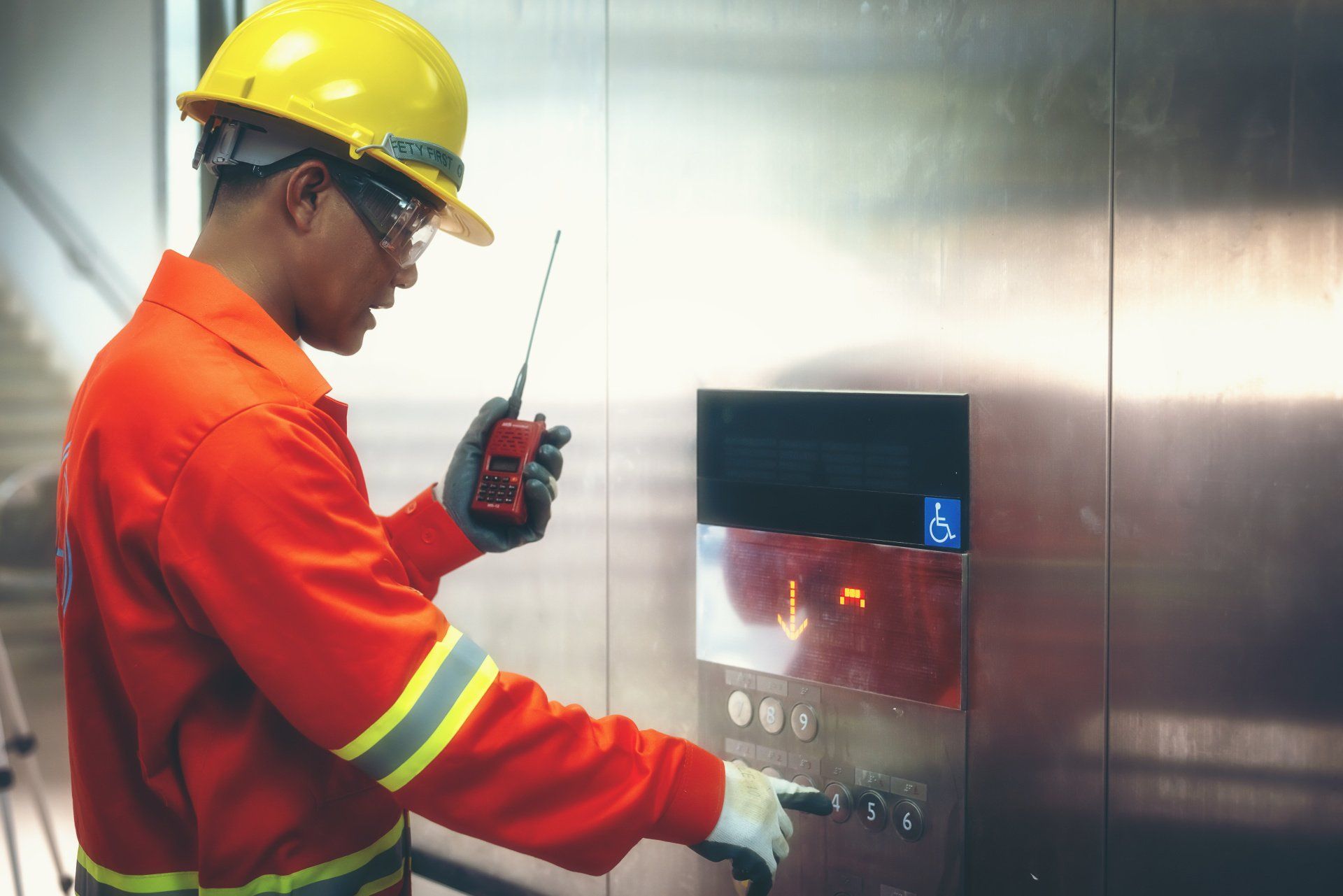
When a lift engineer attends a fire alarm-related shutdown, they don’t simply “switch it back on”. The process involves checking communication between the fire alarm system and the lift, resetting safety circuits correctly, and inspecting key components such as door locks and sensors.
The engineer will then test the lift under normal operating conditions to make sure it responds properly before handing it back into service. This careful approach helps prevent repeat shutdowns and ensures passengers can use the lift safely.
How to Reduce Future Fire Alarm Lift Shutdowns
While not every shutdown can be avoided, regular lift maintenance can significantly reduce unnecessary downtime. Planned servicing helps identify components that are more likely to trigger lockouts after alarms, especially during colder months.
Better coordination between fire alarm testing and lift servicing also helps. When systems are maintained together, issues are spotted earlier and resolved before they cause disruption.
Need Help With a Lift Not Working After a Fire Alarm?
If your lift isn’t working after a fire alarm and you need it safely back in service, professional support makes all the difference. These situations often require experience, proper testing, and a clear understanding of safety and compliance.
ACE Elevators Northern provides reliable lift repair and support services across the North of England. Their engineers regularly deal with fire alarm-related shutdowns, false activations, and power-related issues, helping buildings restore lift service quickly and safely.
If your lift has shut down and won’t restart, getting expert help early can reduce downtime, avoid repeat issues, and keep everyone moving safely.