Lift Doors Not Opening? Common Causes and Quick Fixes Before You Call an Engineer
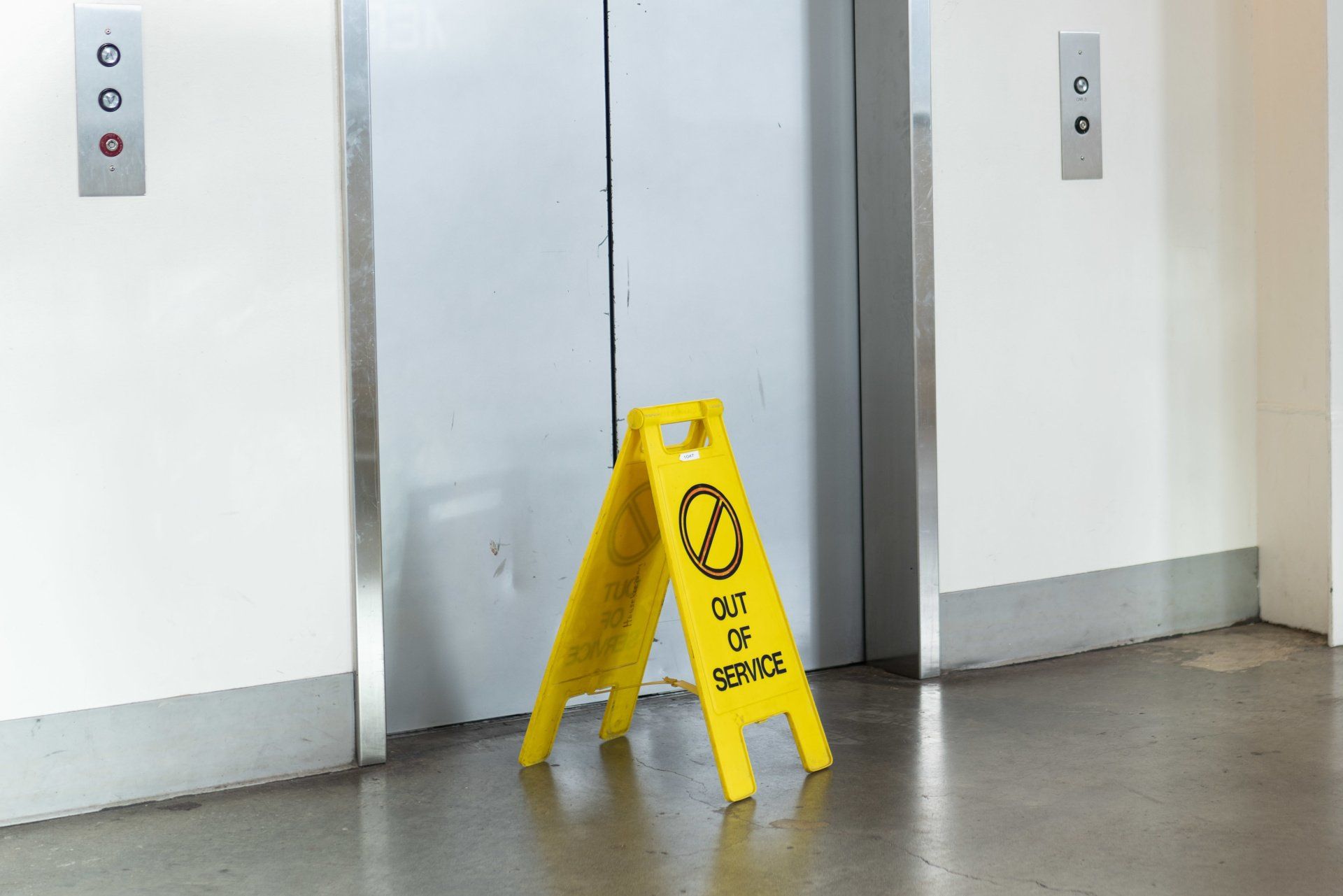
If your lift doors are not opening, it can quickly turn from an inconvenience into a serious problem — especially in busy buildings such as offices, flats, care homes or schools. Door faults are one of the most common lift breakdown reasons in the UK, particularly during colder, wetter months.
In this guide, we explain why lift doors stop opening, what you can safely check, and when it’s time to call a professional lift engineer.
Why Lift Doors Fail to Open
Lift doors are designed with multiple safety systems, so even a small issue can cause the lift to shut down as a precaution. The most common causes include:
1. Sensor or Light Curtain Problems
Modern lifts use door sensors or light curtains to detect people or objects.
Dirt, dust, moisture, or condensation can interfere with these sensors, making the lift think something is blocking the doors — even when nothing is there.
Common signs:
- Doors start to open, then close again
- Lift won’t move once doors close
- Repeated door cycling
2. Cold Weather and Stiff Components
In winter, cold and damp conditions can affect door rollers, tracks and lubricants. When components stiffen or seize, the lift may not be able to open the doors fully and will shut down for safety reasons.
This is one of the main reasons January sees a spike in lift door callouts across the UK.
3. Door Lock or Interlock Faults
Lift doors are fitted with safety locks that must engage correctly before the lift will operate.
If a lock becomes worn, misaligned or damaged, the system prevents the doors from opening to avoid unsafe operation.
4. Electrical or Control Issues
Power fluctuations, blown fuses or control board faults can stop door motors from responding. This is common after storms or local power interruptions.
What You Can Safely Check Before Calling an Engineer:
If the lift doors won’t open, there are a few safe checks you can make:
- Check if anything is physically blocking the doors
- Look for visible dirt or debris around the door edges
- See if a reset has already been attempted by building management
- Check if the issue affects all floors or just one
⚠️ Do not attempt to force the doors open or interfere with lift mechanisms. This can be dangerous and may make the fault worse.
When You Should Call a Lift Engineer Immediately
You should arrange a professional callout if:
- The lift doors won’t open at multiple floors
- People are trapped inside the lift
- The lift repeatedly shuts down
- The issue follows a power cut or fire alarm activation
- The fault keeps returning
Door faults often indicate underlying wear or safety issues that require proper diagnosis and repair.
How Lift Engineers Fix Door Opening Problems
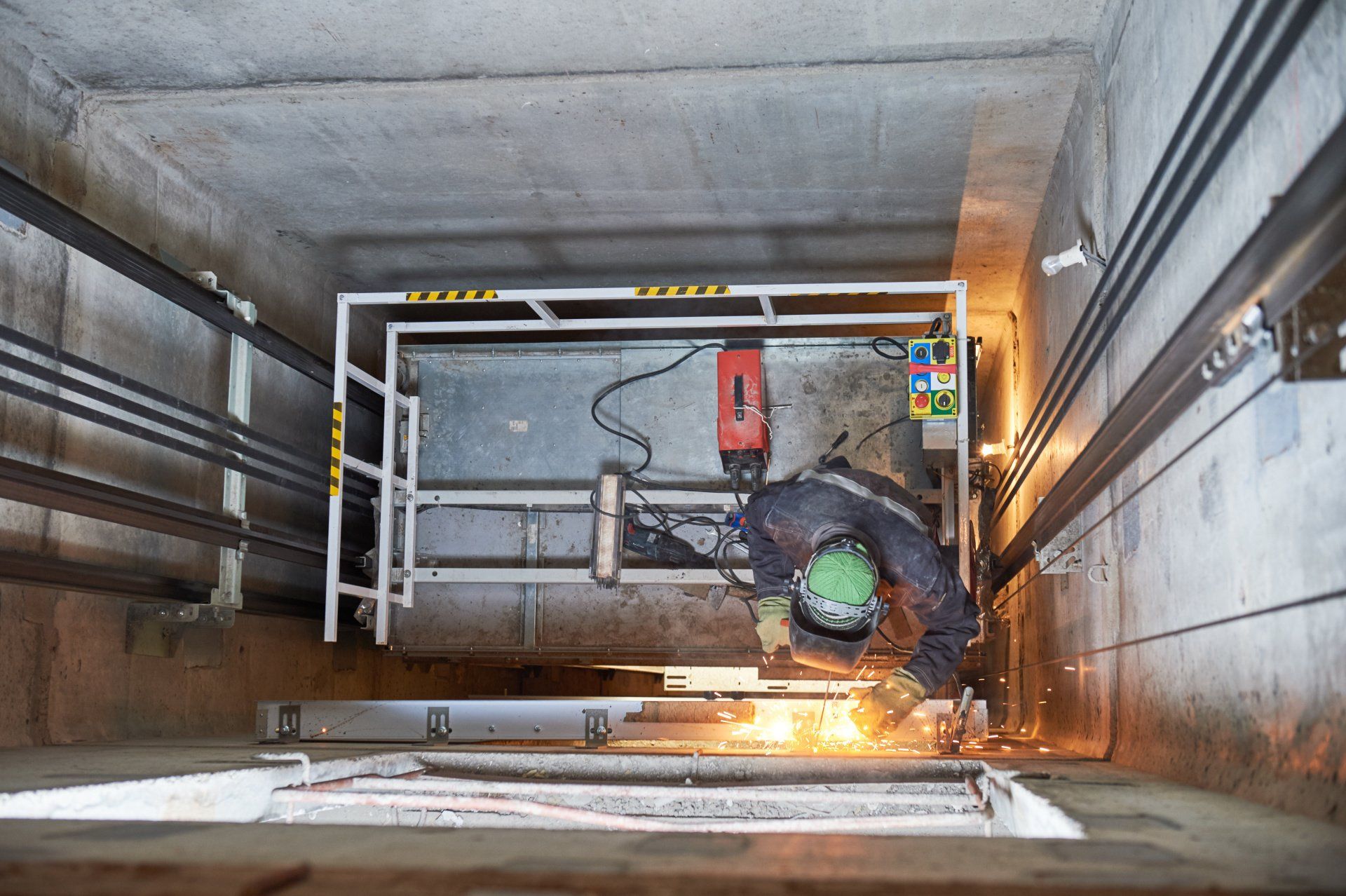
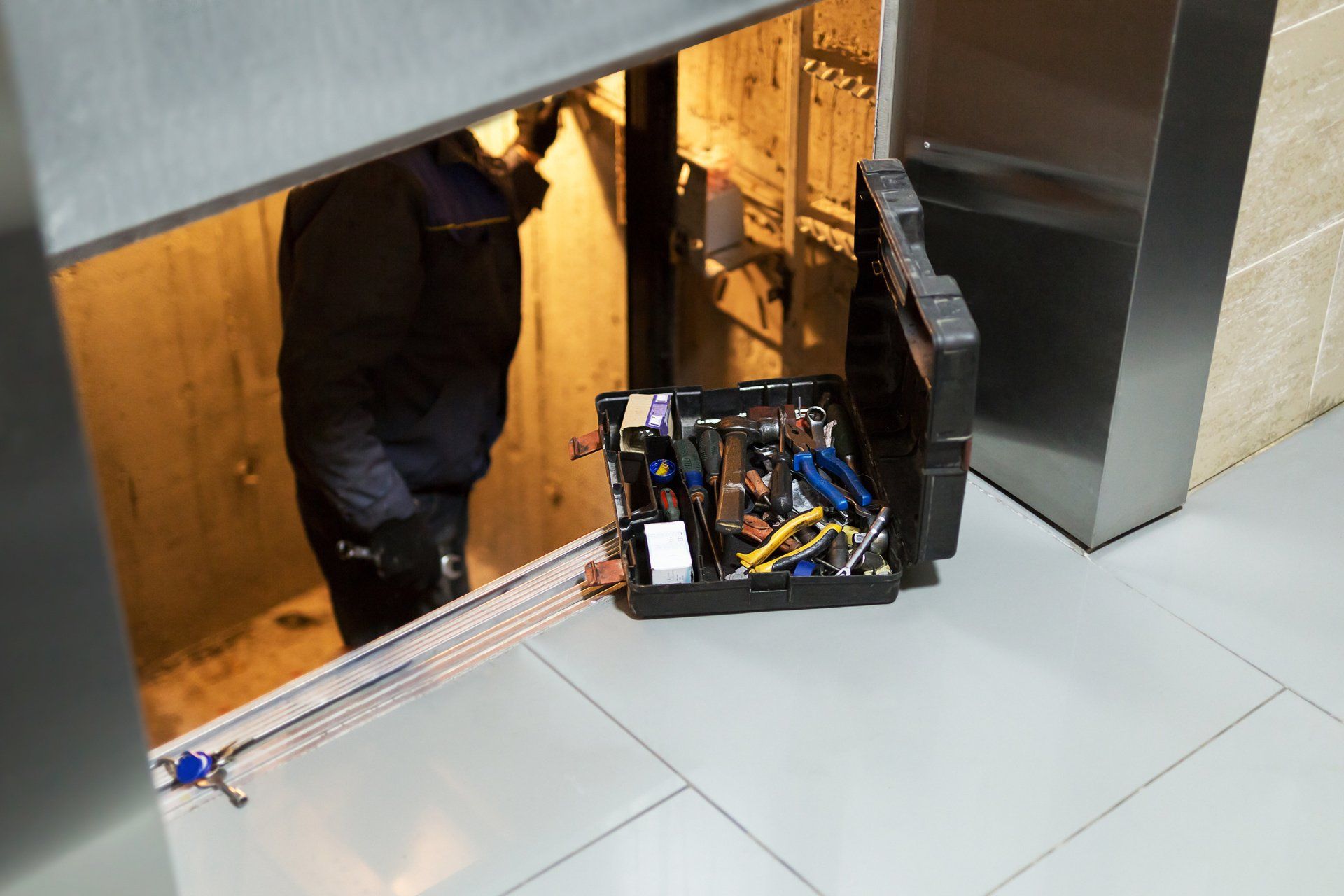
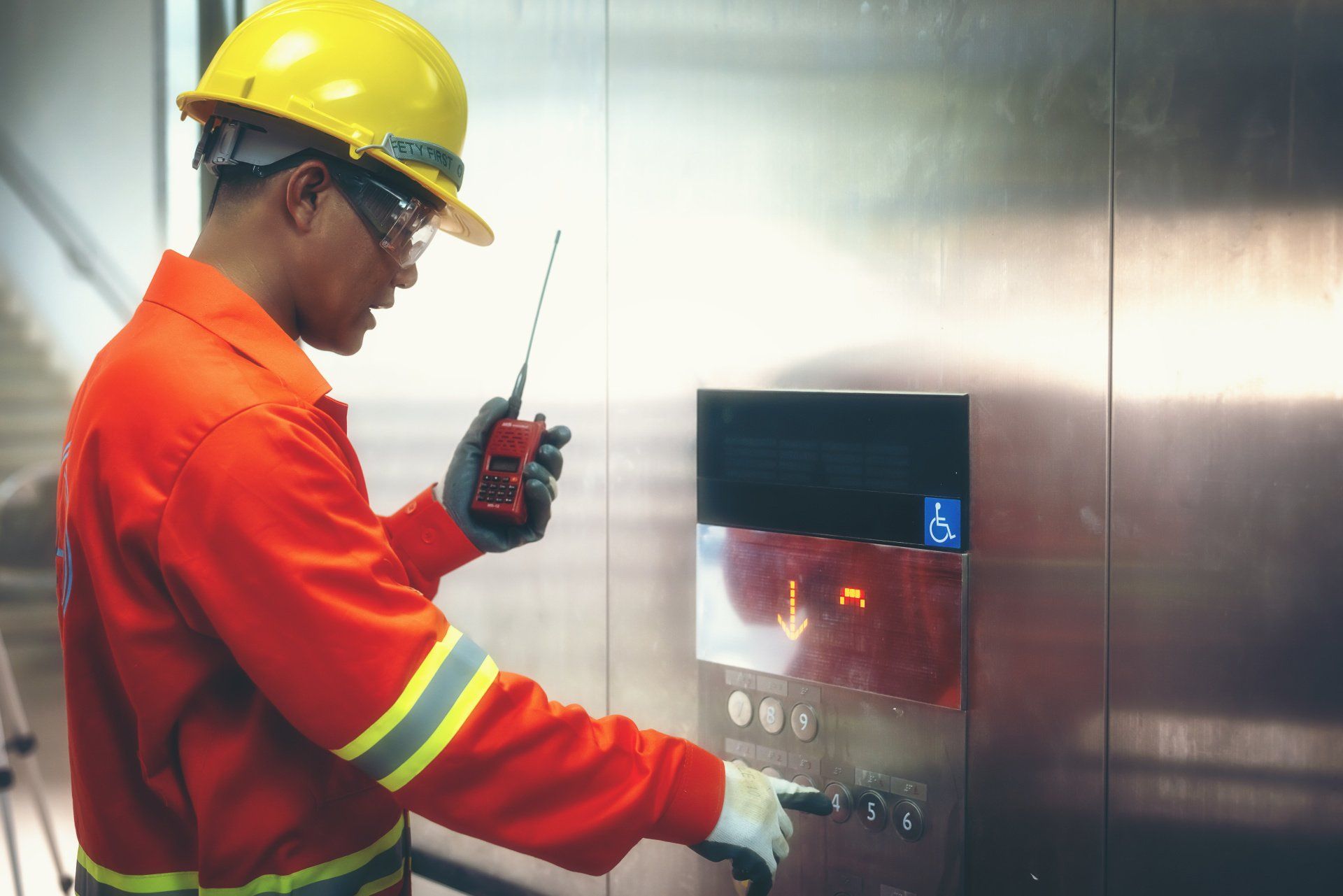
A qualified lift engineer will typically:
- Inspect and test door sensors and safety circuits
- Clean and realign tracks, rollers and guides
- Check door motors and control signals
- Replace worn or damaged door locks
- Reset and test the lift under safe operating conditions
Fixing the root cause helps prevent repeat breakdowns and improves long-term reliability.
Preventing Future Door Faults
Regular lift maintenance is the best way to avoid door problems. Planned servicing helps to:
- Keep sensors clean and correctly aligned
- Identify worn components early
- Prevent cold-weather failures
- Reduce emergency callouts and downtime
Buildings with preventative maintenance plans experience far fewer door-related breakdowns, particularly during winter.
Need Help With Lift Doors Not Opening?
If your lift doors are not opening and you need a reliable, professional repair, it’s important to use experienced engineers who understand both safety systems and real-world building demands.
ACE Elevators Northern provides responsive lift repair and maintenance services across the North of England. Their qualified engineers diagnose door faults quickly, carry out safe, compliant repairs, and help prevent repeat issues through ongoing maintenance support.
If your lift has stopped working or doors won’t open, getting expert help early can save time, money and disruption.