Improving Lift Safety in Assisted Living Facilities Through Planned Modernisation
Introduction
In assisted living facilities, lifts are used constantly throughout the day. Residents rely on them for independence, staff depend on them for safe movement, and visitors expect them to operate smoothly and reliably.
When a lift begins to feel unreliable — even if it is still technically working — it can create uncertainty and risk in an environment where safety should never be in question.
Planned lift modernisation is one of the most effective ways to improve lift safety in assisted living facilities without the disruption of full replacement. Rather than waiting for breakdowns to dictate action, a proactive upgrade approach allows operators to strengthen performance, improve reliability, and create a safer environment for everyone who uses the building.
Why Lift Safety Matters More in Assisted Living
In many commercial buildings, a lift outage is inconvenient. In assisted living settings, it can be far more serious.
Residents may have limited mobility, use walking aids or wheelchairs, and depend entirely on lift access to move between floors. Even small issues such as uneven levelling, slow door response, or inconsistent stopping can increase the risk of trips or discomfort.
Over time, ageing lift systems may begin to show subtle performance changes. The lift may operate more slowly, doors may hesitate before closing, or the ride may feel less smooth than it once did. These changes often signal that components are wearing and that safety margins are narrowing.
Modernising lift systems before they deteriorate further helps maintain high standards of care and reduces operational risk.
What Planned Modernisation Typically Involves
Lift modernisation for elderly care facilities does not necessarily mean replacing the entire lift. In many cases, improving key components can deliver substantial safety and reliability benefits.
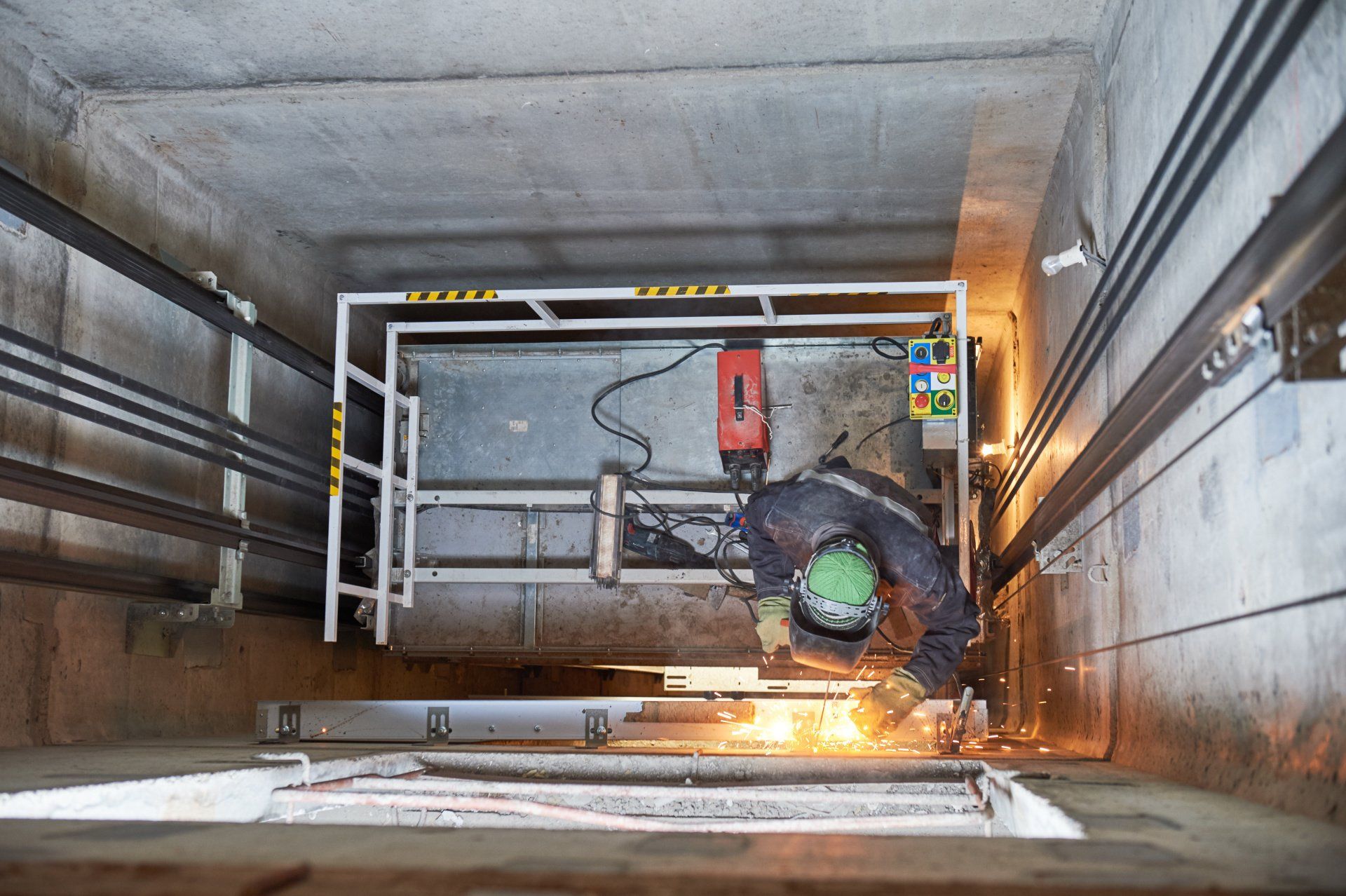
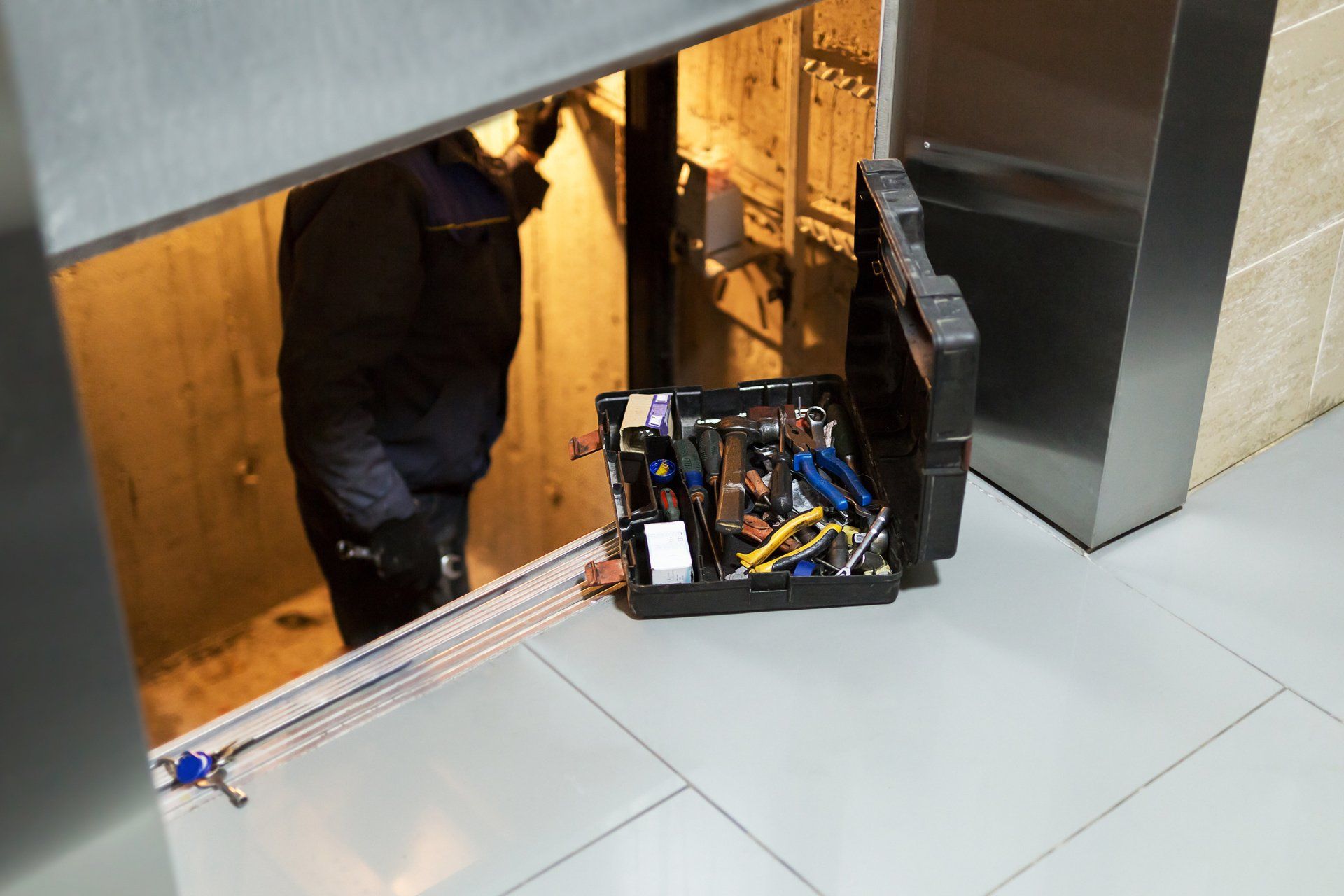
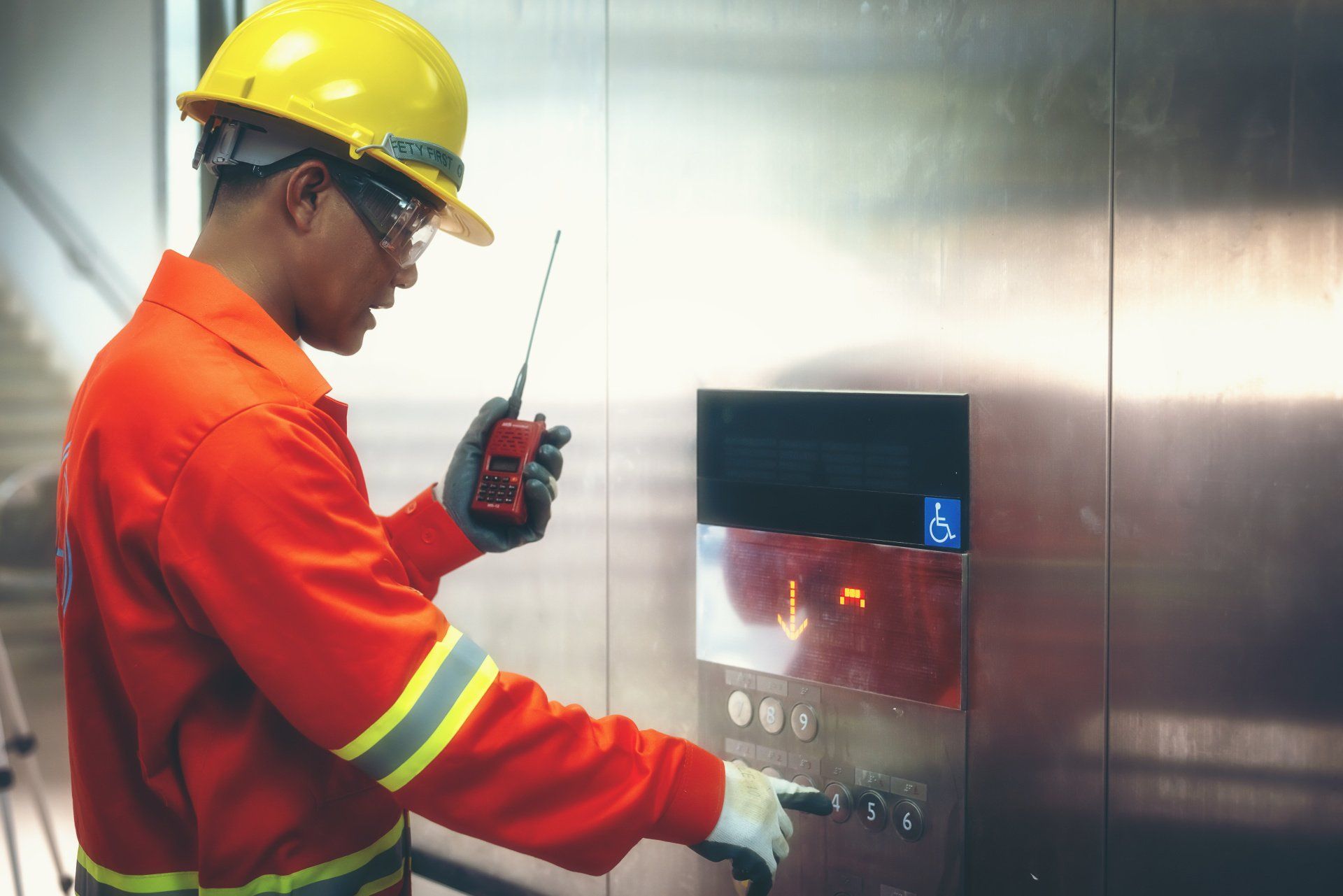
Updating control systems can enhance response times and improve operational accuracy. Replacing ageing door mechanisms can ensure smoother, more predictable movement. Improvements to levelling systems can reduce small but important floor misalignments that affect wheelchair access.
These targeted upgrades allow assisted living providers to retain the core lift structure while significantly improving day-to-day performance.
Because the work is planned rather than reactive, it can be scheduled in stages, helping minimise disruption to residents and staff.
Reducing Risk Before Problems Escalate
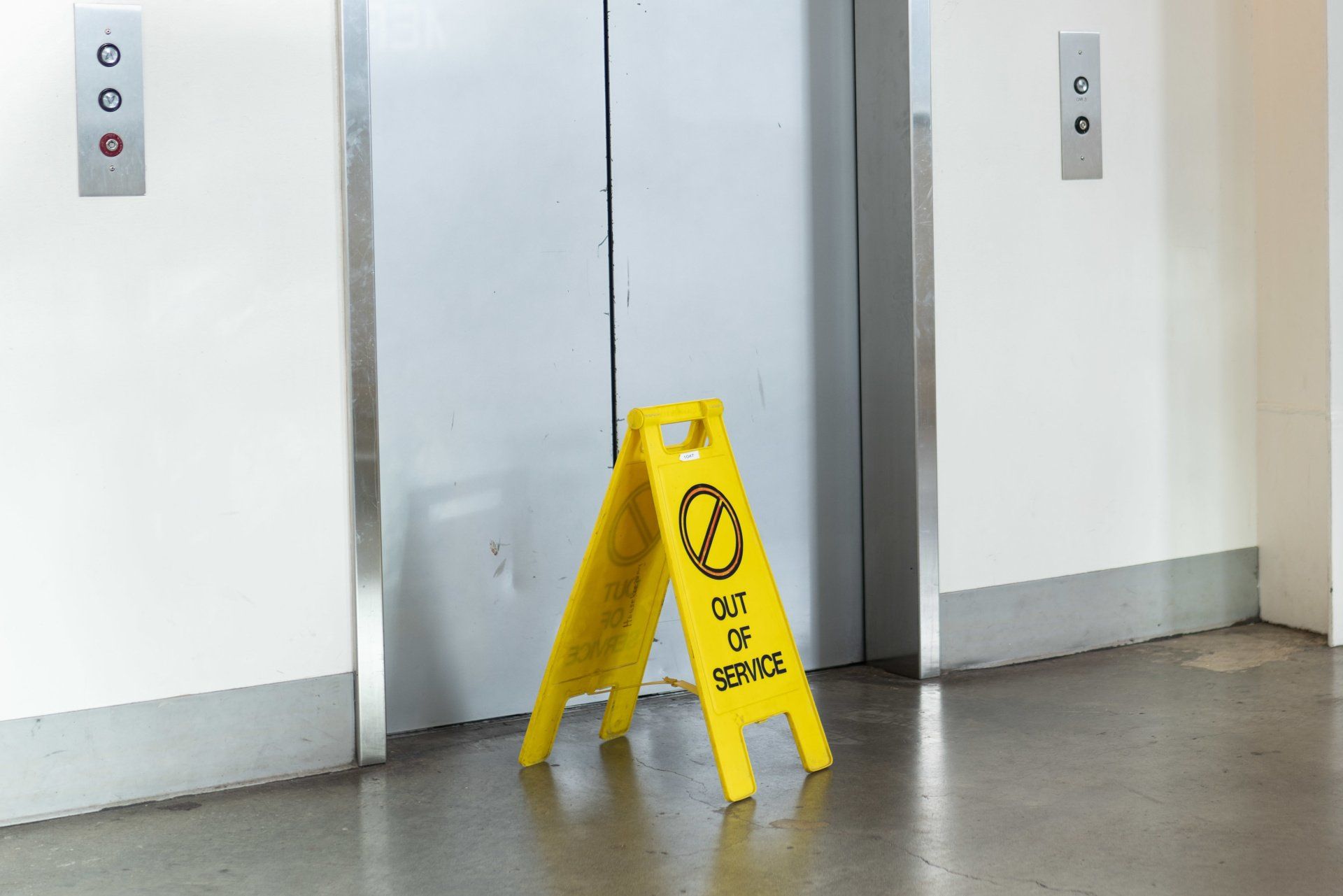
One of the most important benefits of proactive lift refurbishment in assisted living buildings is risk reduction. Small performance issues often precede larger failures. A lift that is occasionally unreliable today may become frequently out of service tomorrow.
By addressing ageing components and modernising systems early, facilities can reduce the likelihood of unexpected downtime and improve long-term reliability.
This approach also supports compliance and responsible facility management. Demonstrating that lift safety is actively reviewed and improved reflects strong operational standards and a commitment to resident wellbeing.
Supporting Accessibility and Resident Confidence
Lift safety is not just about preventing breakdowns. It is also about maintaining confidence.
Residents should feel secure when using a lift. Smooth operation, accurate stopping levels, and consistent door performance all contribute to that confidence. When lifts behave unpredictably, even in small ways, it can create anxiety for users who rely on them daily.
Accessibility lift upgrades for care facilities often focus on improving user experience as well as mechanical reliability. Enhancements to controls, door timing, and ride comfort all help maintain dignity and independence for residents.
When to Consider Modernisation
If a lift in an assisted living facility is over 15 years old, experiencing increasing maintenance visits, or showing signs of inconsistent performance, it may be time to explore planned modernisation.
Waiting for a major failure can result in extended downtime and urgent decision-making. A structured refurbishment plan, by contrast, allows improvements to be delivered thoughtfully, with budgeting and scheduling aligned to operational needs.
Taking a Proactive Approach to Lift Safety
Improving lift safety in assisted living facilities through planned modernisation is about more than upgrading equipment. It is about protecting residents, supporting staff, and maintaining a dependable environment.
ACE Elevators Northern works with assisted living providers and care facilities across the North of England to modernise ageing lift systems and improve long-term reliability. Through targeted upgrades and structured refurbishment programmes, facilities can strengthen safety, reduce downtime, and ensure lifts continue to operate smoothly in environments where dependable access is essential.
If your lift system is ageing or showing early signs of performance decline, exploring modernisation options now can provide lasting benefits for both residents and operators.