When Is It Time to Refurbish a Care Home Lift? Key Signs Operators Shouldn’t Ignore
Introduction
For care home operators, a lift is not just a convenience — it is essential infrastructure. Residents, staff, visitors, and care teams rely on it every day for safe and comfortable movement throughout the building.
Because of this, lift reliability in care homes carries far greater importance than in many other sectors.
While reactive repairs may keep a lift running in the short term, there comes a point when ongoing issues signal that lift refurbishment may be the smarter, safer, and more cost-effective option.
This guide explains the key signs that it may be time to refurbish a care home lift — and why planned improvements can make a significant difference.
Increasing Downtime and Repeat Callouts
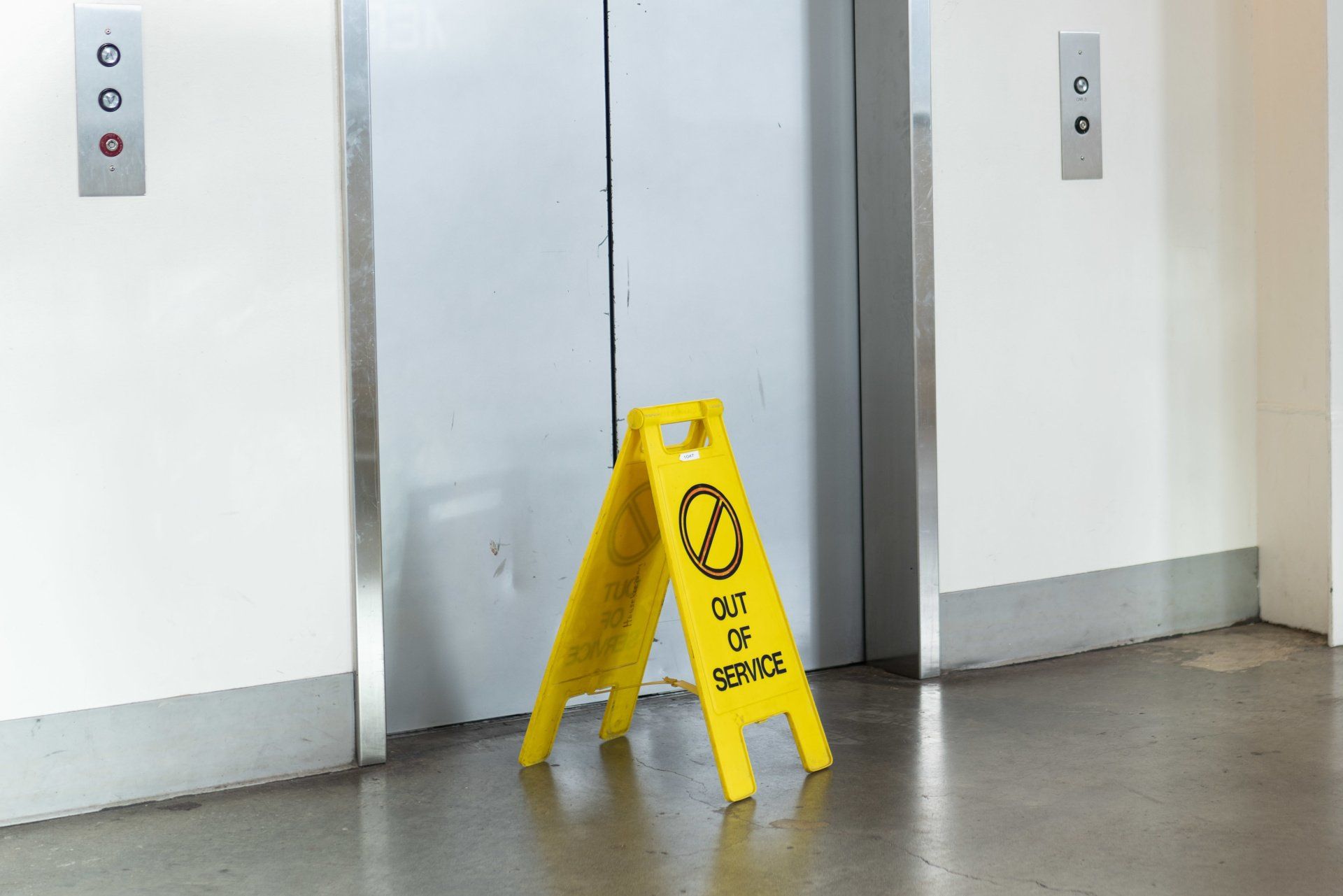
One of the earliest indicators that refurbishment should be considered is repeated downtime.
If a lift is regularly taken out of service for minor faults, door issues, or intermittent shutdowns, it may be operating beyond the reliable lifespan of certain components.
In care environments, even short periods of downtime can create:
- Accessibility challenges for residents
- Delays in care delivery
- Increased manual handling risks
- Frustration for staff and families
While individual repairs can temporarily resolve these issues, frequent breakdowns often point to ageing systems that would benefit from structured modernisation.
Ageing Controls and Outdated Components
Many care homes operate lifts that are 15–25 years old. While these lifts may still function, older control systems, door operators, and safety components can struggle to meet modern expectations.
Outdated lift equipment can lead to:
- Slower response times
- Jerky or inconsistent movement
- Noisy operation
- Reduced reliability
Refurbishment for care home lifts often focuses on updating key components such as control systems, door mechanisms, and safety features — improving performance without the disruption of full replacement.
Changing Accessibility Requirements
Care facilities evolve over time. As resident needs change, lift performance expectations often increase.
Modern lift refurbishment can improve:
- Smooth acceleration and deceleration
- Levelling accuracy for wheelchair access
- Door opening width and timing
- Reliability for mobility equipment use
Upgrading lifts in nursing homes or assisted living facilities can significantly improve day-to-day comfort and accessibility for residents.
Compliance and Risk Management Considerations
Care homes operate in a highly regulated environment. While routine inspections may not require full lift replacement, they can highlight areas where safety and reliability improvements are advisable.
Planned lift modernisation allows operators to address concerns proactively rather than reactively.
Improving lift safety in care homes through refurbishment can:
- Reduce operational risk
- Demonstrate proactive facility management
- Support long-term compliance standards
- Protect resident wellbeing
Taking action before serious faults occur reflects strong governance and responsible building management.
Rising Maintenance Costs
If maintenance costs are steadily increasing year after year, this can indicate that components are reaching the end of their service life.
At some stage, continued reactive repairs may cost more than a structured refurbishment programme.
Replacing outdated lift components in assisted living buildings can:
- Reduce repeat engineer visits
- Improve reliability
- Lower long-term maintenance costs
- Extend the life of the lift system
Planned upgrades often provide a better long-term return on investment than repeated short-term fixes.
The Benefits of Planned Lift Refurbishment in Care Homes
Refurbishment does not necessarily mean replacing the entire lift system. In many cases, modernising selected components can deliver significant improvements in safety, performance, and reliability.
Key benefits include:
- Reduced downtime
- Improved resident experience
- Enhanced safety features
- Greater operational efficiency
- Extended equipment lifespan
By taking a structured, phased approach, improvements can often be delivered with minimal disruption to residents and daily operations.
Taking a Proactive Approach to Lift Modernisation
Waiting for a major breakdown is rarely the best time to consider refurbishment. Evaluating lift performance before reliability declines significantly allows care home operators to plan works around operational needs and budgets.
Refurbishment for care home lifts is not just about fixing what is broken — it is about strengthening safety, improving comfort, and ensuring dependable operation for years to come.
ACE Elevators Northern supports care homes and assisted living facilities across the North of England with planned lift refurbishment and modernisation programmes. By focusing on reliability, safety, and minimal disruption, they help operators future-proof their lift systems and maintain high standards of care.
If your lift is ageing, experiencing increasing downtime, or struggling to meet current demands, now may be the right time to consider a structured refurbishment plan.