Upgrading Patient Lifts in Healthcare Buildings: Reducing Downtime Without Full Replacement
Introduction
For many healthcare buildings, the lift is one of the most heavily used pieces of equipment in the entire facility. Patients, clinicians, visitors and support staff rely on it continuously throughout the day.
When performance begins to decline, the immediate assumption is often that the lift needs replacing entirely. However, in many cases, targeted lift system upgrades can dramatically improve reliability and performance without the disruption or cost of full replacement.
For medical centres, private clinics and healthcare premises, upgrading patient lifts can be a practical and cost-effective way to reduce downtime while extending the life of existing equipment.
Why Healthcare Lifts Experience High Wear
Healthcare lifts operate under unique pressures. They often run from early morning until late evening, carrying a mix of ambulatory patients, wheelchair users, mobility equipment and clinical staff.
This constant use accelerates wear on:
- Door systems
- Control components
- Levelling mechanisms
- Safety systems
Even if the lift continues operating, ageing parts can lead to slower response times, intermittent faults and increasing service visits. Over time, reliability may begin to suffer.
In healthcare environments, where consistent access is critical, even minor disruptions can affect appointment schedules and patient experience.
The Difference Between Replacement and Upgrade
Full lift replacement involves removing and installing an entirely new system. While sometimes necessary, it is not always the most appropriate first step.
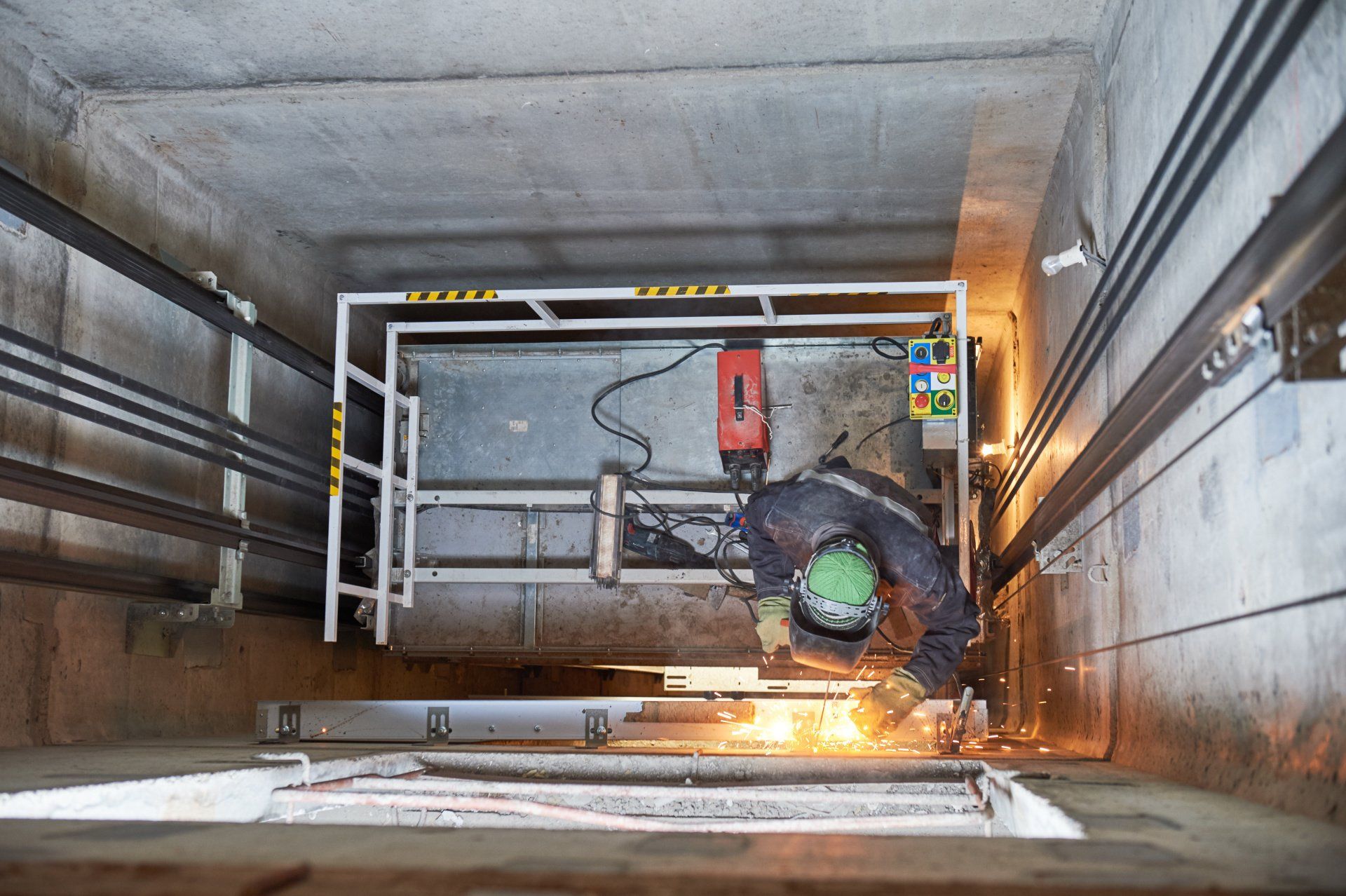
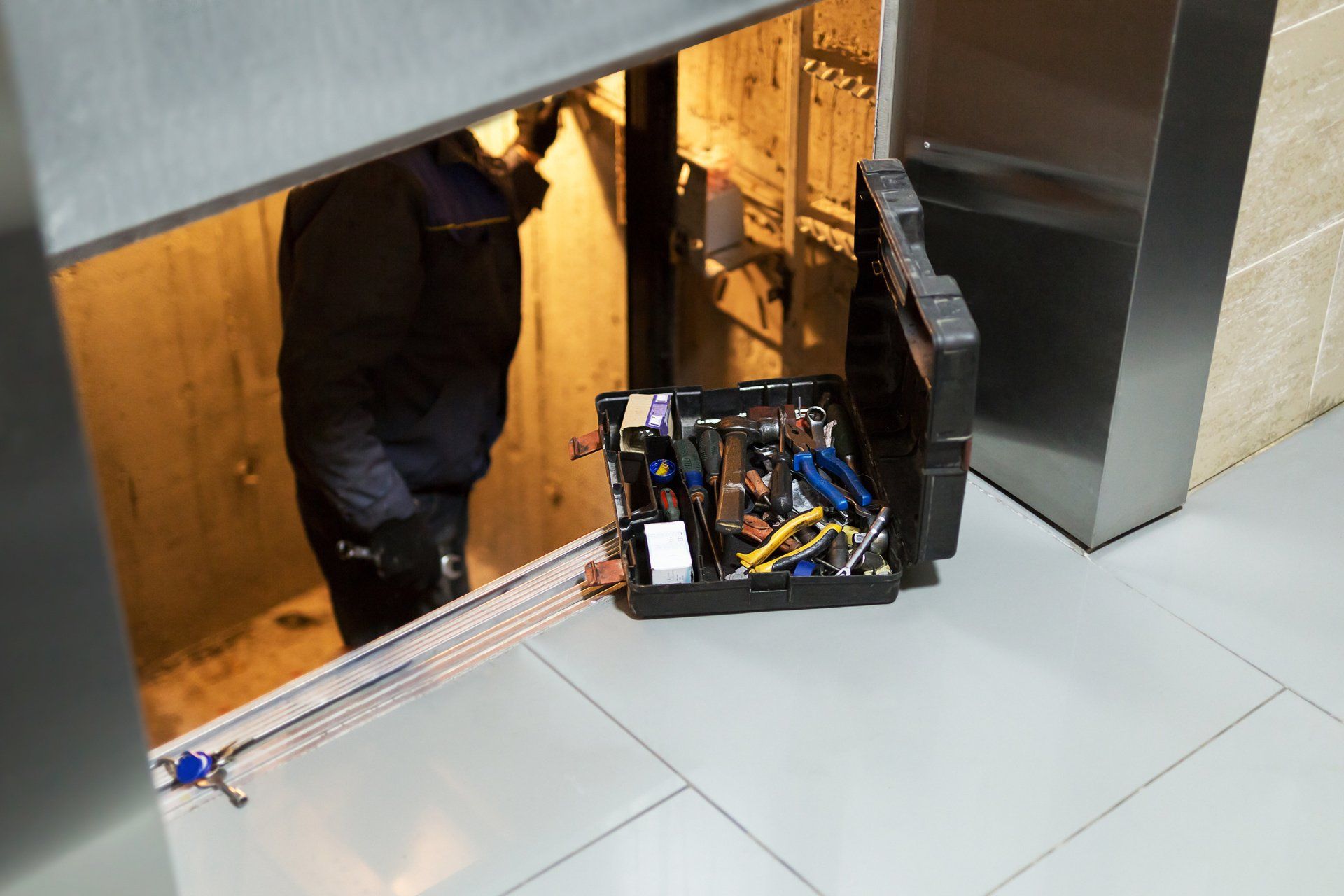
Lift system upgrades for healthcare premises focus on modernising the components most responsible for reliability issues. These can include:
- Updating control systems
- Replacing door operators
- Improving safety circuits
- Enhancing levelling accuracy
- Modernising lift interiors and indicators
By targeting specific ageing systems, performance can often be significantly improved without replacing the entire structure of the lift.
This approach reduces disruption and allows healthcare facilities to maintain operational continuity.
How Upgrades Improve Reliability and Reduce Downtime
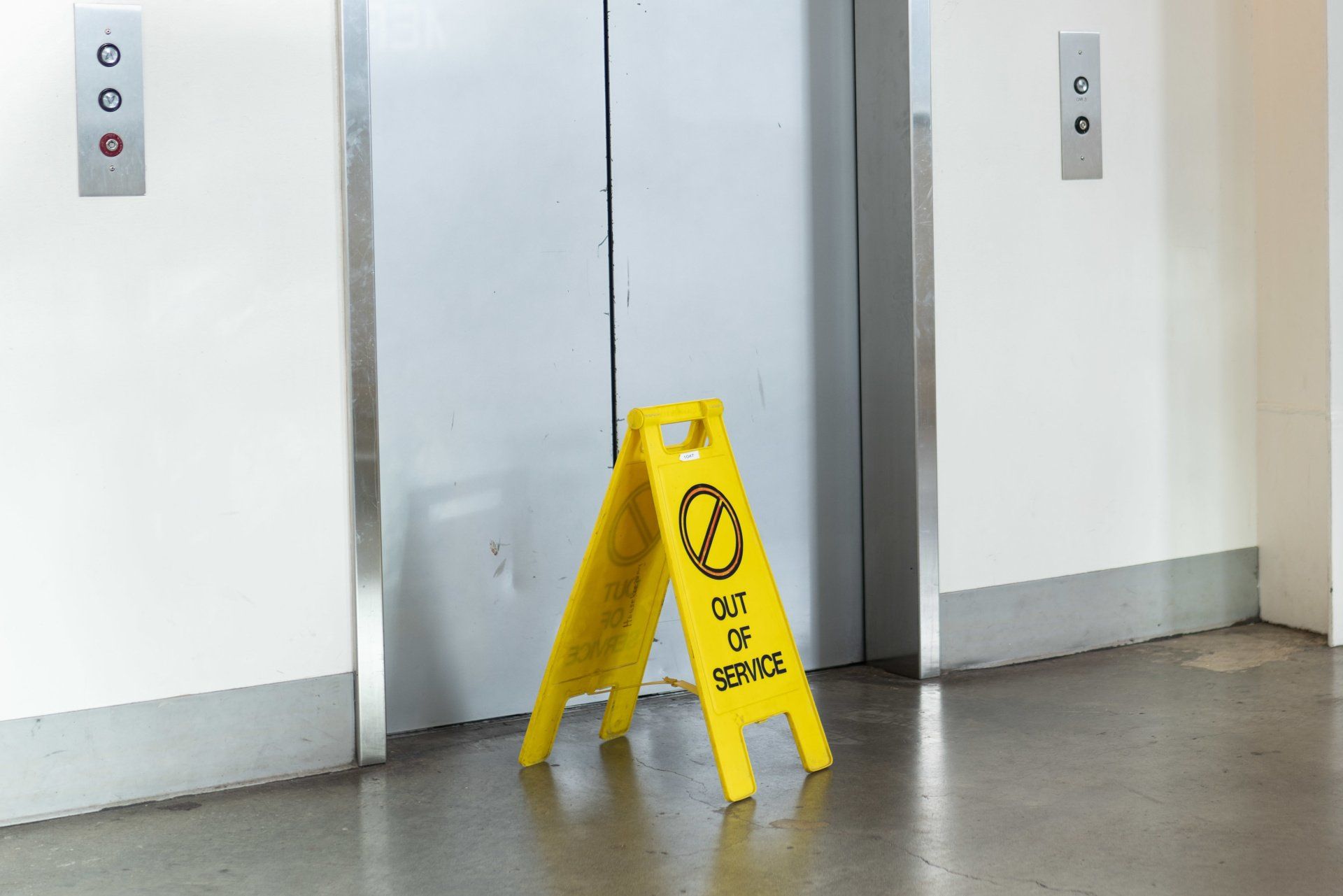
Unplanned downtime is one of the biggest concerns for healthcare operators. A lift that shuts down unexpectedly can delay appointments and increase operational pressure.
Upgrading key components helps stabilise performance and reduce the likelihood of recurring faults. Modern control systems provide more accurate diagnostics and smoother operation. Improved door equipment reduces common shutdown triggers. Updated safety components enhance system stability.
As a result, lifts operate more consistently and predictably — reducing emergency callouts and restoring confidence in daily use.
Supporting Accessibility and Patient Comfort
In healthcare settings, accessibility is essential. Accurate levelling, smooth acceleration and responsive door timing all play a role in ensuring safe and comfortable movement for patients.
Replacing outdated patient lift components with modern systems can improve ride quality and accessibility standards without requiring complete replacement.
Healthcare lift modernisation also supports a professional environment. Updated interiors and clearer controls contribute to a more reassuring experience for patients and visitors.
When Should Healthcare Facilities Consider Upgrades?
There are several signs that upgrading lifts in private clinics or medical centres may be advisable:
- If maintenance visits are becoming more frequent.
- If downtime is increasing year on year.
- If parts are becoming harder to source.
- If performance feels inconsistent compared to modern standards.
Waiting until a lift reaches complete failure can result in urgent decisions and longer periods out of service. Planned upgrades allow improvements to be scheduled in a controlled and structured manner.
A Strategic Approach to Long-Term Lift Performance
Improving lift reliability in medical facilities is rarely about reacting to a single fault. It is about reviewing long-term performance and identifying where targeted improvements can deliver lasting benefits.
Upgrades can extend equipment lifespan, reduce overall maintenance costs and improve day-to-day dependability — all while avoiding the disruption of full replacement.
ACE Elevators Northern supports healthcare providers across the North of England with planned lift refurbishment and upgrade programmes. By assessing system condition and recommending targeted improvements, medical centres can strengthen reliability, protect patient access and ensure lifts continue to operate safely and efficiently.
If your healthcare lift is ageing or experiencing recurring issues, exploring structured upgrade options now may prevent larger disruptions in the future.