Lift Refurbishment for Medical Centres: How Upgrades Improve Patient Access and Reliability
Introduction
In medical centres and private clinics, lifts are more than a convenience. They play a critical role in ensuring patients, staff and visitors can move safely and efficiently throughout the building.
When a lift begins to show signs of ageing — even if it is still operational — the impact can be felt quickly. Delays, minor shutdowns or inconsistent door operation can disrupt appointment schedules, affect accessibility and create unnecessary stress in what should be a calm clinical environment.
Planned lift refurbishment for medical centres allows healthcare operators to improve reliability and patient access without the disruption of full replacement. By modernising key components and strengthening performance, clinics can future-proof their lift systems while maintaining day-to-day operations.
Why Reliability Is Essential in Healthcare Settings
Medical environments operate on tight schedules. Appointment slots are carefully managed, patient flow is structured, and accessibility must be dependable at all times.
Unlike many commercial buildings, healthcare facilities often serve individuals with limited mobility, those using wheelchairs, or patients requiring assistance. A lift that is unreliable, slow or frequently out of service can directly impact patient experience and operational efficiency.
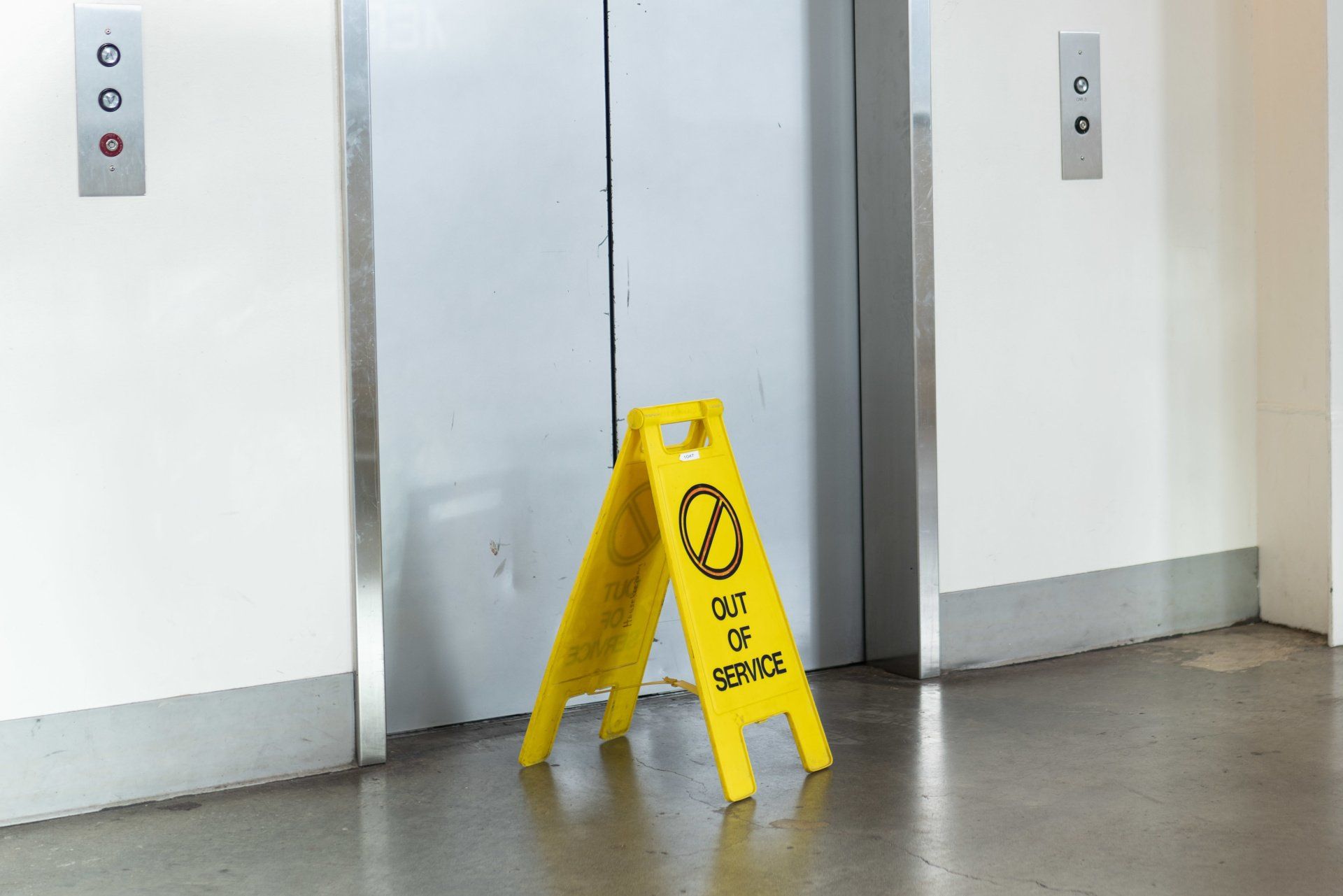
Even occasional downtime can lead to rescheduled appointments, staff delays and increased pressure on reception and clinical teams. For this reason, improving lift reliability in medical facilities is not just a maintenance issue — it is an operational priority.
Common Signs That Refurbishment Should Be Considered
Many healthcare lifts continue to function long after key components begin to decline. The warning signs are often subtle at first.
You may notice that the lift responds more slowly than it once did, doors hesitate before closing, or the ride feels less smooth. In older systems, control panels and indicators may appear dated or lack the responsiveness expected in a modern healthcare environment.
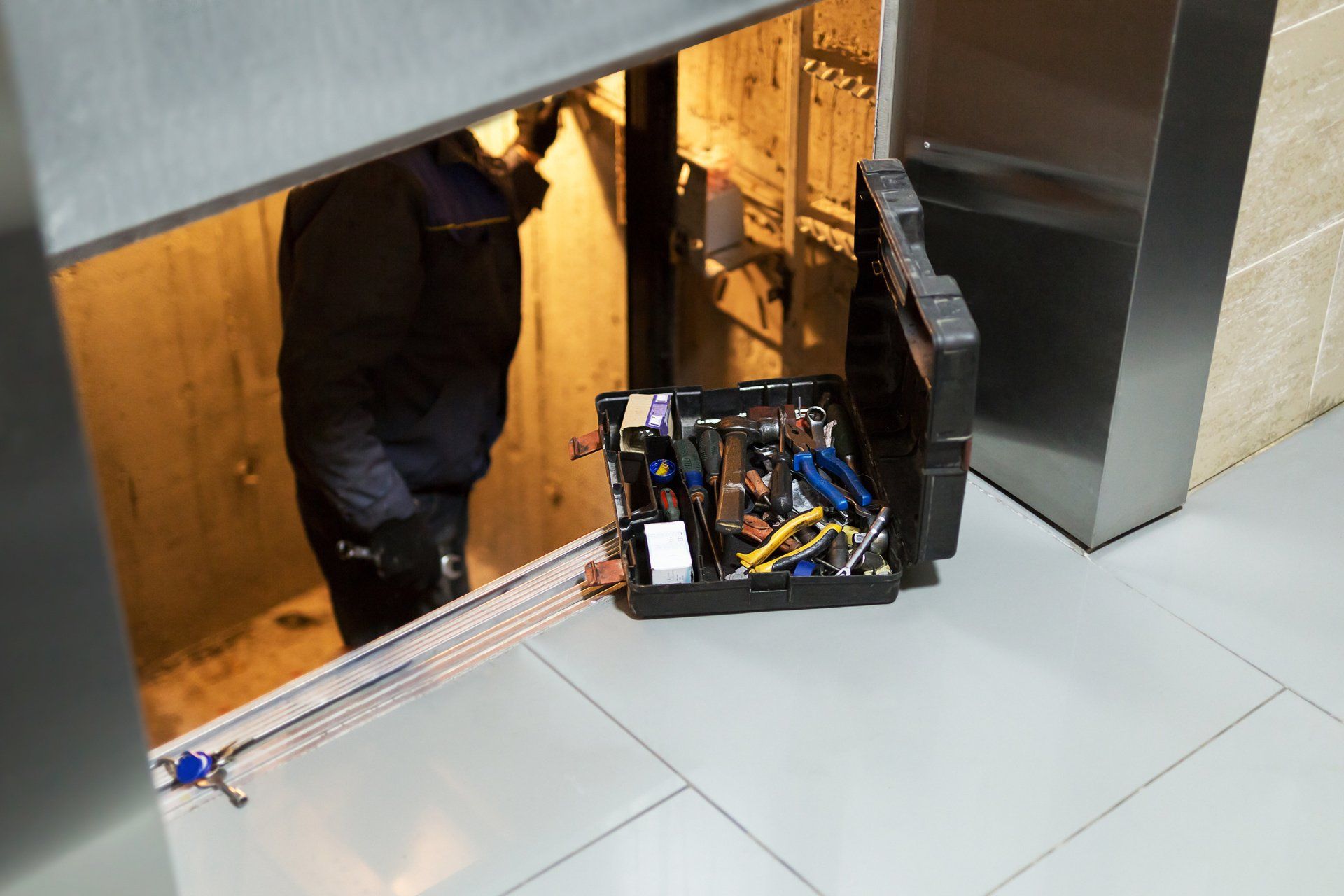
Maintenance visits may become more frequent, and minor issues may recur. While each individual fault can be repaired, repeated disruption often signals that targeted lift modernisation would provide greater long-term benefit.
Replacing outdated patient lifts is not always necessary. In many cases, upgrading critical systems delivers substantial improvements without the cost and disruption of a complete new installation.
What Lift Refurbishment for Medical Centres Involves
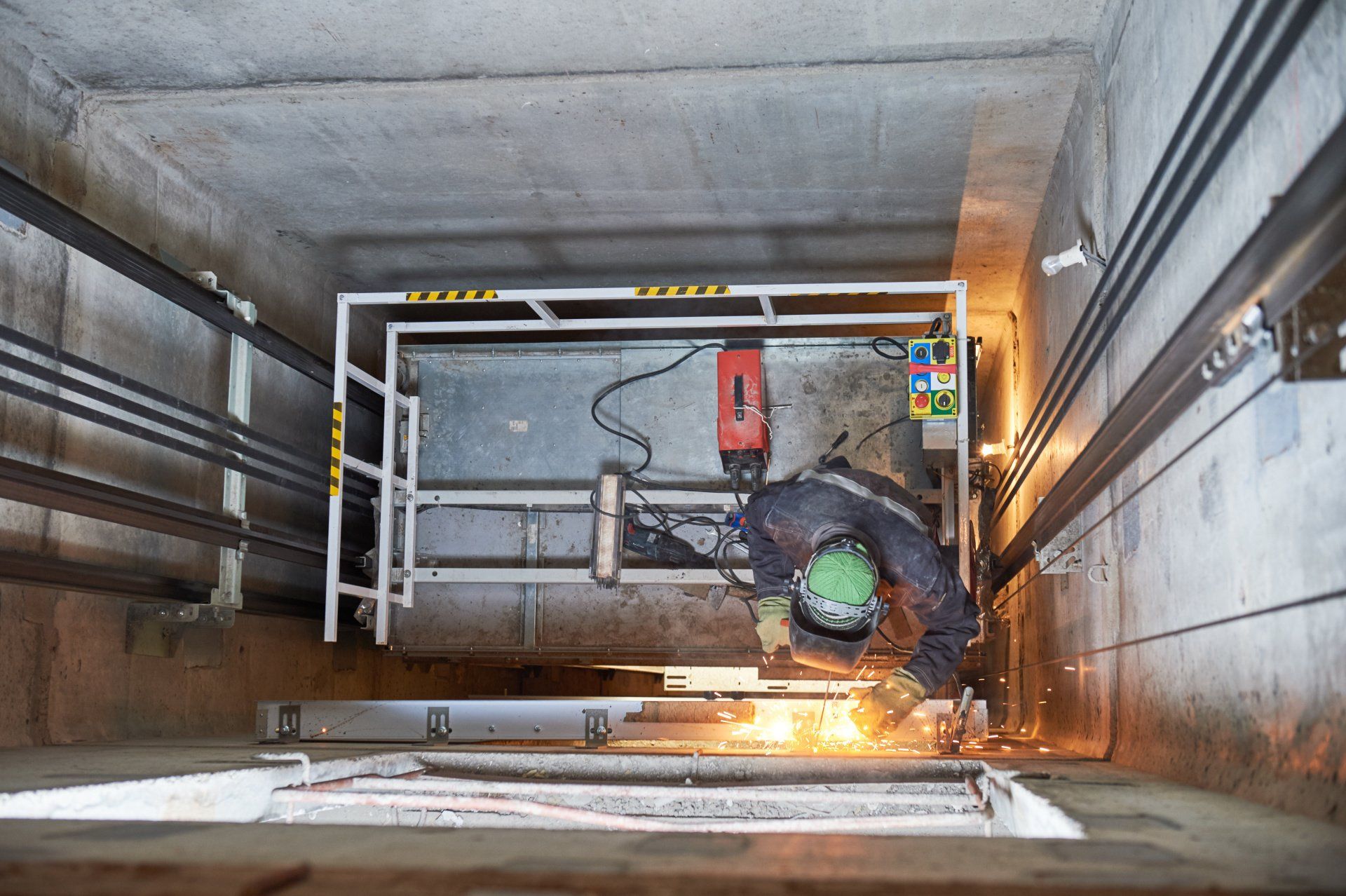
Lift refurbishment in healthcare premises typically focuses on upgrading the components most likely to affect reliability and performance.
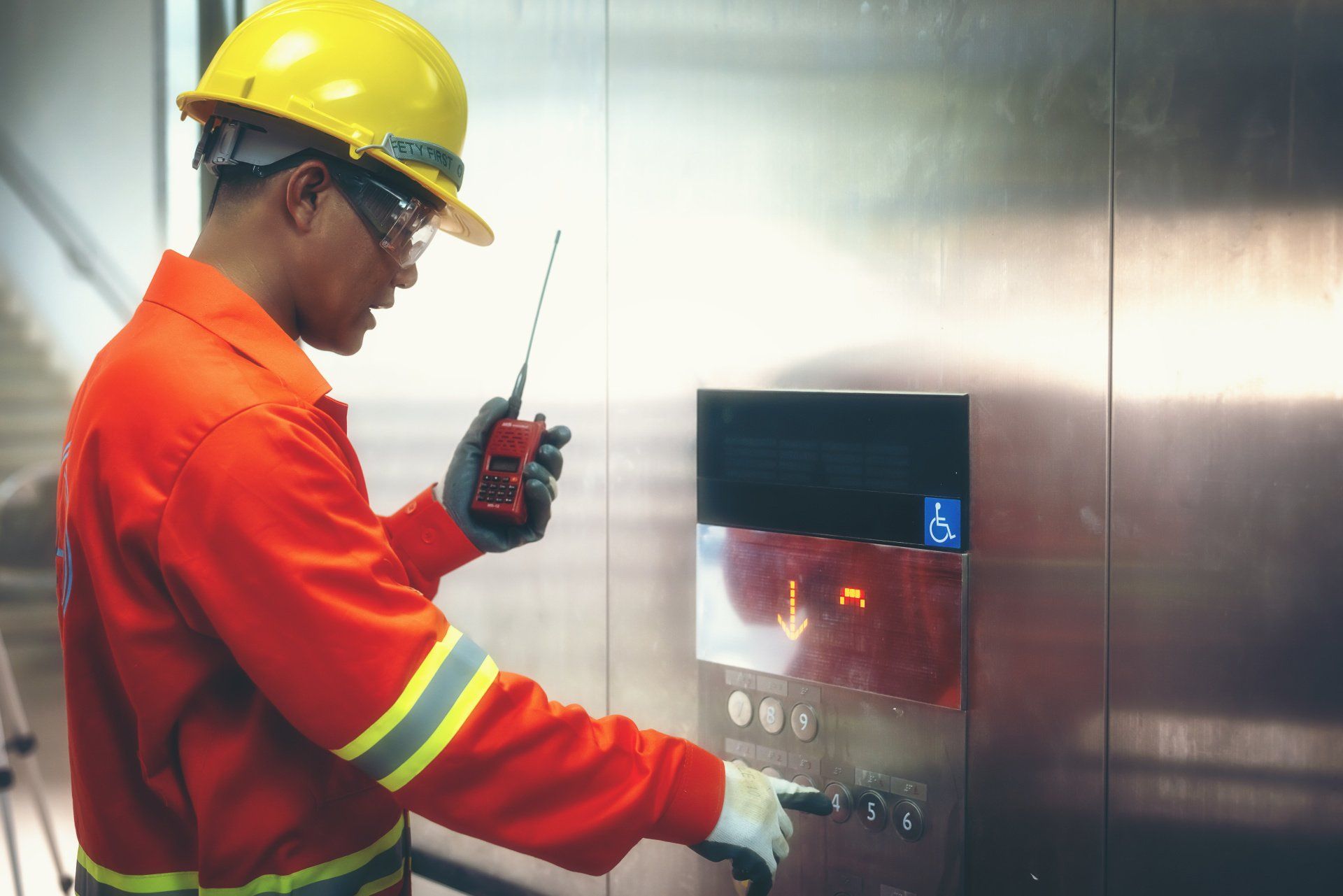
Modern control systems can improve response times and operational accuracy. Updating door equipment can enhance smoothness and reduce unexpected stoppages. Improvements to levelling systems ensure safer, more accurate floor alignment — particularly important for wheelchair users and patient transport.
These updates can significantly reduce downtime while improving the overall experience for patients and staff.
Because refurbishment is planned in advance, works can be scheduled around clinic hours and operational needs. This minimises disruption and allows healthcare providers to maintain service continuity.
Supporting Accessibility and Professional Standards
Healthcare environments demand professionalism and confidence. A lift that feels outdated or unreliable can undermine the overall perception of the facility.
Modernising lifts in healthcare buildings enhances not only mechanical performance but also presentation. Updated interiors, clearer indicators and smoother operation all contribute to a more professional patient experience.
Accessibility lift upgrades for healthcare premises also ensure that buildings remain inclusive and supportive of all users. Accurate levelling, responsive controls and dependable door systems help maintain dignity and comfort for patients.
The Long-Term Benefits of Planned Upgrades
Taking a proactive approach to lift system upgrades for healthcare premises often delivers measurable long-term benefits.
Improved reliability reduces emergency callouts and disruption. Modern components typically require less reactive attention. Upgraded systems can also improve energy efficiency and operational performance.
Perhaps most importantly, planned refurbishment gives clinic operators control. Rather than reacting to unexpected shutdowns, improvements can be scheduled, budgeted and delivered in a structured way.
Planning Ahead for Continued Reliability
If your medical centre lift is ageing, experiencing increasing maintenance visits or struggling to keep up with daily usage, it may be time to consider a structured refurbishment plan.
Lift refurbishment for medical centres is about strengthening reliability, improving patient access and maintaining professional standards — not just fixing faults as they occur.
ACE Elevators Northern works with medical centres and healthcare facilities across the North of England to deliver planned lift modernisation and upgrade programmes. By focusing on reliability, accessibility and minimal disruption, healthcare providers can improve long-term lift performance while maintaining smooth day-to-day operation.
Taking action before performance declines significantly helps ensure that patient access remains safe, dependable and efficient for years to come.