The Benefits of Lift Upgrades for Commercial and Public Buildings
Why Lift Assessments Are Important for Commercial Buildings
Lift systems are used every day in commercial, public, and residential buildings to support accessibility and efficient movement throughout the property. Over time, however, continuous use can place strain on key components, affecting both performance and reliability.
For facilities managers and building owners, understanding the condition of a lift system is essential to maintaining safe and efficient operation. This is where lift assessments play an important role. By evaluating the overall condition and performance of a lift, assessments help identify potential issues before they develop into larger operational problems.
In commercial environments where reliability is critical, regular lift assessments can support safer operation, reduce downtime, and help improve long-term system performance.
What is a lift assessment?
A lift assessment is a detailed review of a lift system designed to evaluate its condition, operational performance, and overall reliability. The purpose of the assessment is to identify signs of wear, ageing components, or areas where performance may be declining.
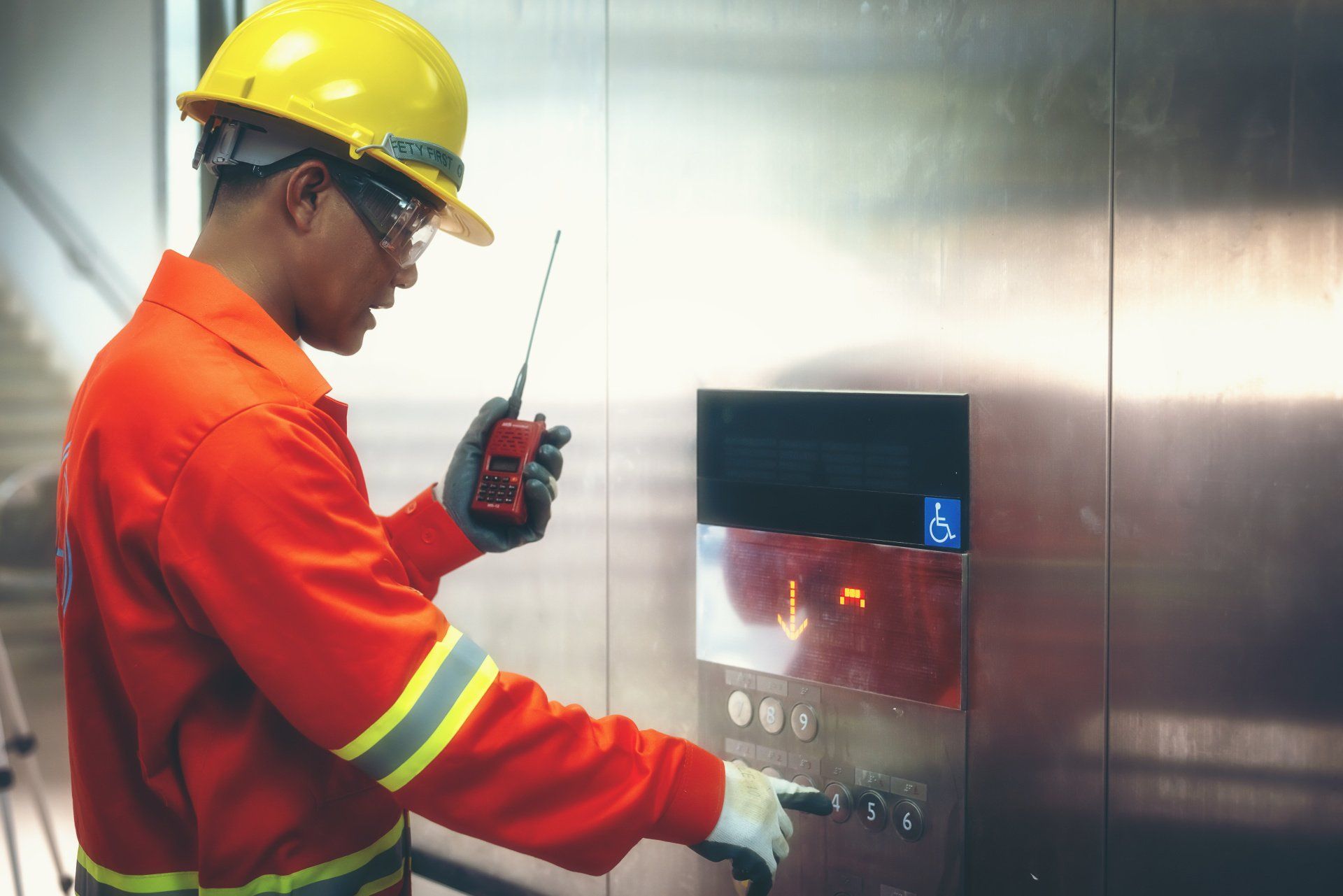
During the process, engineers review how the lift operates, inspect important system components, and assess whether the lift continues to meet the operational demands of the building. Assessments may also highlight opportunities for upgrades, modernisation, or preventative maintenance.
Lift assessments are often used as part of a proactive maintenance strategy to help building owners manage lift performance more effectively.
Why are lift assessments important?
Lift assessments are important because they provide a clearer understanding of how a system is performing over time. In many cases, lift systems may continue operating despite underlying issues that are gradually affecting reliability or efficiency.
Without regular assessments, these problems may go unnoticed until they begin causing faults or breakdowns. This can lead to unexpected disruption within the building, increased repair costs, and reduced lift availability.
By identifying concerns early, lift assessments help building owners take a preventative approach to maintenance and system management. This improves reliability while helping avoid more serious operational issues later.
How do lift assessments improve safety?
One of the key benefits of a lift assessment is improved safety. As lift systems age, components can experience wear that affects how safely and consistently the system operates.
Assessments help identify issues that may impact lift performance, including problems with doors, control systems, stopping accuracy, or emergency functions. By reviewing these areas regularly, engineers can recommend corrective actions before faults begin affecting users.
This proactive approach helps maintain safe operation across the building while supporting long-term lift reliability.
Can lift assessments reduce lift downtime?
Lift downtime can have a major impact on commercial buildings, particularly where lifts are relied upon heavily throughout the day. In offices, retail environments, healthcare settings, and public buildings, even short periods of disruption can affect accessibility and daily operations.
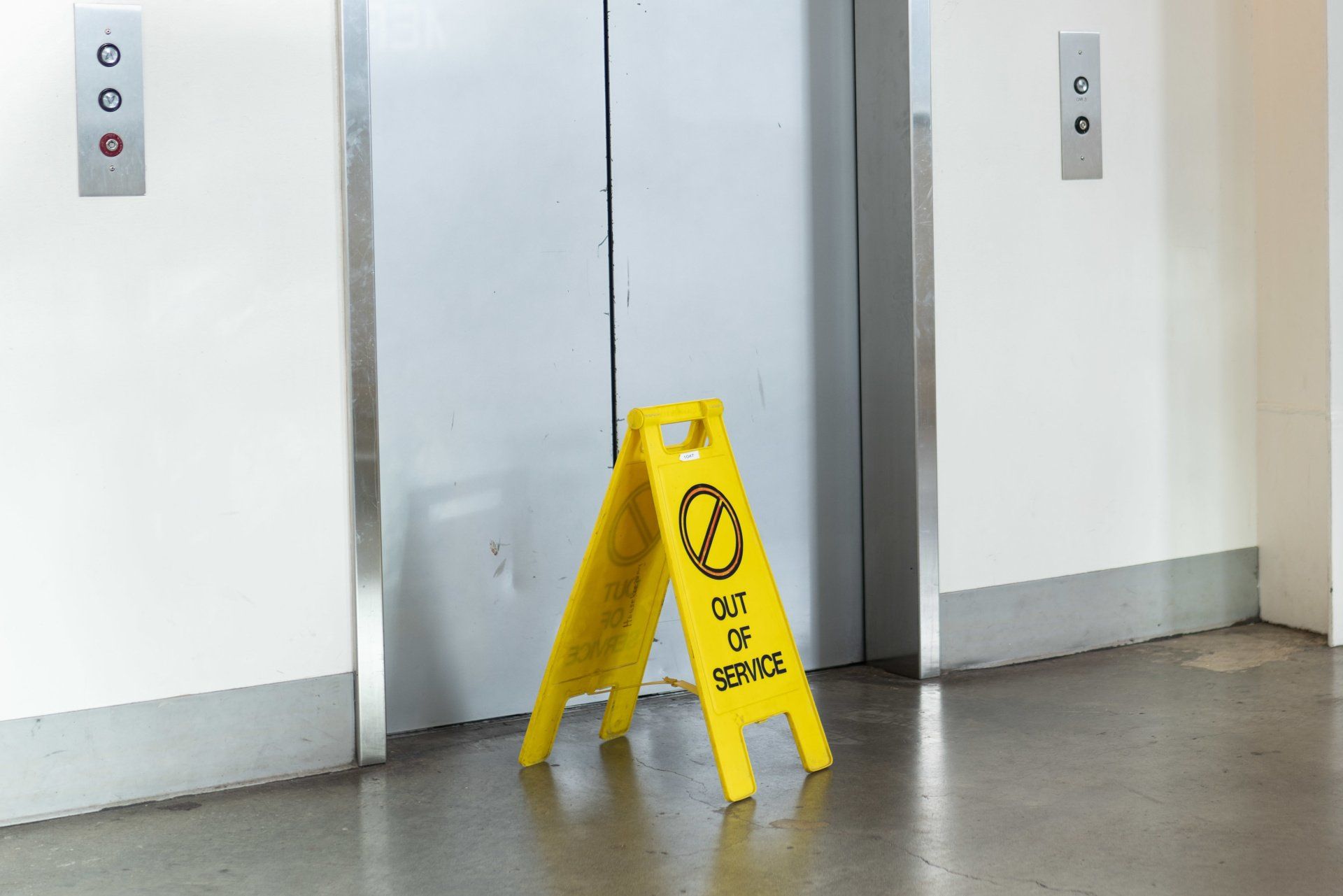
Lift assessments help reduce downtime by identifying developing issues before they result in unexpected breakdowns. Engineers can monitor system condition and recommend maintenance or upgrades where necessary, helping prevent faults from escalating.
By improving visibility into overall lift condition, assessments allow building owners to plan maintenance activities more effectively and minimise operational disruption.
What do engineers look for during a lift assessment?
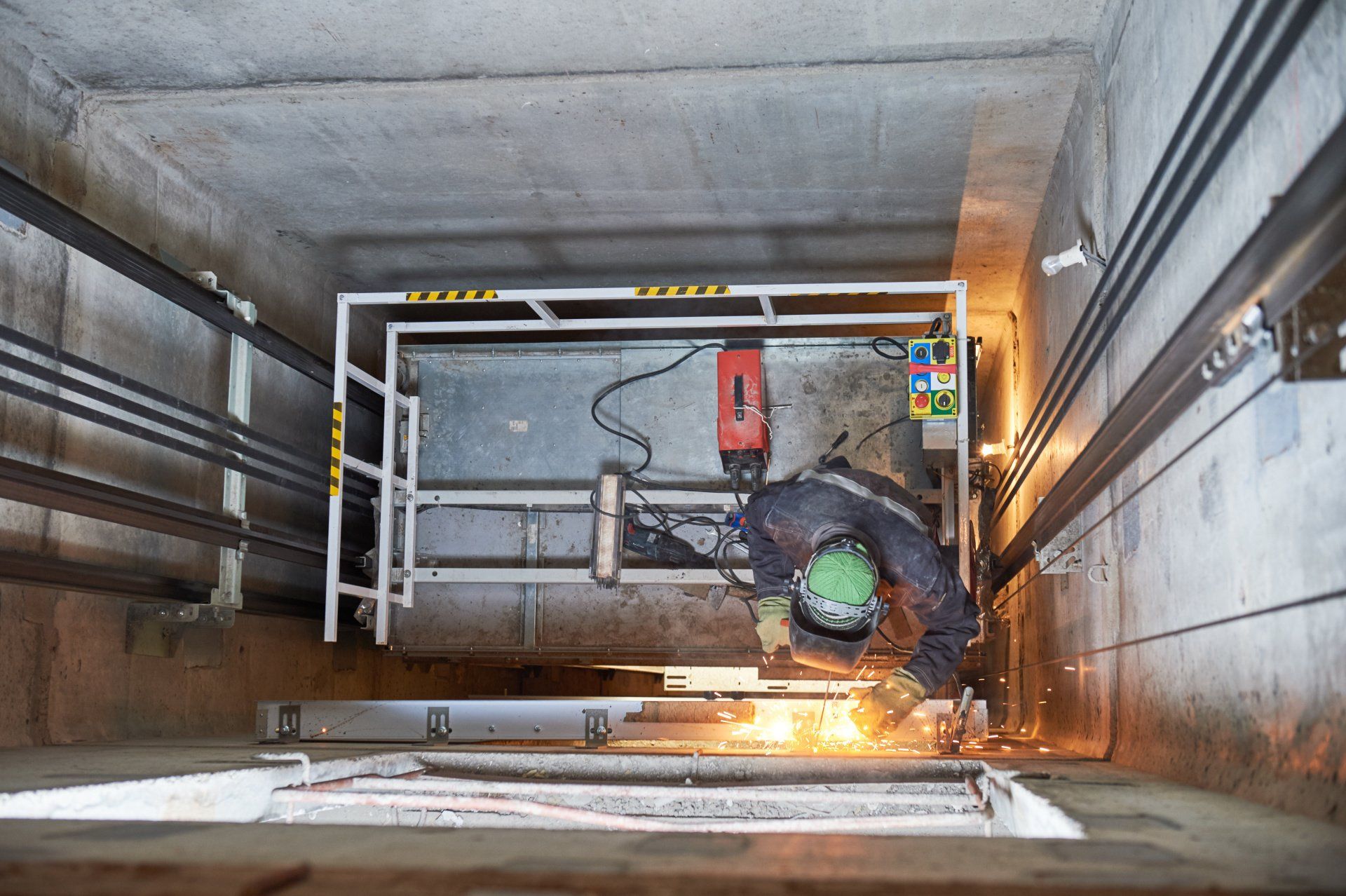
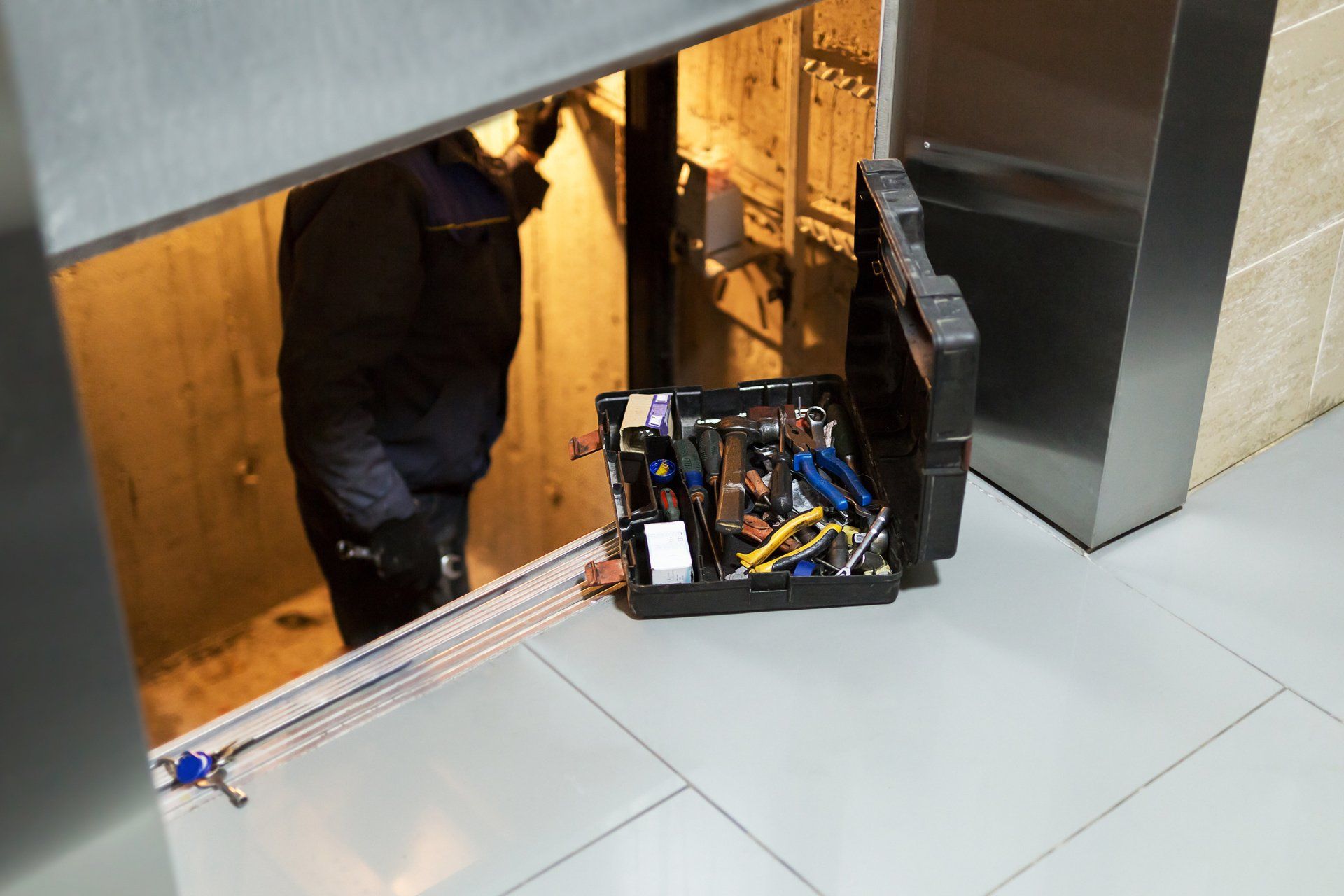
During a lift assessment, engineers review both the physical condition and operational performance of the lift system. This often includes inspecting doors, drive systems, motors, controls, safety mechanisms, and overall lift movement between floors.
The assessment may also consider how the lift is being used within the building. High-traffic environments or changes in occupancy can place additional strain on older systems, affecting performance over time.
In some cases, assessments may identify areas where modernisation or upgrades could improve reliability, efficiency, or long-term operational performance.
How often should lifts be assessed?
The frequency of lift assessments will depend on factors such as building type, lift usage, system age, and operational demands. In commercial environments where lifts experience heavy daily use, regular assessments are often recommended to maintain consistent performance.
Older lift systems may also benefit from more frequent reviews, particularly where reliability concerns or recurring faults have already been identified.
By carrying out routine assessments, facilities managers can monitor lift condition more effectively and ensure that systems continue operating safely and efficiently.
Can lift assessments help extend lift lifespan?
Lift assessments can contribute significantly to extending the lifespan of a lift system. By identifying wear and performance issues early, preventative action can be taken before damage becomes more serious.
This allows maintenance and upgrades to be planned strategically, reducing strain on the system and helping key components continue operating effectively for longer.
For building owners, this proactive approach can improve long-term value by reducing the likelihood of major repairs or premature system replacement.
Why proactive lift management matters
Waiting for a lift system to fail before taking action can lead to increased costs, operational disruption, and avoidable downtime. Lift assessments provide a proactive way to monitor system health and maintain reliable performance over time.
By understanding how a lift system is performing and identifying opportunities for improvement early, building owners can make informed decisions about maintenance, upgrades, and long-term planning.
In commercial environments where lift reliability is essential, proactive lift management helps support safer and more efficient building operation.
Supporting safer and more reliable lift systems
Lift assessments are an important part of maintaining safe, efficient, and reliable lift operation across commercial and public buildings. Through regular reviews and proactive system management, building owners can improve performance, reduce disruption, and support long-term operational reliability.
If your building relies on lift systems every day, regular lift assessments can help ensure that systems continue operating effectively while supporting both safety and performance.