Lift Safety Inspections Explained: What to Expect and Why They Matter
Maintaining Safe and Reliable Lift Operation
Lift systems play a critical role in the day-to-day operation of many buildings, particularly in commercial, residential, and public environments. Ensuring that these systems continue to operate safely and reliably requires regular assessment and monitoring.
Lift safety inspections are an essential part of this process. They help identify potential risks, ensure compliance with safety standards, and support the continued performance of lift systems over time.
What is a lift safety inspection?
A lift safety inspection is a structured assessment of a lift system to ensure that it is operating correctly and safely. These inspections involve a detailed review of both mechanical and electrical components, as well as an evaluation of overall system performance.
The purpose of a safety inspection is to identify any issues that may affect the safe operation of the lift. This includes checking for wear, damage, or faults that could lead to system failure or safety concerns if left unaddressed.
Safety inspections are typically carried out as part of a planned maintenance approach, but they may also be conducted independently to assess system condition.
Why are lift safety inspections important?
Lift safety inspections are important because they help ensure that systems continue to operate in a safe and controlled manner. Without regular inspections, faults may go unnoticed and develop into more serious issues over time.
By identifying potential risks early, inspections allow for timely intervention and reduce the likelihood of breakdowns or unsafe operation. This helps protect building users and ensures that lifts remain suitable for continued use.
In addition, safety inspections support compliance with relevant standards and regulations. Maintaining compliance is essential for building owners and operators, particularly in environments where lift reliability is critical.
What is checked during a lift safety inspection?
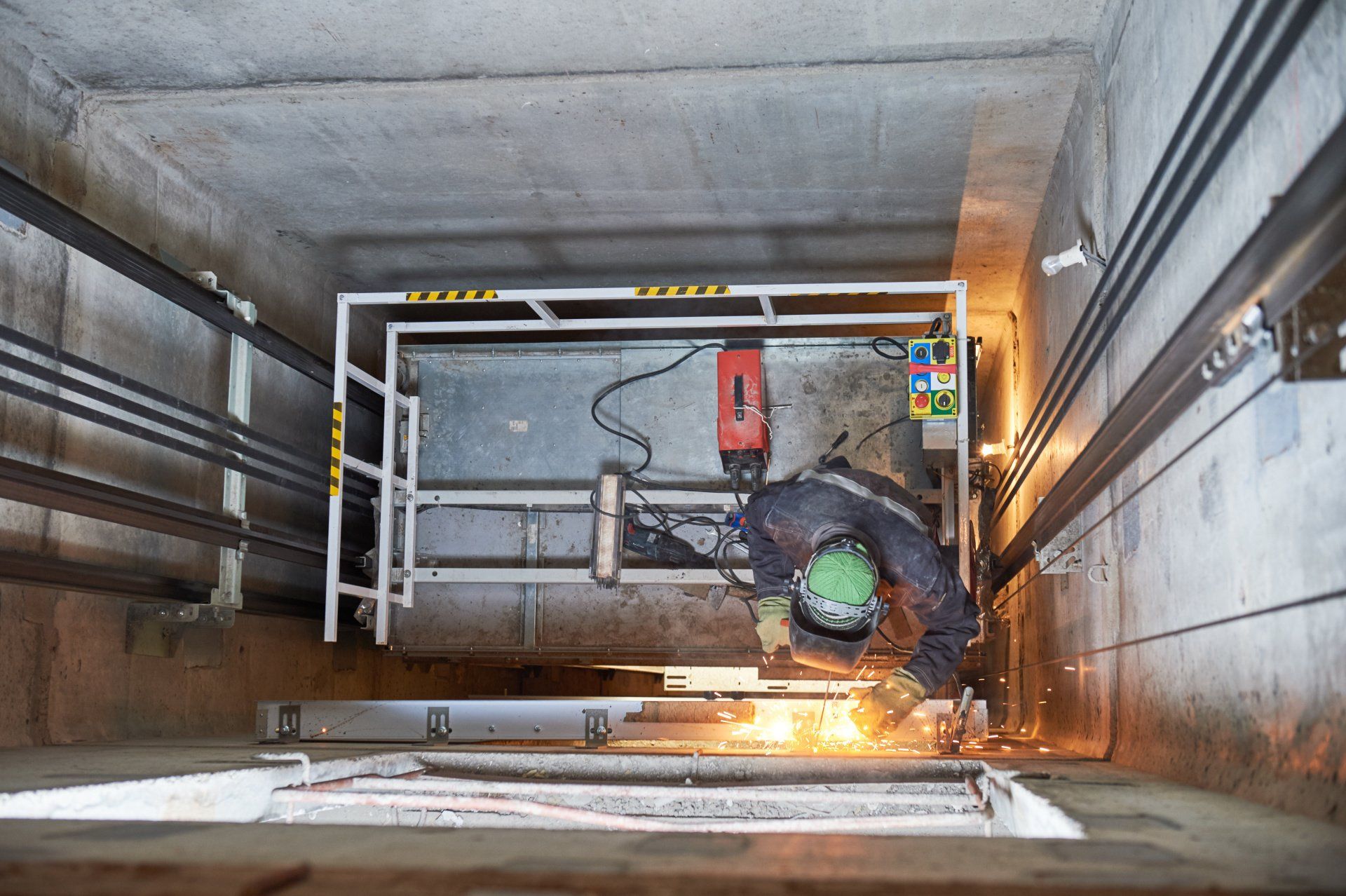
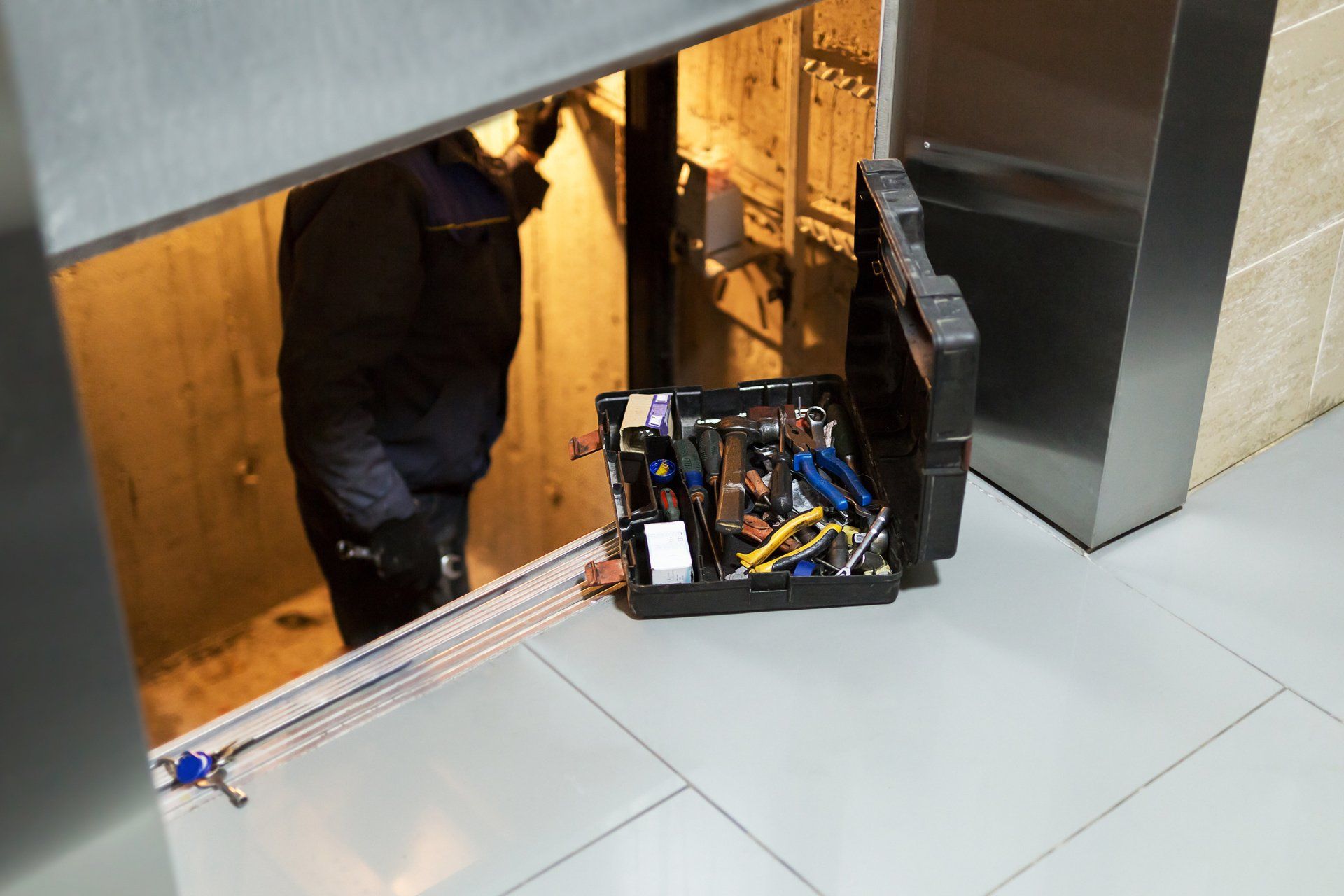
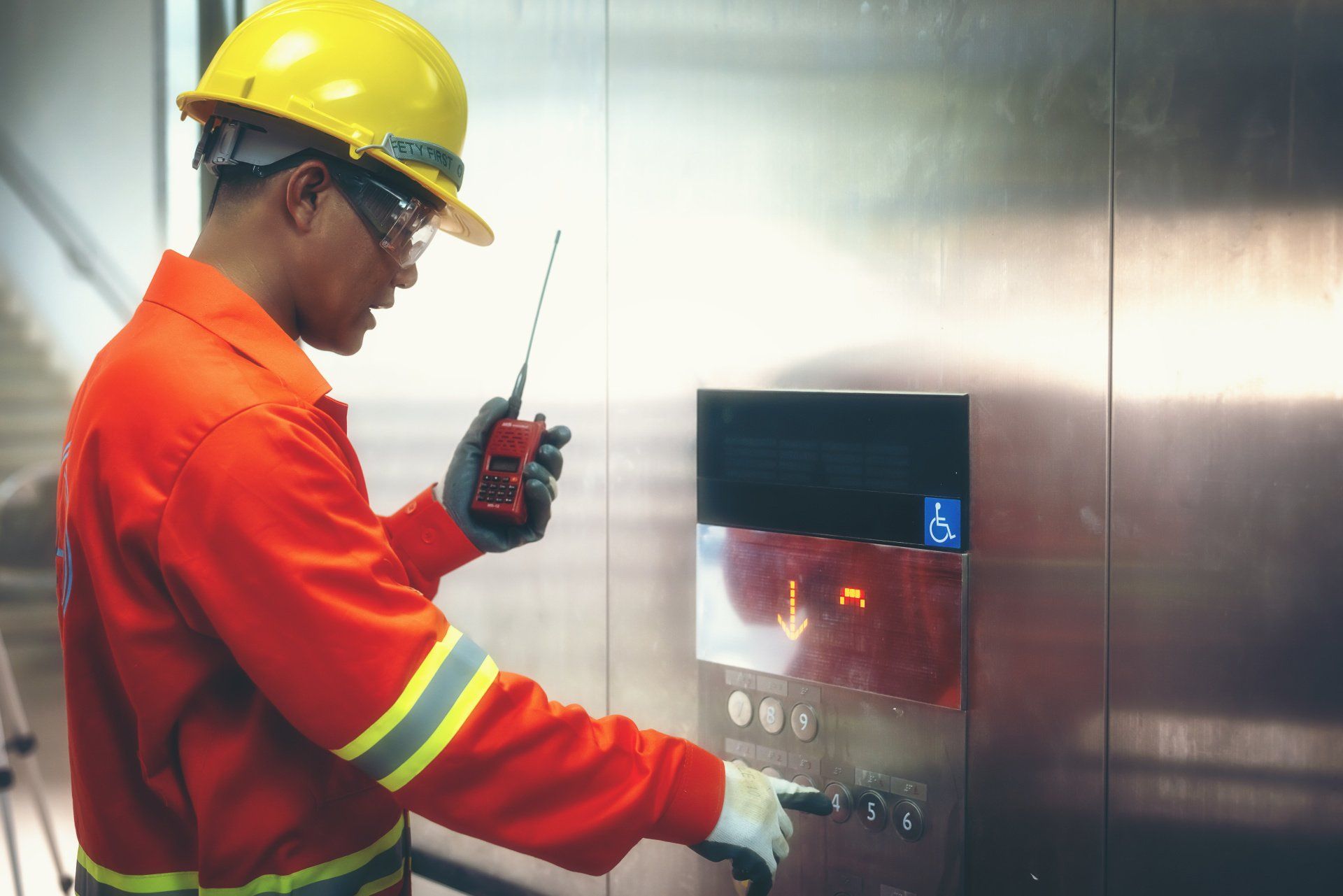
During a safety inspection, engineers assess a wide range of components and systems to ensure that the lift is functioning correctly. This includes reviewing mechanical elements such as cables, pulleys, and door mechanisms, as well as electrical systems including control panels and sensors.
The inspection also considers how the lift performs during operation. Engineers may assess movement between floors, stopping accuracy, and door functionality to ensure that the system responds as expected.
Any signs of wear, damage, or irregular performance are recorded, allowing for further investigation or corrective action where necessary.
How often should lift safety inspections be carried out?
The frequency of lift safety inspections will depend on factors such as usage, building type, and system condition. In general, lifts that are used frequently or are located in high-traffic environments may require more regular inspections.
Regular inspections are often integrated into ongoing maintenance schedules to ensure consistent monitoring of system performance. In some cases, additional inspections may be required to meet specific compliance requirements or to assess the condition of older systems.
Establishing a structured inspection schedule helps ensure that lifts remain safe and that potential issues are identified at an early stage.
What are the risks of not carrying out safety inspections?
Failing to carry out regular safety inspections can increase the risk of faults developing unnoticed. Over time, this can lead to reduced performance, unexpected breakdowns, or safety concerns.
Without inspections, minor issues may escalate into more significant problems that require more extensive repairs. This can result in increased downtime and disruption within the building.
In addition, a lack of regular inspection may affect compliance with safety requirements, which can have implications for building management and operation.
How do safety inspections support long-term performance?
Safety inspections play an important role in maintaining long-term lift performance by ensuring that systems are regularly assessed and maintained. By identifying issues early, building owners can take a proactive approach to maintenance and reduce the likelihood of major faults.
This approach helps to improve reliability, extend the lifespan of lift equipment, and support consistent operation. It also allows for better planning of repairs and upgrades, ensuring that systems continue to meet operational requirements.
Regular inspections provide valuable insight into system condition, helping to inform decisions about maintenance and potential improvements.
Integrating inspections into a maintenance strategy
Lift safety inspections are most effective when they form part of a broader maintenance strategy. By combining inspections with regular servicing and performance monitoring, building owners can ensure that lifts are maintained in a structured and consistent way.
This integrated approach helps reduce risk, improve efficiency, and support safe operation across the building. It also ensures that maintenance activities are carried out in a planned and controlled manner, minimising disruption to users.
Need support with lift safety inspections?
If you require guidance on lift safety inspections or want to ensure your system remains compliant and reliable, professional inspection and maintenance services can help support safe and consistent operation.