When Should a Lift Be Modernised? Signs Your System Needs an Upgrade
Understanding When Lift Modernisation Becomes Necessary
Lift systems are designed to provide reliable operation over many years, but no system lasts forever without requiring updates or improvements. As buildings evolve and usage increases, older lift systems can begin to show signs of reduced performance, reliability issues, and increased maintenance requirements.
For commercial buildings, public facilities, and residential developments, understanding when a lift should be modernised is essential to maintaining safe and efficient operation. In many cases, upgrading an existing system can improve reliability, reduce downtime, and extend the lifespan of the lift without requiring full replacement.
What is lift modernisation?
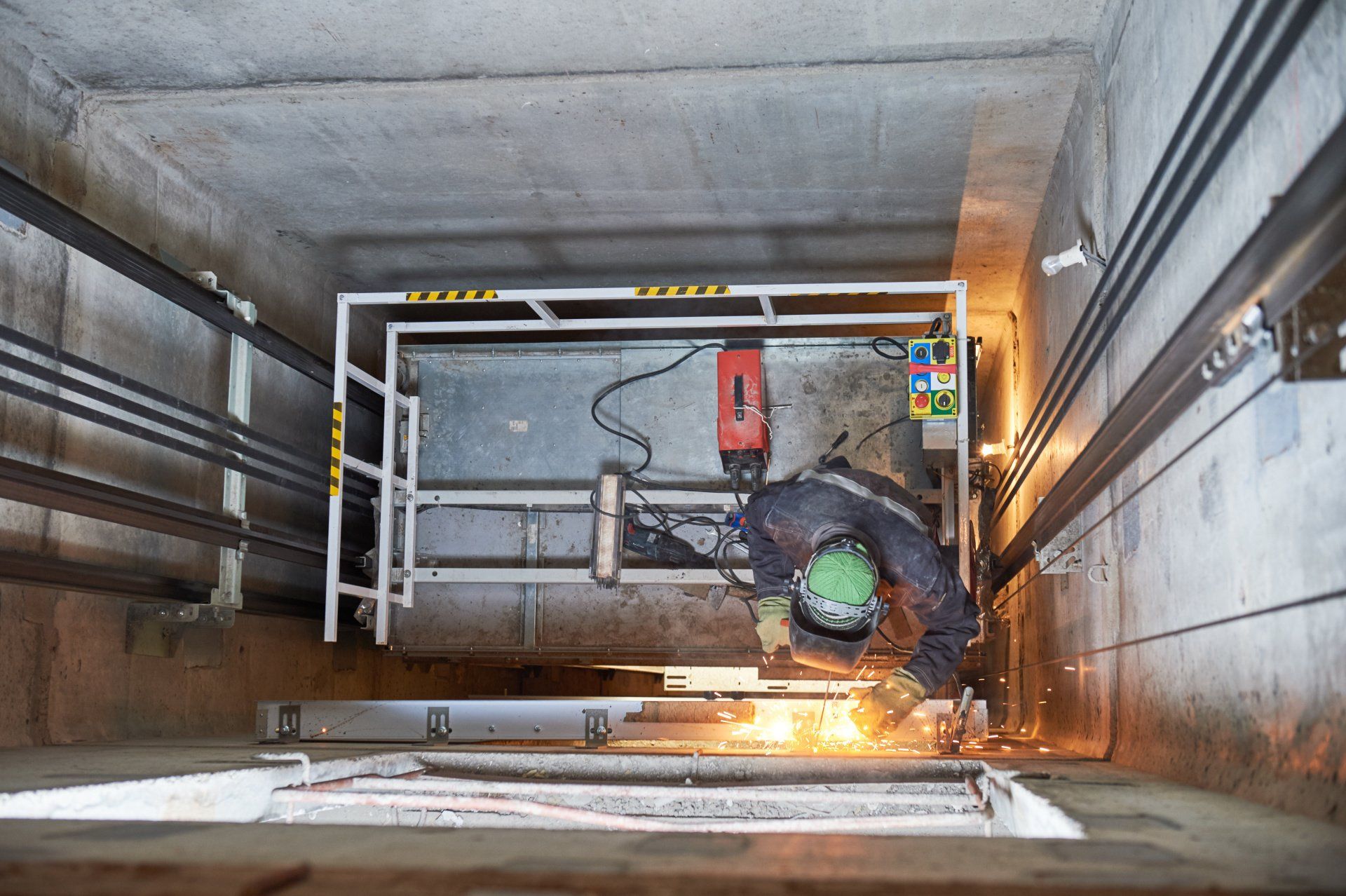
Lift modernisation involves upgrading or replacing key components within an existing lift system to improve performance, safety, and reliability. Rather than removing the entire installation, modernisation focuses on improving critical parts of the system such as control panels, drive systems, doors, and safety mechanisms.
This approach allows building owners to improve how the lift operates while minimising disruption within the building. Lift modernisation is commonly used to address ageing systems, recurring faults, or changing building requirements.
In many commercial environments, lift upgrades are a practical long-term solution for improving performance without the cost and disruption associated with complete replacement.
How do you know when a lift needs modernisation?
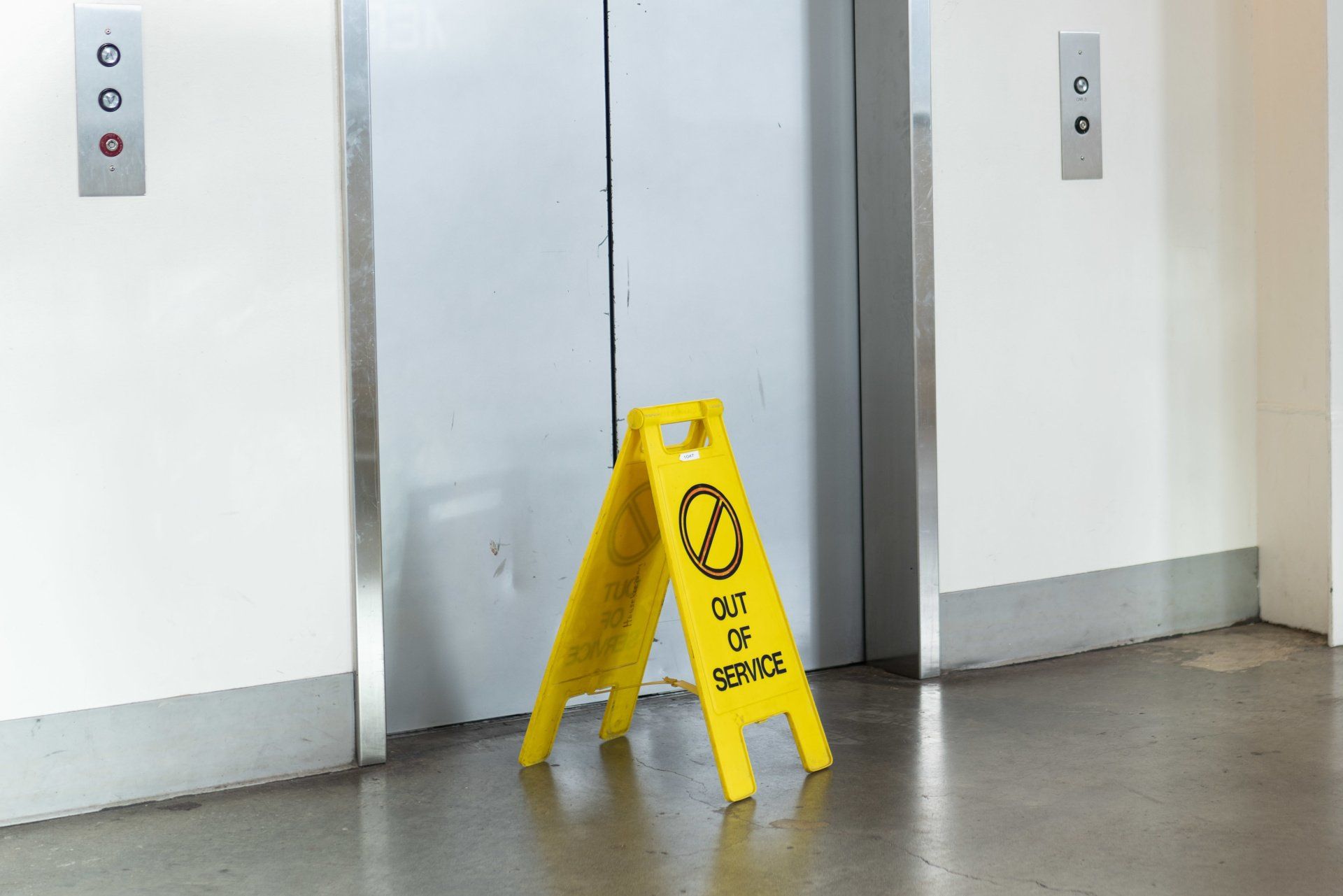
There are several signs that may indicate a lift system is becoming outdated or struggling to meet operational demands. One of the most common indicators is an increase in breakdowns or recurring faults. If repairs are becoming more frequent, this may suggest that key components are reaching the end of their lifespan.
Another common sign is inconsistent performance. Delays between floors, slow operation, inaccurate stopping, or unreliable door movement can all indicate that the system is no longer operating efficiently. In busy commercial buildings, these issues can quickly affect day-to-day operations and user experience.
Older lift systems may also lack the efficiency and performance expected in modern buildings. As technology evolves, outdated control systems and ageing components can reduce reliability and make maintenance more difficult over time.
What are the benefits of lift modernisation?
Lift modernisation can significantly improve overall system performance. Upgrading key components helps lifts operate more smoothly and reliably, reducing the likelihood of faults and improving user confidence.
One of the main benefits of lift upgrades is improved reliability. Modern systems are designed to operate more efficiently and respond better to daily usage demands, helping reduce unexpected downtime. This is particularly important in commercial buildings where lift availability is essential for staff, visitors, and customers.
Modernisation can also improve lift safety by replacing ageing components and ensuring that systems continue to operate in line with current expectations. In addition, upgrading outdated systems may improve energy efficiency and reduce long-term maintenance costs.
For building owners, lift modernisation can extend the operational lifespan of the existing system while improving overall building functionality.
When should commercial lifts be upgraded?
Commercial lifts should be considered for upgrades when performance issues begin to affect reliability or operational efficiency. In office buildings, retail environments, and public facilities, even minor disruptions can impact how the building functions on a daily basis.
Frequent lift repairs, increasing maintenance costs, or ongoing reliability concerns are often clear indicators that modernisation should be explored. In some cases, lifts may still operate but no longer perform at the level required for the building’s current demands.
Changes in occupancy or increased building usage can also place additional strain on older systems. Upgrading the lift helps ensure that the system can continue to support the building effectively as requirements evolve.
Can lift modernisation improve safety and compliance?
Modern lift upgrades can play an important role in improving both safety and compliance. As systems age, components may become less reliable or no longer align with current standards and operational expectations.
Modernisation allows outdated elements to be replaced with newer technology designed to improve system control, operational accuracy, and overall reliability. This helps reduce the risk of faults while supporting safer lift operation across the building.
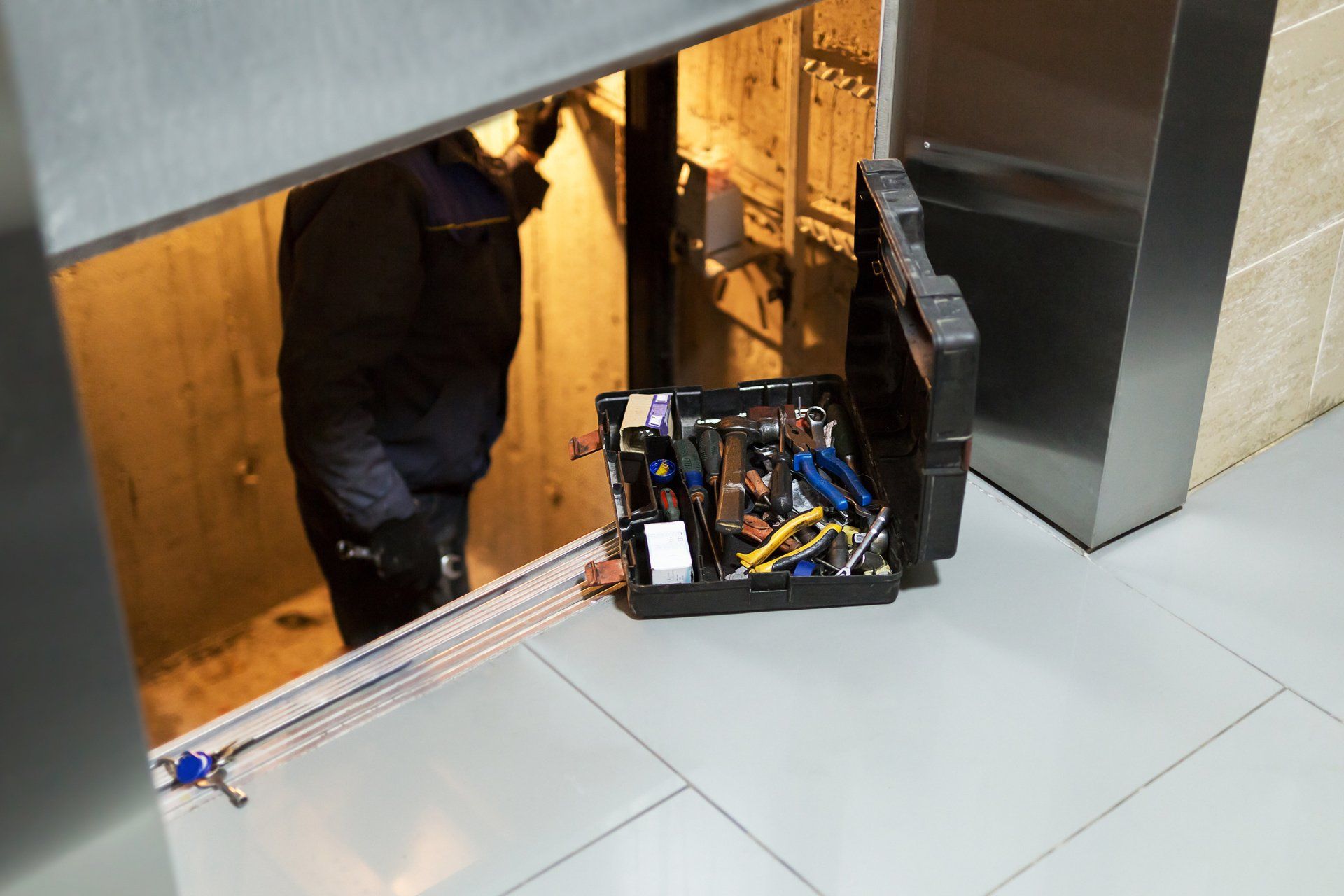
Regular lift assessments and condition surveys can help identify areas where upgrades may be beneficial, allowing building owners to take a proactive approach to system improvement.
Is lift modernisation better than full replacement?
In many cases, lift modernisation provides a more practical and cost-effective solution than complete replacement. By upgrading specific components rather than removing the entire system, disruption within the building can often be reduced significantly.
Modernisation also allows building owners to improve lift performance while retaining much of the existing infrastructure. This makes it a suitable option for buildings where a full replacement may not be necessary.
The right approach will depend on the condition of the lift system, the age of the installation, and the operational requirements of the building. A professional lift assessment can help determine whether upgrades or replacement would provide the most effective long-term solution.
Why proactive lift upgrades matter
Waiting until a lift system begins to fail completely can lead to increased downtime, disruption, and higher repair costs. Taking a proactive approach to lift upgrades helps identify issues early and allows improvements to be planned more effectively.
For facilities managers and building owners, modernisation is not only about fixing faults but also about improving long-term reliability and ensuring that lifts continue to support the needs of the building.
Investing in lift modernisation at the right time can help improve safety, performance, and operational efficiency while reducing the likelihood of unexpected failures.
Supporting long-term lift performance
Lift systems are a critical part of many buildings, and maintaining reliable operation is essential for both accessibility and day-to-day functionality. Recognising the signs that a lift may require modernisation allows building owners to take a proactive approach to system performance and reliability.
If your lift system is experiencing recurring faults, reduced performance, or increasing maintenance requirements, professional lift assessments and upgrade solutions can help support safer and more efficient operation.