What Are the Lift Requirements for Healthcare and Public Buildings?
Understanding Lift Use in Critical Environments
Lift systems play a vital role in healthcare and public buildings, where accessibility, safety, and reliability are essential. In environments such as hospitals, care homes, and public facilities, lifts are not only used for convenience but are often critical to daily operations.
Patients, staff, visitors, and equipment all rely on lifts to move safely and efficiently throughout the building. Because of this, the requirements for lift systems in these environments are typically more demanding than in standard commercial settings.
Understanding these requirements helps ensure that lifts continue to operate reliably while meeting the needs of both users and building operators.
What are the lift requirements for healthcare buildings?
Healthcare environments place specific demands on lift systems due to the nature of their use. Lifts must be capable of handling a wide range of functions, from transporting patients and medical staff to moving equipment and supplies.
Reliability is one of the most important requirements. In hospitals and care facilities, lift downtime can have a direct impact on operations, particularly where patient movement is involved. For this reason, systems must be maintained to a high standard and supported by regular servicing.
Accessibility is also essential. Lifts must provide safe and convenient access for all users, including those with limited mobility. This requires consistent performance, smooth operation, and accurate stopping at each floor.
In addition, lift systems in healthcare settings must be designed to operate efficiently under continuous use, as demand is often high throughout the day and night.
Why is lift reliability critical in healthcare settings?
Lift reliability is particularly important in healthcare environments because systems are often used in time-sensitive situations. Delays caused by faults or breakdowns can affect patient care and disrupt essential services.
In busy hospitals, lifts may be required for moving patients between departments, transporting equipment, or supporting emergency response activities. Any interruption to lift operation can create delays that impact staff efficiency and patient experience.
Maintaining reliable lift performance helps ensure that movement within the building remains consistent, allowing staff to carry out their roles without unnecessary disruption.
How are lift requirements different in public buildings?
Public buildings, such as transport hubs, council offices, and leisure facilities, also require reliable lift systems, although the nature of usage may vary.
In these environments, lifts must be capable of handling large volumes of users, often during peak periods. This places additional strain on components and increases the importance of regular maintenance.
Accessibility remains a key requirement, particularly in buildings that are open to the public. Lifts must provide safe and convenient access for all users, including those with mobility needs, prams, or heavy items.
In addition, lifts in public buildings must operate consistently to support the overall flow of people through the space. Any disruption can affect user experience and create congestion within the building.
What role does lift maintenance play in healthcare and public environments?
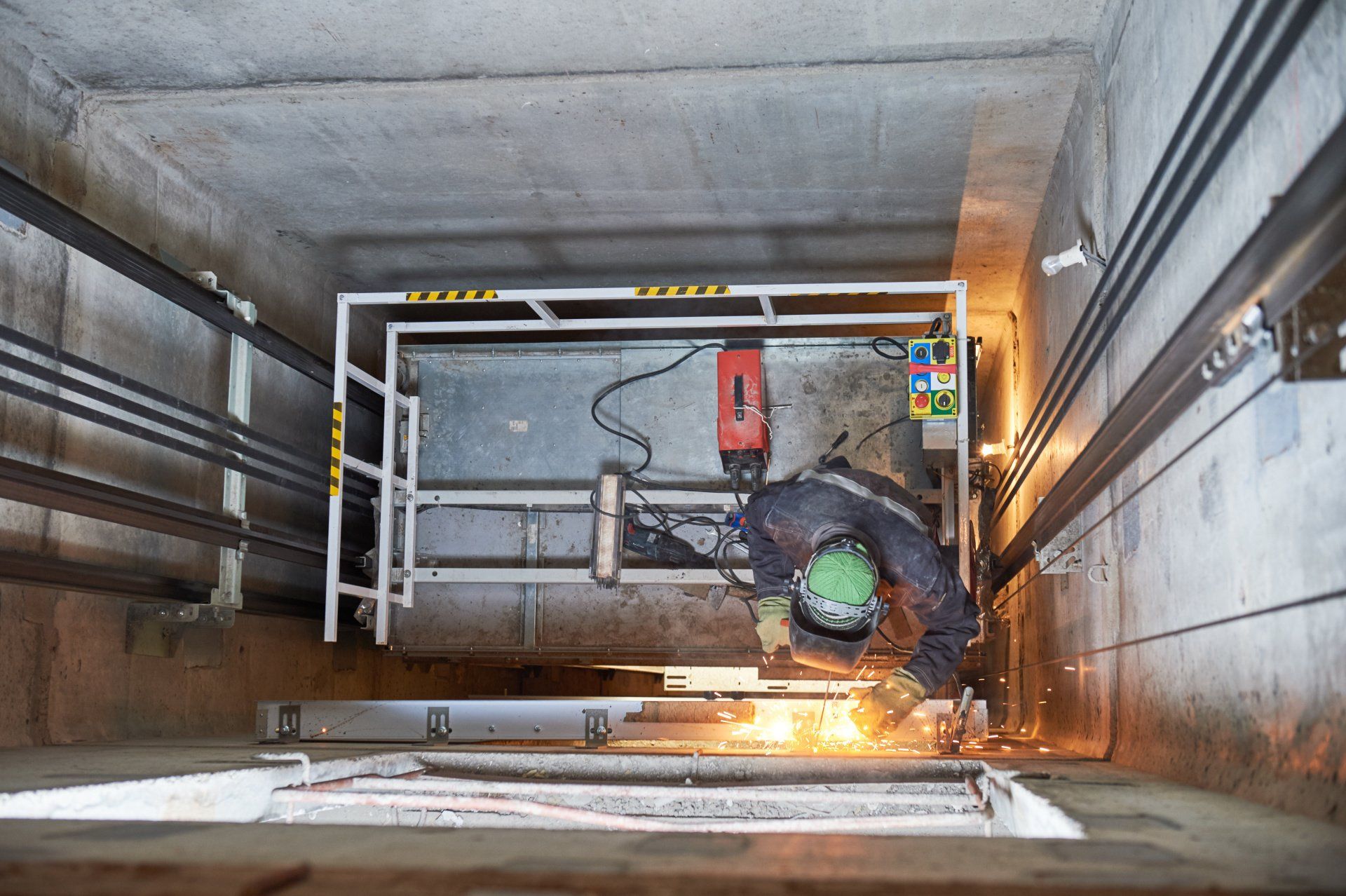
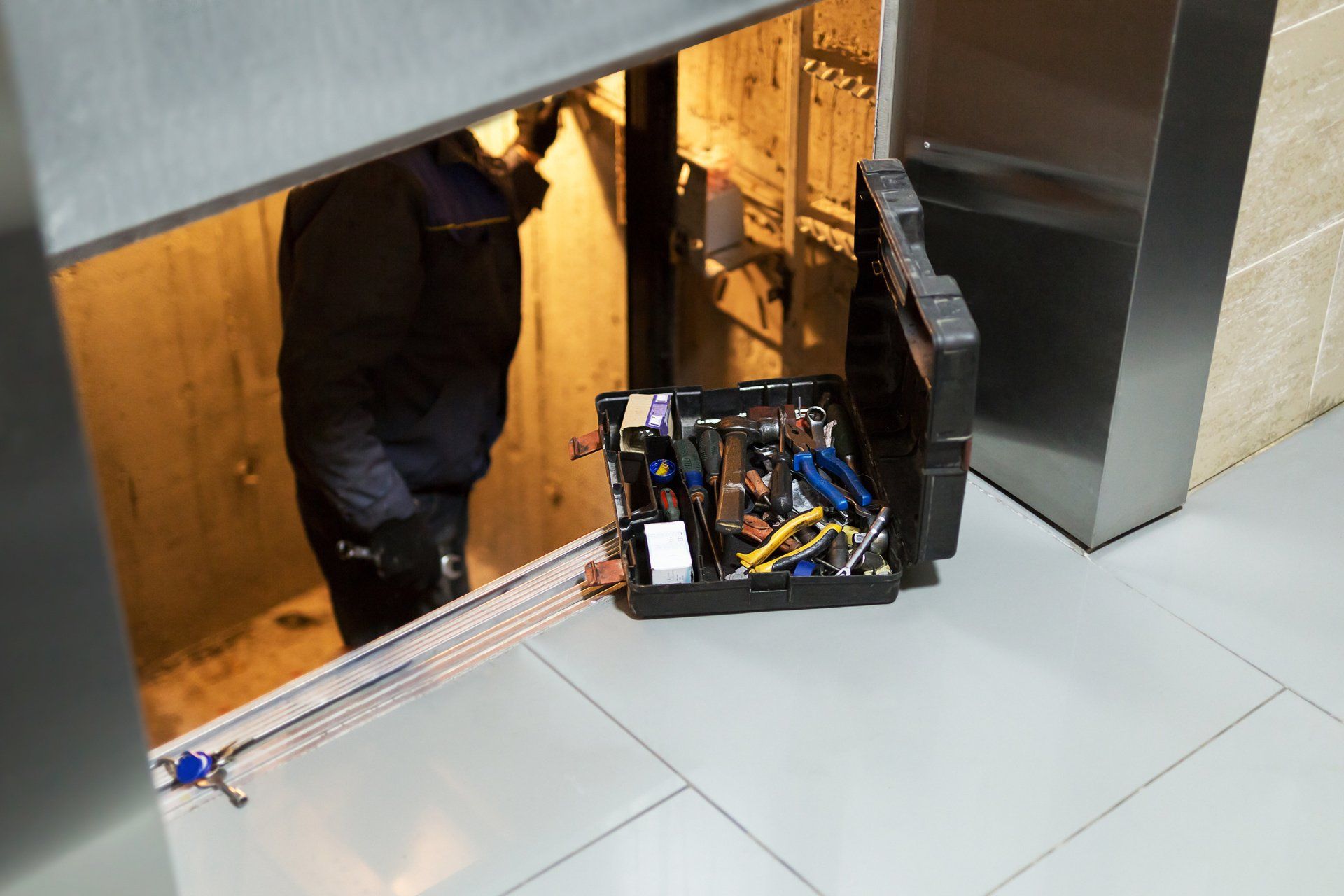
Regular lift maintenance is essential for ensuring that systems continue to meet the demands of healthcare and public buildings. By carrying out routine servicing, engineers can monitor system condition and address potential issues before they affect performance.
Maintenance helps ensure that lifts remain reliable, reducing the risk of unexpected breakdowns and supporting consistent operation. This is particularly important in environments where lift downtime can have wider implications for building functionality.
A structured maintenance plan also helps ensure that systems remain compliant with safety standards, which is a key consideration for building operators.
How can lift systems be improved in these environments?
In some cases, existing lift systems may need to be upgraded or modernised to meet current requirements. As buildings evolve and usage increases, older systems may struggle to maintain performance.
Upgrading key components, such as control systems or door mechanisms, can improve efficiency and reliability. This helps ensure that lifts continue to meet the needs of users while supporting safe operation.
Regular condition assessments can help identify areas where improvements are needed, allowing building owners to plan upgrades in a controlled and effective way.
What should building managers prioritise?
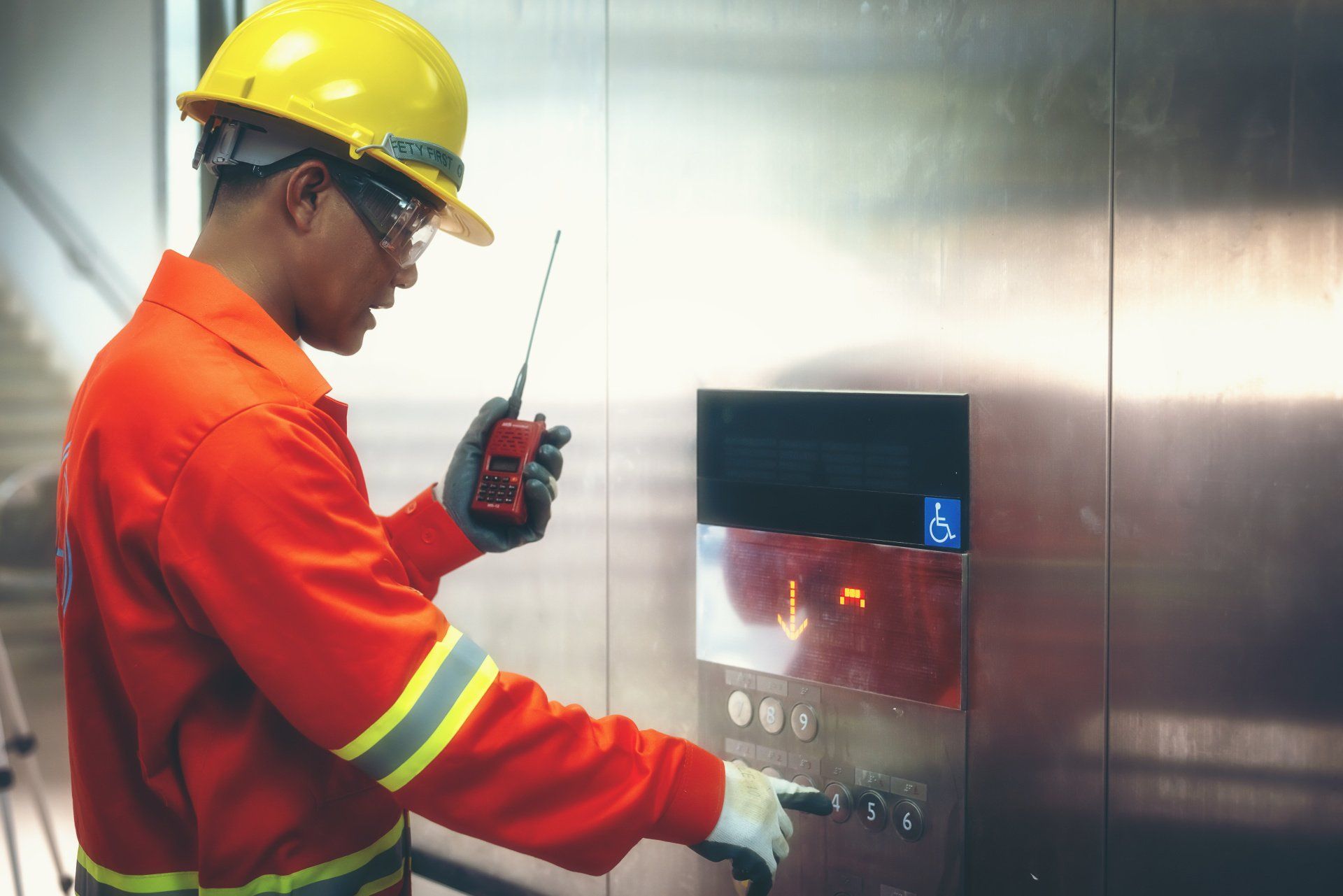
Building managers responsible for healthcare and public facilities should prioritise reliability, safety, and accessibility when managing lift systems. Ensuring that lifts are regularly serviced and inspected helps maintain performance and reduce the risk of faults.
Monitoring system performance over time also provides valuable insight into how lifts are being used and whether improvements may be required. This allows for a more proactive approach to maintenance and system management.
By focusing on these key areas, building managers can ensure that lift systems continue to support safe and efficient operation across the building.
Supporting safe and reliable lift operation in critical environments
Lift systems are a fundamental part of healthcare and public buildings, supporting movement, accessibility, and day-to-day operations. Ensuring that these systems remain reliable requires a structured approach to maintenance, monitoring, and ongoing improvement.
If your building relies on lift systems to support essential services, regular servicing and performance management can help ensure safe, consistent, and efficient operation.