How Lift Reliability Impacts Business Operations in Offices, Retail, and Industrial Settings

Why Lift Reliability Matters in Commercial Environments

In many commercial buildings, lift systems are a critical part of daily operations. Whether in offices, retail spaces, or industrial facilities, lifts are relied upon to move people, goods, and equipment efficiently throughout the building.


When lifts operate reliably, they support smooth business activity and ensure that staff, customers, and visitors can move without disruption. However, when reliability is compromised, even minor faults can quickly affect productivity, accessibility, and overall building performance.


Understanding how lift reliability impacts business operations is essential for facilities managers and building owners responsible for maintaining efficient working environments.


What is lift reliability and why is it important?

Lift reliability refers to the ability of a lift system to operate consistently without faults or interruptions. In commercial settings, where lifts are used frequently throughout the day, reliability is essential to maintaining normal operations.


A reliable lift system ensures that movement within the building is efficient and predictable. This is particularly important in environments where delays or restricted access can affect business performance, such as office buildings during peak hours or retail spaces with high customer footfall.


Maintaining lift reliability also helps reduce the risk of unexpected breakdowns, which can cause disruption and require immediate attention.


How do lift breakdowns affect business operations?

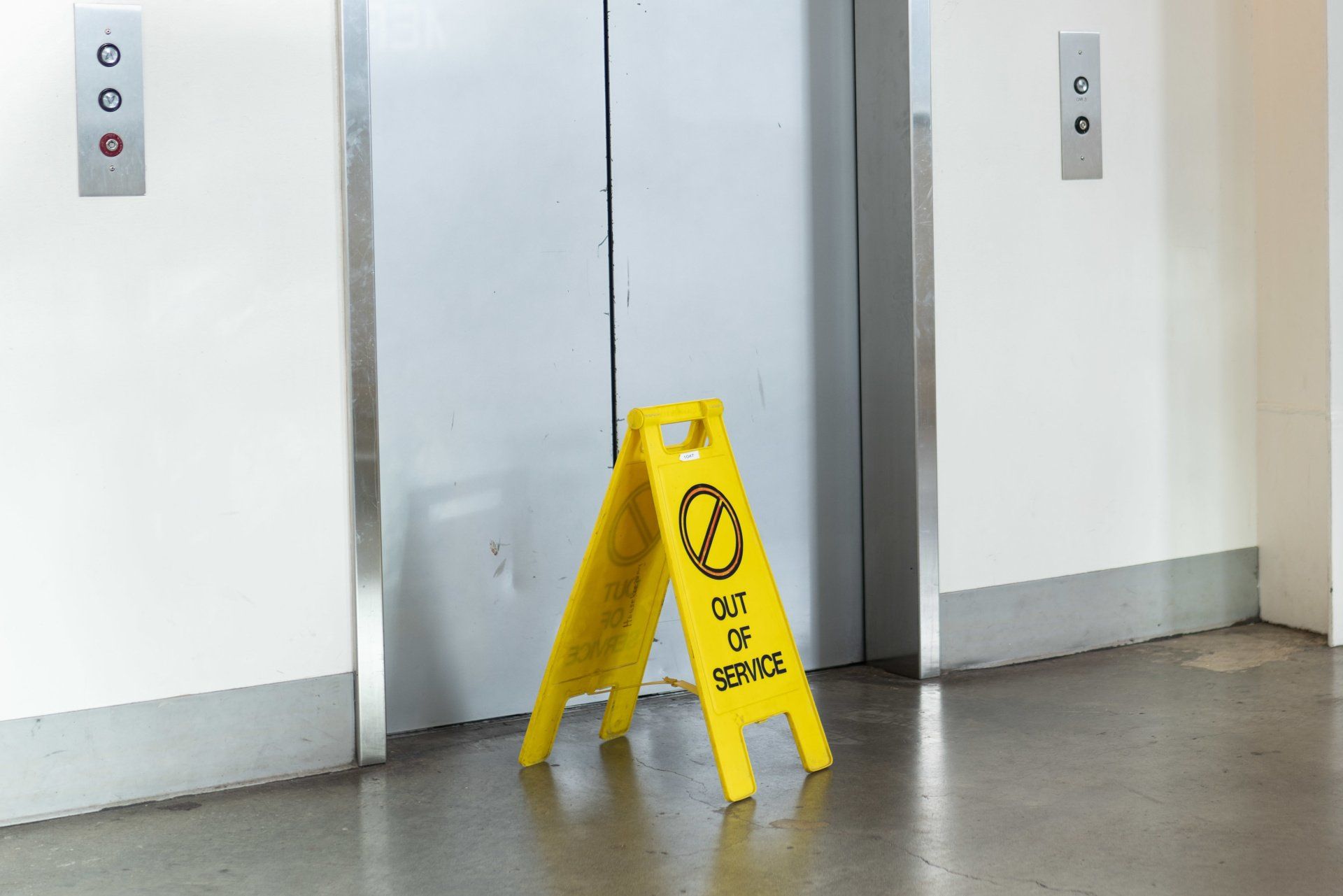
Lift breakdowns can have a direct impact on how a business operates. In office environments, a non-functioning lift can lead to delays for employees and visitors, particularly in multi-storey buildings. This can affect productivity and create unnecessary inconvenience.


In retail settings, lift downtime may disrupt customer flow, limit accessibility, and impact the overall shopping experience. For businesses that rely on smooth movement throughout the building, even short periods of disruption can have noticeable effects.


In industrial environments, where lifts may be used to transport goods or equipment, breakdowns can interrupt workflows and delay operations. This can lead to reduced efficiency and, in some cases, operational downtime.


What causes poor lift reliability?

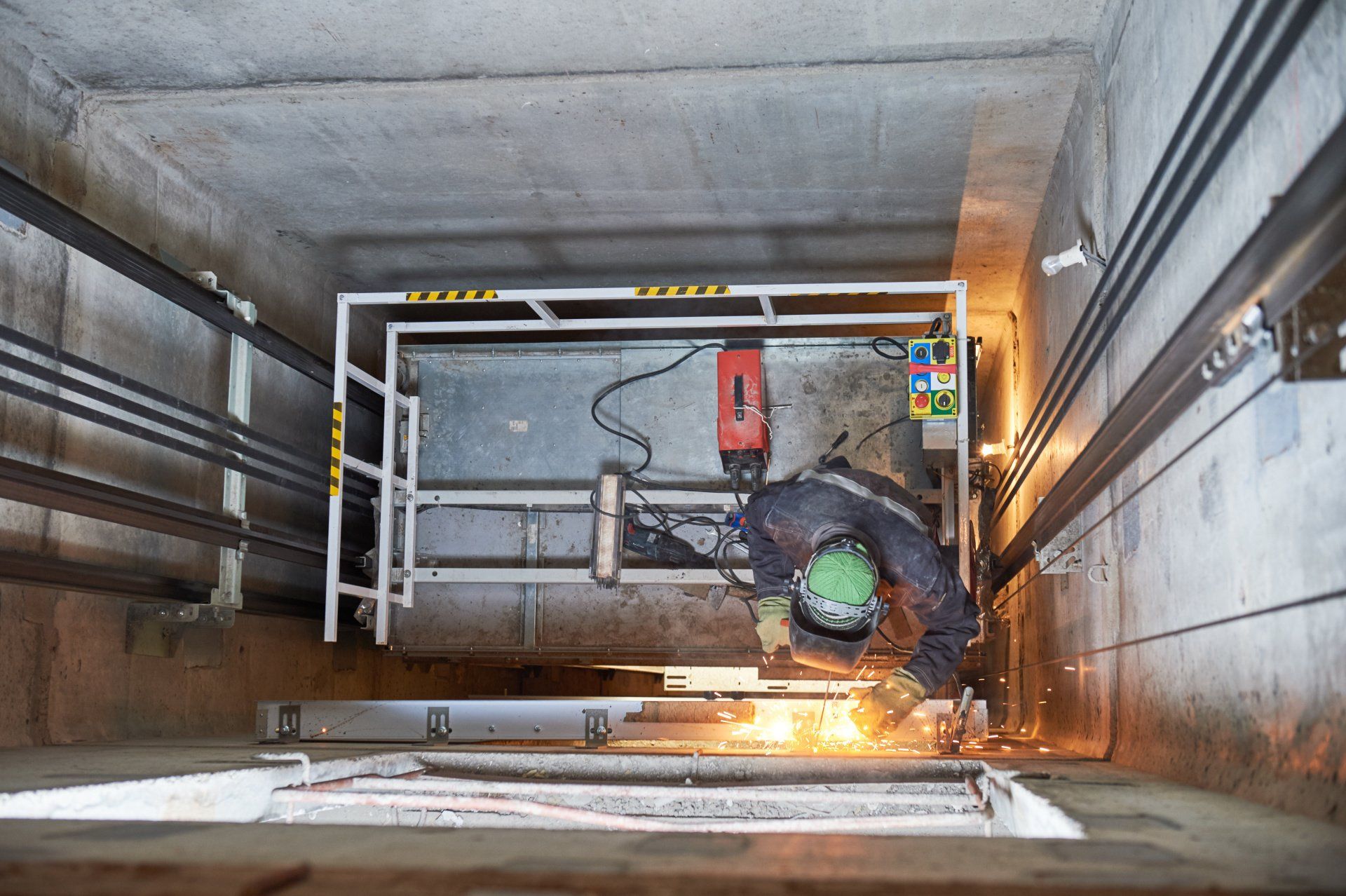
Poor lift reliability is often the result of gradual wear, insufficient maintenance, or outdated system components. In high-use environments, components such as motors, control systems, and door mechanisms are subject to continuous strain.


Without regular servicing, these components may begin to degrade, leading to inconsistent performance and increased likelihood of faults. Older systems may also struggle to meet current operational demands, particularly if building usage has changed over time.


Environmental factors can also contribute to reliability issues. Dust, temperature changes, and heavy usage can all affect system performance if not properly managed through maintenance and inspection.


How can lift reliability be improved?

Improving lift reliability requires a proactive approach to maintenance and system management. Regular servicing ensures that components are inspected, adjusted, and maintained in line with usage requirements.


By identifying potential issues early, maintenance helps prevent faults from developing into more serious problems. This reduces the likelihood of breakdowns and ensures that lifts continue to operate consistently.


In some cases, system upgrades or modernisation may be required to improve reliability. Replacing outdated components and improving control systems can enhance performance and ensure that lifts meet current operational demands.


Why is lift reliability important for customer and staff experience?

Reliable lift operation plays a key role in the overall experience of both staff and visitors within a building. In office environments, reliable lifts ensure that employees can move efficiently between floors, supporting productivity and reducing delays.


In retail settings, lift reliability contributes to a positive customer experience by ensuring easy access throughout the building. This is particularly important for accessibility, where lifts provide essential support for customers with mobility needs.


Inconsistent or unreliable lift performance can lead to frustration, inconvenience, and a negative perception of the building or business.


How does lift maintenance support business continuity?

Regular lift maintenance is one of the most effective ways to support business continuity. By ensuring that lifts are serviced at appropriate intervals, facilities managers can reduce the risk of unexpected failures and maintain consistent performance.


Maintenance provides an opportunity to monitor system condition, identify wear, and carry out preventative work. This helps ensure that lifts remain operational and reduces the likelihood of disruption.


For businesses that rely heavily on lift systems, a structured maintenance plan is essential to maintaining smooth and uninterrupted operations.


What should facilities managers prioritise?

Facilities managers should prioritise reliability by implementing a clear maintenance strategy and ensuring that lift systems are regularly inspected. Monitoring performance and addressing issues early can help prevent disruption and maintain efficiency.


In addition, reviewing system performance over time can help identify whether upgrades or improvements are required. Taking a proactive approach allows for better planning and ensures that lifts continue to meet the needs of the building.


Supporting reliable lift operation across your building

Lift reliability is a key factor in maintaining efficient and effective business operations. By ensuring that systems are properly maintained and monitored, building owners and facilities managers can reduce disruption, improve performance, and support a positive experience for users.


If lift systems are critical to your building’s operation, investing in regular maintenance and performance monitoring can help ensure consistent and reliable service.
April 28, 2026
Selecting the Right Approach to Lift Maintenance For businesses that rely on lift systems, choosing the right maintenance plan is essential to ensuring safe and consistent operation. In commercial, industrial, and public environments, lifts are used daily and play a key role in maintaining accessibility and efficiency within the building. A well-structured lift maintenance plan helps reduce the risk of breakdowns, supports long-term performance, and ensures that systems remain safe for users. For facilities managers and building owners, understanding what to look for in a maintenance plan is an important step in managing building operations effectively. What is a lift maintenance plan? A lift maintenance plan is a structured agreement that outlines how and when a lift system will be serviced. It typically includes scheduled inspections, preventative maintenance, and ongoing support to ensure that lifts continue to operate reliably. Rather than responding to faults as they occur, a maintenance plan focuses on identifying and addressing issues early. This approach helps reduce unexpected downtime and supports consistent performance over time. Maintenance plans can vary depending on the building type, the number of lifts, and the level of usage, making it important to select an option that aligns with operational needs. What should a lift maintenance plan include? An effective lift maintenance plan should provide a comprehensive approach to system care. This includes regular servicing at appropriate intervals, allowing engineers to inspect components and monitor system performance. During these visits, key elements such as control systems, motors, doors, and safety features are assessed to ensure they are operating correctly. Any signs of wear or potential faults can be addressed before they develop into more serious issues. A strong maintenance plan will also include a clear structure for managing repairs and ongoing support, ensuring that any issues are handled efficiently and with minimal disruption. How do you choose the right maintenance plan for your building? Choosing the right maintenance plan depends on several factors, including how the lift is used and the environment in which it operates. Buildings with high levels of daily usage, such as offices or retail spaces, will typically require more frequent servicing to maintain performance. In industrial settings, where lifts may be used to transport goods or operate under demanding conditions, maintenance plans may need to be tailored to account for additional wear and operational requirements. The age and condition of the lift system should also be considered. Older systems may benefit from more frequent inspections and a more proactive maintenance approach to ensure reliability. Understanding these factors allows building owners and facilities managers to select a maintenance plan that supports both performance and long-term system health. Why is a tailored maintenance plan important? A tailored maintenance plan ensures that lift systems are maintained in line with their specific usage and operational demands. Rather than applying a standard approach, maintenance can be adapted to suit the building, helping to improve efficiency and reduce unnecessary servicing. This is particularly important in commercial environments where lift usage can vary significantly. By tailoring the maintenance plan, building managers can ensure that resources are used effectively while maintaining consistent system performance. A tailored approach also helps ensure that potential issues are addressed early, reducing the likelihood of unexpected breakdowns and supporting long-term reliability. What are the risks of choosing the wrong maintenance plan? Selecting an unsuitable maintenance plan can lead to a range of issues. If servicing is not carried out frequently enough, faults may go undetected and develop into more serious problems. This increases the risk of breakdowns and can result in disruption to building operations. On the other hand, an overly intensive plan may not provide additional benefits if it does not align with actual usage. This can lead to unnecessary costs without improving system performance. Finding the right balance is key to ensuring that lift systems are maintained effectively while managing operational costs. How does a maintenance plan support long-term reliability? A well-structured maintenance plan supports long-term reliability by ensuring that lift systems are regularly inspected and maintained. By addressing wear and monitoring performance, the plan helps prevent faults and maintain consistent operation. Over time, this reduces the likelihood of major repairs and extends the lifespan of the lift system. It also allows building managers to plan maintenance activities more effectively, reducing disruption and ensuring that systems continue to meet operational requirements. Consistent maintenance provides a stable foundation for lift performance, helping ensure that systems remain dependable in the long term. When should a maintenance plan be reviewed? Maintenance plans should be reviewed periodically to ensure they remain aligned with building needs. Changes in occupancy, usage patterns, or system condition may require adjustments to servicing frequency or scope. Regular reviews allow facilities managers to assess how well the current plan is performing and whether improvements are needed. This ensures that lift systems continue to receive the appropriate level of care and support. A proactive approach to reviewing maintenance plans helps maintain efficiency and ensures that systems continue to operate reliably over time. Making the right decision for your lift systems  Choosing the right lift maintenance plan is a key part of managing building operations effectively. By understanding system requirements and selecting a plan that aligns with usage, building owners can ensure safe, reliable, and efficient lift performance. If your business relies on lift systems, a structured and well-managed maintenance plan can help reduce risk, improve reliability, and support long-term operational success.
April 28, 2026
Understanding Lift Use in Critical Environments Lift systems play a vital role in healthcare and public buildings, where accessibility, safety, and reliability are essential. In environments such as hospitals, care homes, and public facilities, lifts are not only used for convenience but are often critical to daily operations. Patients, staff, visitors, and equipment all rely on lifts to move safely and efficiently throughout the building. Because of this, the requirements for lift systems in these environments are typically more demanding than in standard commercial settings. Understanding these requirements helps ensure that lifts continue to operate reliably while meeting the needs of both users and building operators. What are the lift requirements for healthcare buildings? Healthcare environments place specific demands on lift systems due to the nature of their use. Lifts must be capable of handling a wide range of functions, from transporting patients and medical staff to moving equipment and supplies. Reliability is one of the most important requirements. In hospitals and care facilities, lift downtime can have a direct impact on operations, particularly where patient movement is involved. For this reason, systems must be maintained to a high standard and supported by regular servicing. Accessibility is also essential. Lifts must provide safe and convenient access for all users, including those with limited mobility. This requires consistent performance, smooth operation, and accurate stopping at each floor. In addition, lift systems in healthcare settings must be designed to operate efficiently under continuous use, as demand is often high throughout the day and night. Why is lift reliability critical in healthcare settings? Lift reliability is particularly important in healthcare environments because systems are often used in time-sensitive situations. Delays caused by faults or breakdowns can affect patient care and disrupt essential services. In busy hospitals, lifts may be required for moving patients between departments, transporting equipment, or supporting emergency response activities. Any interruption to lift operation can create delays that impact staff efficiency and patient experience. Maintaining reliable lift performance helps ensure that movement within the building remains consistent, allowing staff to carry out their roles without unnecessary disruption. How are lift requirements different in public buildings? Public buildings, such as transport hubs, council offices, and leisure facilities, also require reliable lift systems, although the nature of usage may vary. In these environments, lifts must be capable of handling large volumes of users, often during peak periods. This places additional strain on components and increases the importance of regular maintenance. Accessibility remains a key requirement, particularly in buildings that are open to the public. Lifts must provide safe and convenient access for all users, including those with mobility needs, prams, or heavy items. In addition, lifts in public buildings must operate consistently to support the overall flow of people through the space. Any disruption can affect user experience and create congestion within the building. What role does lift maintenance play in healthcare and public environments? Regular lift maintenance is essential for ensuring that systems continue to meet the demands of healthcare and public buildings. By carrying out routine servicing, engineers can monitor system condition and address potential issues before they affect performance. Maintenance helps ensure that lifts remain reliable, reducing the risk of unexpected breakdowns and supporting consistent operation. This is particularly important in environments where lift downtime can have wider implications for building functionality. A structured maintenance plan also helps ensure that systems remain compliant with safety standards, which is a key consideration for building operators. How can lift systems be improved in these environments? In some cases, existing lift systems may need to be upgraded or modernised to meet current requirements. As buildings evolve and usage increases, older systems may struggle to maintain performance. Upgrading key components, such as control systems or door mechanisms, can improve efficiency and reliability. This helps ensure that lifts continue to meet the needs of users while supporting safe operation. Regular condition assessments can help identify areas where improvements are needed, allowing building owners to plan upgrades in a controlled and effective way. What should building managers prioritise? Building managers responsible for healthcare and public facilities should prioritise reliability, safety, and accessibility when managing lift systems. Ensuring that lifts are regularly serviced and inspected helps maintain performance and reduce the risk of faults. Monitoring system performance over time also provides valuable insight into how lifts are being used and whether improvements may be required. This allows for a more proactive approach to maintenance and system management. By focusing on these key areas, building managers can ensure that lift systems continue to support safe and efficient operation across the building. Supporting safe and reliable lift operation in critical environments  Lift systems are a fundamental part of healthcare and public buildings, supporting movement, accessibility, and day-to-day operations. Ensuring that these systems remain reliable requires a structured approach to maintenance, monitoring, and ongoing improvement. If your building relies on lift systems to support essential services, regular servicing and performance management can help ensure safe, consistent, and efficient operation.
April 28, 2026
Keeping Commercial Lifts Safe, Reliable, and Operational Lift systems are essential to the day-to-day operation of commercial buildings. In offices, retail environments, and industrial settings, lifts are relied upon for efficient movement, accessibility, and overall building functionality. For facilities managers and building owners, maintaining consistent lift performance is critical. Disruption caused by lift faults or breakdowns can impact productivity, customer experience, and safety. This is why structured and reliable commercial lift maintenance is a key part of building management. What is commercial lift maintenance? Commercial lift maintenance refers to the planned servicing and inspection of lift systems within business and public environments. Unlike reactive repairs, maintenance focuses on preventing faults before they occur and ensuring that lifts continue to operate safely and efficiently. This typically involves routine inspections of mechanical and electrical components, adjustments to maintain performance, and early identification of wear. By taking a proactive approach, maintenance reduces the likelihood of unexpected downtime and supports long-term reliability. Why is lift maintenance important for commercial buildings? Regular lift maintenance is essential in commercial settings where lifts are used frequently throughout the day. High levels of usage increase wear on components, making systems more susceptible to faults if not properly maintained. Consistent servicing helps ensure that lifts remain safe for users while also maintaining performance standards. For businesses, this reduces the risk of disruption, avoids delays for staff and visitors, and supports smooth building operations. In addition, maintenance plays an important role in compliance. Commercial properties are required to ensure that lift systems are safe and regularly inspected. A structured maintenance plan helps demonstrate that systems are being managed responsibly and in line with expected standards. How often should commercial lifts be serviced? The frequency of servicing will depend on the type of building, the number of lifts, and how heavily they are used. In most commercial environments, lifts are serviced on a regular schedule to ensure consistent monitoring and performance. For office buildings and retail environments, monthly servicing is common, particularly where lifts are used throughout the day. In industrial settings, where lifts may carry heavier loads or operate in more demanding conditions, additional servicing may be required. Establishing a clear servicing schedule ensures that lifts are checked regularly and that any developing issues are addressed promptly. What does a commercial lift maintenance plan include? A commercial lift maintenance plan is designed to provide ongoing support for lift systems, ensuring they remain safe and operational over time. This typically includes scheduled inspections, performance checks, and preventative servicing. Engineers will assess key components such as doors, control systems, motors, and safety features. They will also monitor how the lift performs during operation, identifying any irregularities that may indicate potential faults. Where issues are identified, corrective actions can be taken early, preventing more serious problems from developing. This structured approach helps maintain reliability while reducing the need for emergency repairs. What are the risks of poor lift maintenance? Without regular maintenance, lift systems are more likely to experience faults, breakdowns, and reduced performance. In commercial environments, this can lead to significant disruption, particularly where lifts are critical to building access. Unplanned downtime can affect staff productivity, customer experience, and overall building operations. In addition, unresolved faults may pose safety risks if systems are not operating as intended. Over time, poor maintenance can also lead to increased repair costs, as minor issues develop into more complex and costly problems. In some cases, lack of maintenance may shorten the lifespan of the lift system, requiring earlier replacement or major upgrades. How can facilities managers improve lift reliability? Improving lift reliability starts with a proactive approach to maintenance. By implementing a structured servicing plan, facilities managers can ensure that lifts are monitored regularly and maintained in line with usage demands. Working with experienced engineers allows for consistent inspections and informed decision-making when it comes to repairs or upgrades. Monitoring system performance over time also helps identify patterns, allowing for preventative action before faults occur. In environments where lift performance is critical, combining maintenance with periodic inspections and system assessments can further improve reliability and reduce operational risk. How does commercial lift maintenance support long-term performance? A well-managed maintenance plan not only reduces the risk of breakdowns but also supports the long-term performance of lift systems. By addressing wear early and ensuring components operate correctly, maintenance helps extend the lifespan of equipment. This approach allows building owners to manage costs more effectively by avoiding major repairs and delaying the need for replacement. It also ensures that lifts continue to meet operational requirements as building usage evolves. Over time, consistent maintenance contributes to safer, more efficient, and more reliable lift operation across the building. Supporting your building with reliable lift maintenance For commercial properties, lift reliability is essential to maintaining smooth operations and ensuring safe access for all users. A structured approach to maintenance helps reduce risk, improve performance, and support long-term system reliability.  If you are responsible for managing lift systems within a commercial building, regular servicing and inspection can help ensure consistent performance and minimise disruption.
April 1, 2026
Maintaining Safe and Reliable Lift Operation Lift systems play a critical role in the day-to-day operation of many buildings, particularly in commercial, residential, and public environments. Ensuring that these systems continue to operate safely and reliably requires regular assessment and monitoring. Lift safety inspections are an essential part of this process. They help identify potential risks, ensure compliance with safety standards, and support the continued performance of lift systems over time. What is a lift safety inspection? A lift safety inspection is a structured assessment of a lift system to ensure that it is operating correctly and safely. These inspections involve a detailed review of both mechanical and electrical components, as well as an evaluation of overall system performance. The purpose of a safety inspection is to identify any issues that may affect the safe operation of the lift. This includes checking for wear, damage, or faults that could lead to system failure or safety concerns if left unaddressed. Safety inspections are typically carried out as part of a planned maintenance approach, but they may also be conducted independently to assess system condition. Why are lift safety inspections important? Lift safety inspections are important because they help ensure that systems continue to operate in a safe and controlled manner. Without regular inspections, faults may go unnoticed and develop into more serious issues over time. By identifying potential risks early, inspections allow for timely intervention and reduce the likelihood of breakdowns or unsafe operation. This helps protect building users and ensures that lifts remain suitable for continued use. In addition, safety inspections support compliance with relevant standards and regulations. Maintaining compliance is essential for building owners and operators, particularly in environments where lift reliability is critical. What is checked during a lift safety inspection? During a safety inspection, engineers assess a wide range of components and systems to ensure that the lift is functioning correctly. This includes reviewing mechanical elements such as cables, pulleys, and door mechanisms, as well as electrical systems including control panels and sensors. The inspection also considers how the lift performs during operation. Engineers may assess movement between floors, stopping accuracy, and door functionality to ensure that the system responds as expected. Any signs of wear, damage, or irregular performance are recorded, allowing for further investigation or corrective action where necessary. How often should lift safety inspections be carried out? The frequency of lift safety inspections will depend on factors such as usage, building type, and system condition. In general, lifts that are used frequently or are located in high-traffic environments may require more regular inspections. Regular inspections are often integrated into ongoing maintenance schedules to ensure consistent monitoring of system performance. In some cases, additional inspections may be required to meet specific compliance requirements or to assess the condition of older systems. Establishing a structured inspection schedule helps ensure that lifts remain safe and that potential issues are identified at an early stage. What are the risks of not carrying out safety inspections? Failing to carry out regular safety inspections can increase the risk of faults developing unnoticed. Over time, this can lead to reduced performance, unexpected breakdowns, or safety concerns. Without inspections, minor issues may escalate into more significant problems that require more extensive repairs. This can result in increased downtime and disruption within the building. In addition, a lack of regular inspection may affect compliance with safety requirements, which can have implications for building management and operation. How do safety inspections support long-term performance? Safety inspections play an important role in maintaining long-term lift performance by ensuring that systems are regularly assessed and maintained. By identifying issues early, building owners can take a proactive approach to maintenance and reduce the likelihood of major faults. This approach helps to improve reliability, extend the lifespan of lift equipment, and support consistent operation. It also allows for better planning of repairs and upgrades, ensuring that systems continue to meet operational requirements. Regular inspections provide valuable insight into system condition, helping to inform decisions about maintenance and potential improvements. Integrating inspections into a maintenance strategy Lift safety inspections are most effective when they form part of a broader maintenance strategy. By combining inspections with regular servicing and performance monitoring, building owners can ensure that lifts are maintained in a structured and consistent way. This integrated approach helps reduce risk, improve efficiency, and support safe operation across the building. It also ensures that maintenance activities are carried out in a planned and controlled manner, minimising disruption to users. Need support with lift safety inspections? If you require guidance on lift safety inspections or want to ensure your system remains compliant and reliable, professional inspection and maintenance services can help support safe and consistent operation.
April 1, 2026
Recognising When a Lift System Becomes Outdated Lift systems are designed to provide reliable service over many years, but like all mechanical and electrical equipment, they can become less efficient over time. As components age and technology advances, older systems may no longer meet the performance, safety, or operational expectations of modern buildings. For building owners and facilities managers, recognising when a lift may require modernisation or system upgrades is essential to maintaining reliability and ensuring continued safe operation. What are the signs a lift needs modernisation? There are several indicators that a lift system may be approaching the point where upgrades or modernisation should be considered. In many cases, these signs develop gradually and may initially appear as minor performance issues. One of the most common signs is frequent breakdowns or recurring faults. If a lift requires repeated repairs, this may indicate that key components are reaching the end of their operational lifespan. Similarly, inconsistent performance, such as delays, uneven movement, or unreliable stopping accuracy, can suggest that the system is no longer operating as intended. Outdated control systems are another common factor. Older lifts may rely on technology that is no longer efficient or supported, which can affect both performance and reliability. In addition, slow operation or longer waiting times may indicate that the system is struggling to meet current demand. How does lift modernisation improve performance? Lift modernisation focuses on upgrading key components to improve overall system performance without requiring a full replacement. By updating parts such as control systems, drive mechanisms, and door equipment, it is possible to significantly enhance reliability and efficiency. Modernised systems tend to operate more smoothly and consistently, reducing delays and improving user experience. Improved control technology can also enhance accuracy, ensuring that lifts stop correctly at each floor and respond more effectively to demand. In many cases, modernisation also reduces the likelihood of faults by replacing worn or outdated components with more reliable alternatives. This helps to minimise downtime and supports more consistent operation across the building. When should lift upgrades be considered? Lift upgrades should be considered when performance issues begin to affect reliability or when maintenance requirements increase significantly. If a lift requires frequent repairs or experiences ongoing faults, upgrading key components can often provide a more effective long-term solution than continued reactive maintenance. Age is another important factor. While lifts can operate for many years, systems that are several decades old may no longer meet modern performance or safety expectations. In these cases, upgrades can help bring the system in line with current standards. Changes in building usage can also influence the need for upgrades. If a building experiences increased occupancy or higher demand, the existing lift system may need to be improved to handle additional usage more efficiently. Can modernisation improve lift safety? Lift modernisation can play a significant role in improving safety by ensuring that systems operate in line with current standards. Upgrading safety components and control systems can help reduce the risk of faults and ensure that lifts respond correctly under different operating conditions. Older systems may lack features that are now considered standard in modern lift technology. By updating these elements, building owners can enhance overall safety while also improving performance and reliability. Regular assessment of system condition can help identify areas where safety improvements may be required, allowing for targeted upgrades rather than waiting for issues to arise. What are the benefits of upgrading lift systems instead of replacing them? In many cases, upgrading an existing lift system can provide significant improvements without the need for full replacement. Modernisation allows building owners to retain the core structure of the lift while improving performance through targeted upgrades. This approach can reduce disruption within the building, as work is typically less extensive than a full replacement project. It can also be more cost-effective, particularly when only specific components require improvement. By extending the lifespan of the existing system, modernisation provides a practical solution for maintaining reliable lift operation while adapting to changing building requirements. How to assess whether a lift requires modernisation Assessing the condition of a lift system involves reviewing its performance, maintenance history, and overall reliability. Frequent faults, increased downtime, and ongoing performance issues are all indicators that the system may benefit from upgrades. Regular inspections and condition assessments can help identify areas where improvements are needed. This allows building owners to plan upgrades in a controlled and structured way, reducing the risk of unexpected failures and ensuring continued system performance. Taking a proactive approach to system assessment helps ensure that lifts remain efficient, safe, and suitable for long-term use. Planning ahead for long-term lift performance Modernisation is not only about addressing current issues but also about preparing for future demands. By upgrading key components and improving system performance, building owners can ensure that lifts continue to operate reliably as building usage evolves. A planned approach to upgrades allows for better control over maintenance, reduced disruption, and improved long-term outcomes. It also helps ensure that lift systems remain aligned with operational needs and safety expectations. Need advice on lift modernisation or upgrades?  If your lift is showing signs of reduced performance or requires frequent repairs, professional assessment and upgrade solutions can help restore reliability and support continued safe operation.
April 1, 2026
Understanding Lift Servicing Requirements  Lift servicing is an essential part of maintaining safe and reliable operation within any building. Whether installed in a commercial property, residential development, or public facility, lifts are subject to regular use and require ongoing attention to ensure consistent performance. For building owners and facilities managers, understanding how often a lift should be serviced helps reduce the risk of faults, minimise disruption, and support long-term system reliability. How often should a lift be serviced? The frequency of lift servicing depends on several key factors, including the type of lift, the environment in which it operates, and the level of daily use. In most cases, lifts in commercial or high-traffic buildings require more frequent servicing than those in lower-use residential settings. In busy environments such as offices, retail spaces, or healthcare facilities, lifts are typically serviced on a monthly basis. This allows engineers to monitor performance closely and address any developing issues before they impact operation. In residential buildings, servicing may be carried out less frequently, but regular inspections are still necessary to ensure safety and reliability. Where lifts are used continuously or are critical to building access, more frequent servicing may be required to maintain performance and reduce the likelihood of unexpected downtime. What factors affect lift servicing frequency? Several factors influence how often a lift should be serviced, and these should be considered when establishing a maintenance schedule. Usage is one of the most significant factors. Lifts that operate throughout the day and carry a high volume of passengers are more likely to experience wear and require more frequent attention. Environmental conditions can also play a role, particularly in buildings where dust, moisture, or temperature variations may affect system components. The age and condition of the lift are also important considerations. Older systems may require more regular servicing to maintain reliability, while newer installations may benefit from structured maintenance to ensure long-term performance. In addition, the type of lift — whether passenger, goods, or platform — can influence servicing requirements based on how the system is used. Why is regular lift servicing important? Regular servicing helps ensure that lifts continue to operate safely and efficiently. By carrying out routine inspections, engineers can assess the condition of components and identify potential issues before they lead to faults. This proactive approach reduces the risk of unexpected breakdowns and helps maintain consistent performance. It also supports compliance with safety standards, ensuring that lifts remain suitable for use within the building. In addition to improving reliability, regular servicing can extend the lifespan of lift equipment. By addressing wear early and maintaining system performance, building owners can avoid more significant repairs and delays associated with major failures. What happens during a lift service? During a lift service, engineers carry out a series of checks and adjustments to ensure that the system is operating correctly. This typically includes inspecting mechanical and electrical components, assessing door operation, and reviewing overall system performance. Any signs of wear or potential faults are identified, and where necessary, adjustments or minor repairs are carried out. The aim is to ensure that the lift continues to function safely while reducing the likelihood of future issues. Servicing also provides an opportunity to monitor performance over time, allowing for a more informed approach to ongoing maintenance and system management. What are the risks of not servicing a lift regularly? Failing to service a lift at appropriate intervals can lead to a range of issues, many of which develop gradually. Without regular inspections, minor faults may go unnoticed and eventually result in more serious problems. This can increase the likelihood of breakdowns, leading to disruption for building users and potential safety concerns. In some cases, lack of maintenance may also affect compliance with relevant safety requirements, which can have further implications for building management. Over time, insufficient servicing can reduce the overall lifespan of the lift, resulting in higher long-term costs due to repairs or replacement. Establishing a reliable maintenance approach Developing a structured servicing schedule is essential for maintaining lift performance over time. By considering factors such as usage, environment, and system condition, building owners can ensure that maintenance is carried out at appropriate intervals. A planned approach to servicing allows for consistent monitoring, early identification of issues, and reduced disruption to building operations. It also helps ensure that lifts continue to operate safely, efficiently, and in line with expected performance standards. Need guidance on lift servicing schedules? If you are unsure how often your lift should be serviced or want to ensure your system remains reliable, professional servicing and inspection can help maintain safe and consistent operation.
April 1, 2026
Introduction Lift breakdowns can cause significant disruption in both commercial and residential buildings. Delays, inconvenience, and potential safety concerns can quickly arise when a lift is taken out of service, particularly in high-use environments. Understanding the underlying causes of lift breakdowns — and how regular maintenance can prevent them — is essential for building owners and facilities managers who rely on consistent, safe operation. What causes lift breakdowns? Lift breakdowns are typically the result of gradual wear, system faults, or insufficient maintenance. In many cases, issues develop over time rather than occurring suddenly, which means early signs can often be identified before a complete failure happens. Mechanical components such as cables, pulleys, and door systems are subject to continuous use and naturally wear down. As these parts degrade, performance can become less reliable, increasing the likelihood of faults. Electrical systems can also contribute to breakdowns, particularly where control panels, sensors, or wiring begin to malfunction. Door-related issues are among the most common causes of lift faults. If doors fail to open or close correctly, the lift may stop operating altogether as a safety precaution. In addition, lifts that experience high levels of daily use are more susceptible to breakdown if they are not maintained in line with demand. In many cases, however, the most significant contributing factor is a lack of regular servicing. Without routine inspections, minor issues can go unnoticed and gradually develop into more serious problems. How does regular lift maintenance prevent breakdowns? Regular lift maintenance is designed to identify potential issues before they result in failure. By carrying out planned inspections and servicing, engineers can assess the condition of key components and address early signs of wear. This proactive approach helps to maintain consistent performance and reduces the likelihood of unexpected downtime. Components can be adjusted, repaired, or replaced as needed, ensuring that the system continues to operate safely and efficiently. Maintenance also plays an important role in extending the lifespan of lift equipment. By reducing strain on individual components and ensuring that systems are operating as intended, long-term reliability can be improved. In addition, regular servicing supports compliance with safety standards, helping to ensure that lifts remain suitable for continued use. How often should a lift be maintained? The frequency of lift maintenance will depend on several factors, including the type of building, the level of usage, and the complexity of the system. Lifts in busy commercial environments, such as office buildings or public facilities, typically require more frequent servicing due to higher demand. In residential settings, maintenance schedules may vary, but regular servicing is still essential to ensure safe operation. Where lifts are subject to heavy or continuous use, more frequent inspections may be necessary to maintain performance and reduce the risk of faults. Establishing a structured maintenance plan allows for consistent monitoring and ensures that servicing is carried out at appropriate intervals. What are the signs a lift may be about to break down? In many cases, lifts will show warning signs before a breakdown occurs. These signs may initially appear minor but can indicate underlying issues that require attention. Unusual noises during operation, such as grinding or knocking sounds, may suggest mechanical wear. Delays in movement, uneven travel between floors, or inconsistent performance can also indicate that components are not functioning as expected. Problems with door operation are another common indicator. If doors hesitate, fail to close properly, or reopen unexpectedly, this may point to faults within the door system or control mechanisms. Frequent shutdowns or recurring faults are also a clear sign that the lift requires inspection. Addressing these issues early can help prevent more significant disruption and reduce the likelihood of a complete breakdown. Can lift breakdowns be completely avoided? While it is not always possible to prevent every breakdown, the likelihood can be significantly reduced through regular maintenance and timely intervention. A proactive approach ensures that potential issues are identified and resolved before they affect performance. By monitoring system condition and maintaining key components, building owners can minimise the risk of unexpected failures and ensure that lifts remain reliable over time. Why preventative maintenance is essential Preventative maintenance focuses on maintaining system performance and reducing the risk of faults before they occur. Rather than responding to breakdowns after they happen, this approach allows for planned servicing and controlled repairs. This is particularly important in environments where lift reliability is critical, such as commercial buildings, healthcare facilities, and residential developments. In these settings, even short periods of downtime can have a significant impact on building operations and user experience. A well-structured maintenance plan helps ensure that lifts continue to operate safely, efficiently, and with minimal disruption. Conclusion Lift breakdowns are often the result of wear, system faults, or insufficient maintenance. While some issues may be unavoidable, many can be prevented through regular servicing and early identification of potential problems. By investing in routine maintenance, building owners can improve reliability, reduce downtime, and support the safe operation of their lift systems over the long term. Need support with lift maintenance or repairs? If your lift is showing signs of wear or you want to reduce the risk of breakdowns, professional servicing and inspection can help ensure continued safe and reliable operation.
February 27, 2026
Introduction For many healthcare buildings, the lift is one of the most heavily used pieces of equipment in the entire facility. Patients, clinicians, visitors and support staff rely on it continuously throughout the day. When performance begins to decline, the immediate assumption is often that the lift needs replacing entirely. However, in many cases, targeted lift system upgrades can dramatically improve reliability and performance without the disruption or cost of full replacement. For medical centres, private clinics and healthcare premises, upgrading patient lifts can be a practical and cost-effective way to reduce downtime while extending the life of existing equipment. Why Healthcare Lifts Experience High Wear Healthcare lifts operate under unique pressures. They often run from early morning until late evening, carrying a mix of ambulatory patients, wheelchair users, mobility equipment and clinical staff. This constant use accelerates wear on: Door systems Control components Levelling mechanisms Safety systems Even if the lift continues operating, ageing parts can lead to slower response times, intermittent faults and increasing service visits. Over time, reliability may begin to suffer. In healthcare environments, where consistent access is critical, even minor disruptions can affect appointment schedules and patient experience. The Difference Between Replacement and Upgrade Full lift replacement involves removing and installing an entirely new system. While sometimes necessary, it is not always the most appropriate first step. Lift system upgrades for healthcare premises focus on modernising the components most responsible for reliability issues. These can include: Updating control systems Replacing door operators Improving safety circuits Enhancing levelling accuracy Modernising lift interiors and indicators By targeting specific ageing systems, performance can often be significantly improved without replacing the entire structure of the lift. This approach reduces disruption and allows healthcare facilities to maintain operational continuity. How Upgrades Improve Reliability and Reduce Downtime Unplanned downtime is one of the biggest concerns for healthcare operators. A lift that shuts down unexpectedly can delay appointments and increase operational pressure. Upgrading key components helps stabilise performance and reduce the likelihood of recurring faults. Modern control systems provide more accurate diagnostics and smoother operation. Improved door equipment reduces common shutdown triggers. Updated safety components enhance system stability. As a result, lifts operate more consistently and predictably — reducing emergency callouts and restoring confidence in daily use. Supporting Accessibility and Patient Comfort In healthcare settings, accessibility is essential. Accurate levelling, smooth acceleration and responsive door timing all play a role in ensuring safe and comfortable movement for patients. Replacing outdated patient lift components with modern systems can improve ride quality and accessibility standards without requiring complete replacement. Healthcare lift modernisation also supports a professional environment. Updated interiors and clearer controls contribute to a more reassuring experience for patients and visitors. When Should Healthcare Facilities Consider Upgrades? There are several signs that upgrading lifts in private clinics or medical centres may be advisable: If maintenance visits are becoming more frequent. If downtime is increasing year on year. If parts are becoming harder to source. If performance feels inconsistent compared to modern standards. Waiting until a lift reaches complete failure can result in urgent decisions and longer periods out of service. Planned upgrades allow improvements to be scheduled in a controlled and structured manner. A Strategic Approach to Long-Term Lift Performance Improving lift reliability in medical facilities is rarely about reacting to a single fault. It is about reviewing long-term performance and identifying where targeted improvements can deliver lasting benefits. Upgrades can extend equipment lifespan, reduce overall maintenance costs and improve day-to-day dependability — all while avoiding the disruption of full replacement. ACE Elevators Northern supports healthcare providers across the North of England with planned lift refurbishment and upgrade programmes. By assessing system condition and recommending targeted improvements, medical centres can strengthen reliability, protect patient access and ensure lifts continue to operate safely and efficiently. If your healthcare lift is ageing or experiencing recurring issues, exploring structured upgrade options now may prevent larger disruptions in the future.
February 27, 2026
Introduction In medical centres and private clinics, lifts are more than a convenience. They play a critical role in ensuring patients, staff and visitors can move safely and efficiently throughout the building. When a lift begins to show signs of ageing — even if it is still operational — the impact can be felt quickly. Delays, minor shutdowns or inconsistent door operation can disrupt appointment schedules, affect accessibility and create unnecessary stress in what should be a calm clinical environment.  Planned lift refurbishment for medical centres allows healthcare operators to improve reliability and patient access without the disruption of full replacement. By modernising key components and strengthening performance, clinics can future-proof their lift systems while maintaining day-to-day operations. Why Reliability Is Essential in Healthcare Settings Medical environments operate on tight schedules. Appointment slots are carefully managed, patient flow is structured, and accessibility must be dependable at all times. Unlike many commercial buildings, healthcare facilities often serve individuals with limited mobility, those using wheelchairs, or patients requiring assistance. A lift that is unreliable, slow or frequently out of service can directly impact patient experience and operational efficiency. Even occasional downtime can lead to rescheduled appointments, staff delays and increased pressure on reception and clinical teams. For this reason, improving lift reliability in medical facilities is not just a maintenance issue — it is an operational priority. Common Signs That Refurbishment Should Be Considered Many healthcare lifts continue to function long after key components begin to decline. The warning signs are often subtle at first. You may notice that the lift responds more slowly than it once did, doors hesitate before closing, or the ride feels less smooth. In older systems, control panels and indicators may appear dated or lack the responsiveness expected in a modern healthcare environment. Maintenance visits may become more frequent, and minor issues may recur. While each individual fault can be repaired, repeated disruption often signals that targeted lift modernisation would provide greater long-term benefit. Replacing outdated patient lifts is not always necessary. In many cases, upgrading critical systems delivers substantial improvements without the cost and disruption of a complete new installation. What Lift Refurbishment for Medical Centres Involves Lift refurbishment in healthcare premises typically focuses on upgrading the components most likely to affect reliability and performance. Modern control systems can improve response times and operational accuracy. Updating door equipment can enhance smoothness and reduce unexpected stoppages. Improvements to levelling systems ensure safer, more accurate floor alignment — particularly important for wheelchair users and patient transport. These updates can significantly reduce downtime while improving the overall experience for patients and staff. Because refurbishment is planned in advance, works can be scheduled around clinic hours and operational needs. This minimises disruption and allows healthcare providers to maintain service continuity. Supporting Accessibility and Professional Standards Healthcare environments demand professionalism and confidence. A lift that feels outdated or unreliable can undermine the overall perception of the facility. Modernising lifts in healthcare buildings enhances not only mechanical performance but also presentation. Updated interiors, clearer indicators and smoother operation all contribute to a more professional patient experience. Accessibility lift upgrades for healthcare premises also ensure that buildings remain inclusive and supportive of all users. Accurate levelling, responsive controls and dependable door systems help maintain dignity and comfort for patients. The Long-Term Benefits of Planned Upgrades Taking a proactive approach to lift system upgrades for healthcare premises often delivers measurable long-term benefits. Improved reliability reduces emergency callouts and disruption. Modern components typically require less reactive attention. Upgraded systems can also improve energy efficiency and operational performance. Perhaps most importantly, planned refurbishment gives clinic operators control. Rather than reacting to unexpected shutdowns, improvements can be scheduled, budgeted and delivered in a structured way. Planning Ahead for Continued Reliability If your medical centre lift is ageing, experiencing increasing maintenance visits or struggling to keep up with daily usage, it may be time to consider a structured refurbishment plan. Lift refurbishment for medical centres is about strengthening reliability, improving patient access and maintaining professional standards — not just fixing faults as they occur. ACE Elevators Northern works with medical centres and healthcare facilities across the North of England to deliver planned lift modernisation and upgrade programmes. By focusing on reliability, accessibility and minimal disruption, healthcare providers can improve long-term lift performance while maintaining smooth day-to-day operation. Taking action before performance declines significantly helps ensure that patient access remains safe, dependable and efficient for years to come.
February 27, 2026
Introduction In assisted living facilities, lifts are used constantly throughout the day. Residents rely on them for independence, staff depend on them for safe movement, and visitors expect them to operate smoothly and reliably. When a lift begins to feel unreliable — even if it is still technically working — it can create uncertainty and risk in an environment where safety should never be in question. Planned lift modernisation is one of the most effective ways to improve lift safety in assisted living facilities without the disruption of full replacement. Rather than waiting for breakdowns to dictate action, a proactive upgrade approach allows operators to strengthen performance, improve reliability, and create a safer environment for everyone who uses the building. Why Lift Safety Matters More in Assisted Living In many commercial buildings, a lift outage is inconvenient. In assisted living settings, it can be far more serious. Residents may have limited mobility, use walking aids or wheelchairs, and depend entirely on lift access to move between floors. Even small issues such as uneven levelling, slow door response, or inconsistent stopping can increase the risk of trips or discomfort. Over time, ageing lift systems may begin to show subtle performance changes. The lift may operate more slowly, doors may hesitate before closing, or the ride may feel less smooth than it once did. These changes often signal that components are wearing and that safety margins are narrowing. Modernising lift systems before they deteriorate further helps maintain high standards of care and reduces operational risk. What Planned Modernisation Typically Involves Lift modernisation for elderly care facilities does not necessarily mean replacing the entire lift. In many cases, improving key components can deliver substantial safety and reliability benefits. Updating control systems can enhance response times and improve operational accuracy. Replacing ageing door mechanisms can ensure smoother, more predictable movement. Improvements to levelling systems can reduce small but important floor misalignments that affect wheelchair access. These targeted upgrades allow assisted living providers to retain the core lift structure while significantly improving day-to-day performance. Because the work is planned rather than reactive, it can be scheduled in stages, helping minimise disruption to residents and staff. Reducing Risk Before Problems Escalate One of the most important benefits of proactive lift refurbishment in assisted living buildings is risk reduction. Small performance issues often precede larger failures. A lift that is occasionally unreliable today may become frequently out of service tomorrow. By addressing ageing components and modernising systems early, facilities can reduce the likelihood of unexpected downtime and improve long-term reliability. This approach also supports compliance and responsible facility management. Demonstrating that lift safety is actively reviewed and improved reflects strong operational standards and a commitment to resident wellbeing. Supporting Accessibility and Resident Confidence Lift safety is not just about preventing breakdowns. It is also about maintaining confidence. Residents should feel secure when using a lift. Smooth operation, accurate stopping levels, and consistent door performance all contribute to that confidence. When lifts behave unpredictably, even in small ways, it can create anxiety for users who rely on them daily. Accessibility lift upgrades for care facilities often focus on improving user experience as well as mechanical reliability. Enhancements to controls, door timing, and ride comfort all help maintain dignity and independence for residents. When to Consider Modernisation If a lift in an assisted living facility is over 15 years old, experiencing increasing maintenance visits, or showing signs of inconsistent performance, it may be time to explore planned modernisation. Waiting for a major failure can result in extended downtime and urgent decision-making. A structured refurbishment plan, by contrast, allows improvements to be delivered thoughtfully, with budgeting and scheduling aligned to operational needs. Taking a Proactive Approach to Lift Safety Improving lift safety in assisted living facilities through planned modernisation is about more than upgrading equipment. It is about protecting residents, supporting staff, and maintaining a dependable environment. ACE Elevators Northern works with assisted living providers and care facilities across the North of England to modernise ageing lift systems and improve long-term reliability. Through targeted upgrades and structured refurbishment programmes, facilities can strengthen safety, reduce downtime, and ensure lifts continue to operate smoothly in environments where dependable access is essential. If your lift system is ageing or showing early signs of performance decline, exploring modernisation options now can provide lasting benefits for both residents and operators.