How Often Should a Lift Be Serviced? A Guide for Building Owners and Facilities Managers
Understanding Lift Servicing Requirements
Lift servicing is an essential part of maintaining safe and reliable operation within any building. Whether installed in a commercial property, residential development, or public facility, lifts are subject to regular use and require ongoing attention to ensure consistent performance.
For building owners and facilities managers, understanding how often a lift should be serviced helps reduce the risk of faults, minimise disruption, and support long-term system reliability.
How often should a lift be serviced?
The frequency of lift servicing depends on several key factors, including the type of lift, the environment in which it operates, and the level of daily use. In most cases, lifts in commercial or high-traffic buildings require more frequent servicing than those in lower-use residential settings.
In busy environments such as offices, retail spaces, or healthcare facilities, lifts are typically serviced on a monthly basis. This allows engineers to monitor performance closely and address any developing issues before they impact operation. In residential buildings, servicing may be carried out less frequently, but regular inspections are still necessary to ensure safety and reliability.
Where lifts are used continuously or are critical to building access, more frequent servicing may be required to maintain performance and reduce the likelihood of unexpected downtime.
What factors affect lift servicing frequency?
Several factors influence how often a lift should be serviced, and these should be considered when establishing a maintenance schedule.
Usage is one of the most significant factors. Lifts that operate throughout the day and carry a high volume of passengers are more likely to experience wear and require more frequent attention. Environmental conditions can also play a role, particularly in buildings where dust, moisture, or temperature variations may affect system components.
The age and condition of the lift are also important considerations. Older systems may require more regular servicing to maintain reliability, while newer installations may benefit from structured maintenance to ensure long-term performance. In addition, the type of lift — whether passenger, goods, or platform — can influence servicing requirements based on how the system is used.
Why is regular lift servicing important?
Regular servicing helps ensure that lifts continue to operate safely and efficiently. By carrying out routine inspections, engineers can assess the condition of components and identify potential issues before they lead to faults.
This proactive approach reduces the risk of unexpected breakdowns and helps maintain consistent performance. It also supports compliance with safety standards, ensuring that lifts remain suitable for use within the building.
In addition to improving reliability, regular servicing can extend the lifespan of lift equipment. By addressing wear early and maintaining system performance, building owners can avoid more significant repairs and delays associated with major failures.
What happens during a lift service?
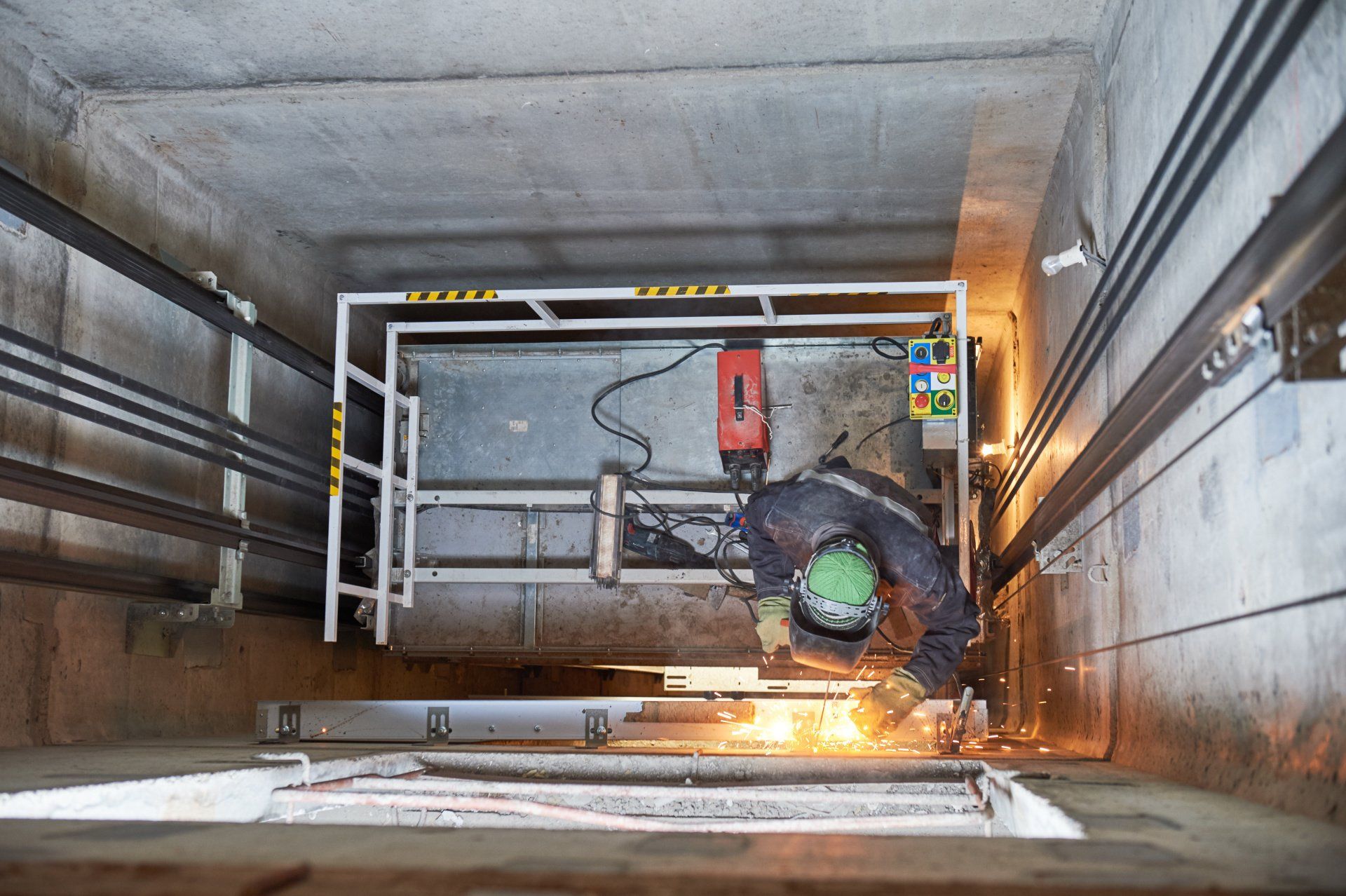
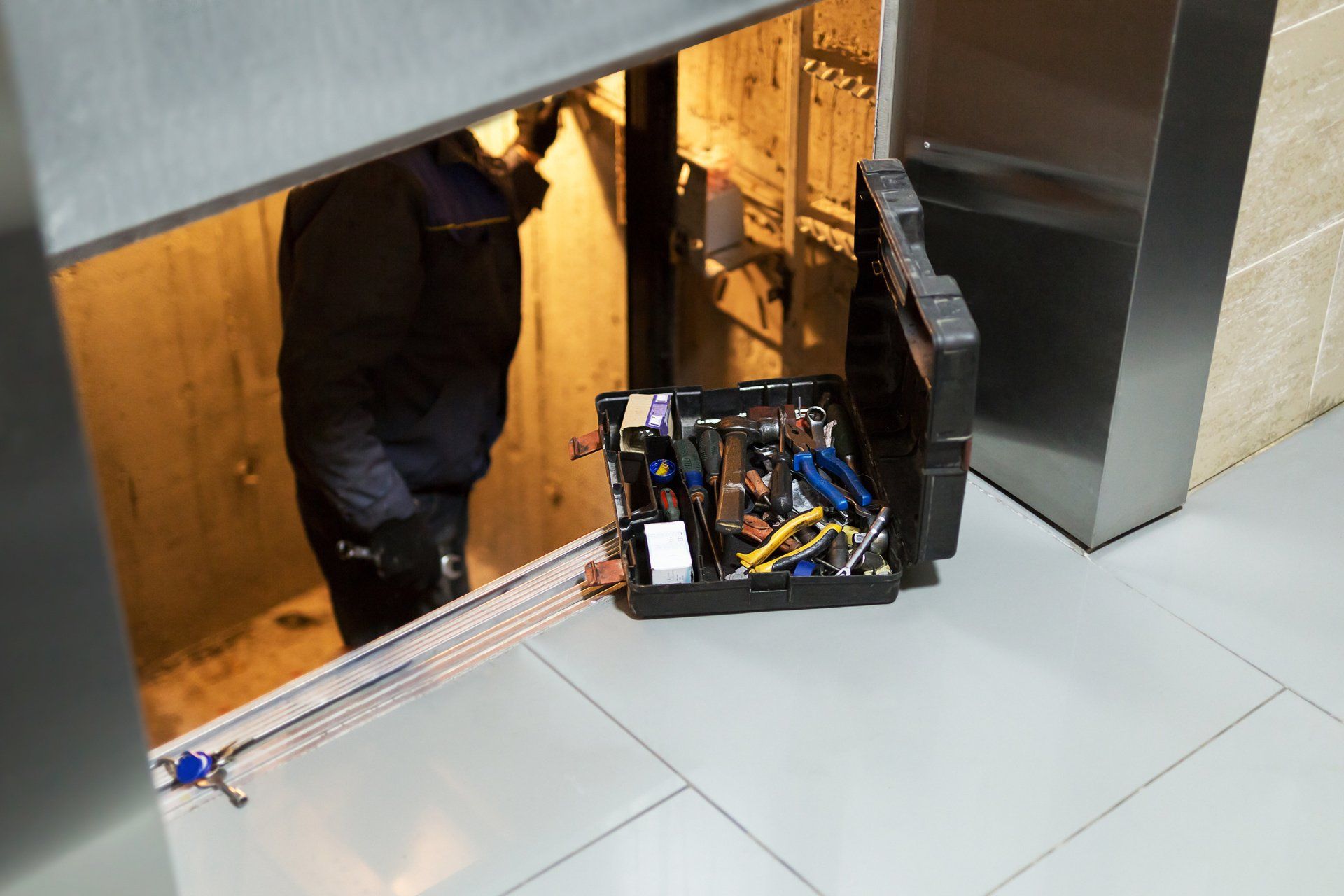
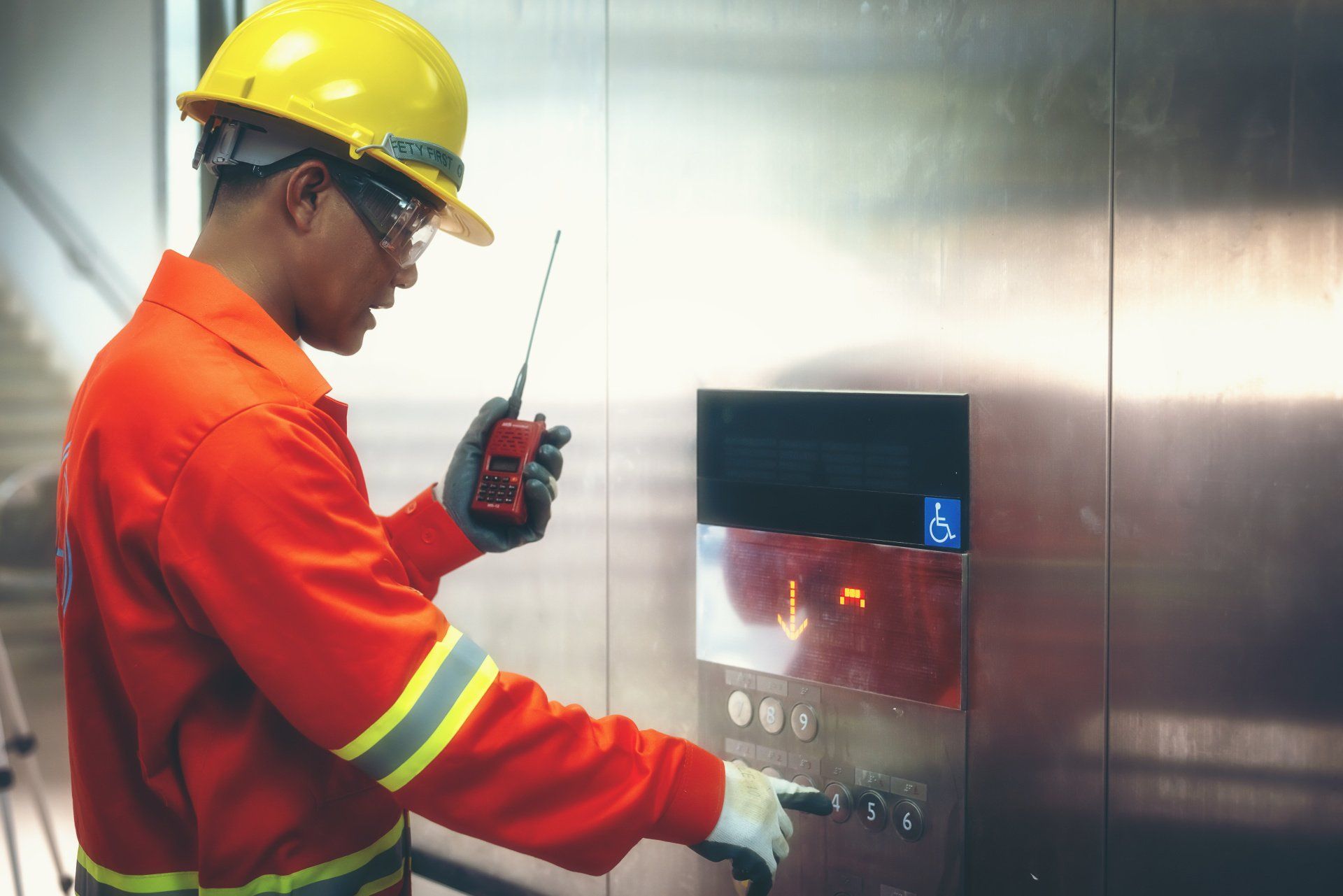
During a lift service, engineers carry out a series of checks and adjustments to ensure that the system is operating correctly. This typically includes inspecting mechanical and electrical components, assessing door operation, and reviewing overall system performance.
Any signs of wear or potential faults are identified, and where necessary, adjustments or minor repairs are carried out. The aim is to ensure that the lift continues to function safely while reducing the likelihood of future issues.
Servicing also provides an opportunity to monitor performance over time, allowing for a more informed approach to ongoing maintenance and system management.
What are the risks of not servicing a lift regularly?
Failing to service a lift at appropriate intervals can lead to a range of issues, many of which develop gradually. Without regular inspections, minor faults may go unnoticed and eventually result in more serious problems.
This can increase the likelihood of breakdowns, leading to disruption for building users and potential safety concerns. In some cases, lack of maintenance may also affect compliance with relevant safety requirements, which can have further implications for building management.
Over time, insufficient servicing can reduce the overall lifespan of the lift, resulting in higher long-term costs due to repairs or replacement.
Establishing a reliable maintenance approach
Developing a structured servicing schedule is essential for maintaining lift performance over time. By considering factors such as usage, environment, and system condition, building owners can ensure that maintenance is carried out at appropriate intervals.
A planned approach to servicing allows for consistent monitoring, early identification of issues, and reduced disruption to building operations. It also helps ensure that lifts continue to operate safely, efficiently, and in line with expected performance standards.
Need guidance on lift servicing schedules?
If you are unsure how often your lift should be serviced or want to ensure your system remains reliable, professional servicing and inspection can help maintain safe and consistent operation.