Lift Maintenance for Commercial Buildings: What Facilities Managers Need to Know
Keeping Commercial Lifts Safe, Reliable, and Operational
Lift systems are essential to the day-to-day operation of commercial buildings. In offices, retail environments, and industrial settings, lifts are relied upon for efficient movement, accessibility, and overall building functionality.
For facilities managers and building owners, maintaining consistent lift performance is critical. Disruption caused by lift faults or breakdowns can impact productivity, customer experience, and safety. This is why structured and reliable commercial lift maintenance is a key part of building management.
What is commercial lift maintenance?
Commercial lift maintenance refers to the planned servicing and inspection of lift systems within business and public environments. Unlike reactive repairs, maintenance focuses on preventing faults before they occur and ensuring that lifts continue to operate safely and efficiently.
This typically involves routine inspections of mechanical and electrical components, adjustments to maintain performance, and early identification of wear. By taking a proactive approach, maintenance reduces the likelihood of unexpected downtime and supports long-term reliability.
Why is lift maintenance important for commercial buildings?
Regular lift maintenance is essential in commercial settings where lifts are used frequently throughout the day. High levels of usage increase wear on components, making systems more susceptible to faults if not properly maintained.
Consistent servicing helps ensure that lifts remain safe for users while also maintaining performance standards. For businesses, this reduces the risk of disruption, avoids delays for staff and visitors, and supports smooth building operations.
In addition, maintenance plays an important role in compliance. Commercial properties are required to ensure that lift systems are safe and regularly inspected. A structured maintenance plan helps demonstrate that systems are being managed responsibly and in line with expected standards.
How often should commercial lifts be serviced?
The frequency of servicing will depend on the type of building, the number of lifts, and how heavily they are used. In most commercial environments, lifts are serviced on a regular schedule to ensure consistent monitoring and performance.
For office buildings and retail environments, monthly servicing is common, particularly where lifts are used throughout the day. In industrial settings, where lifts may carry heavier loads or operate in more demanding conditions, additional servicing may be required.
Establishing a clear servicing schedule ensures that lifts are checked regularly and that any developing issues are addressed promptly.
What does a commercial lift maintenance plan include?
A commercial lift maintenance plan is designed to provide ongoing support for lift systems, ensuring they remain safe and operational over time. This typically includes scheduled inspections, performance checks, and preventative servicing.
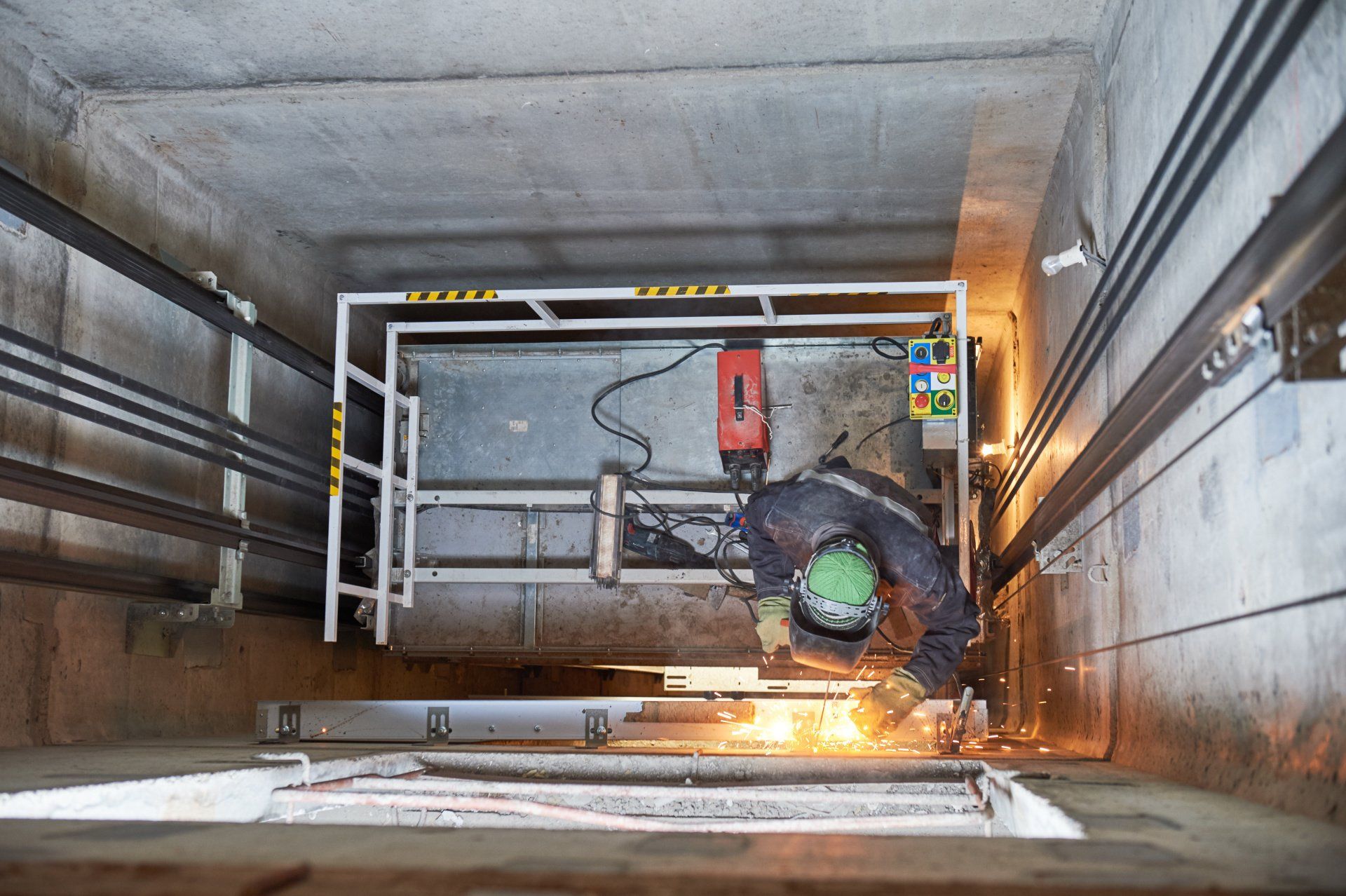
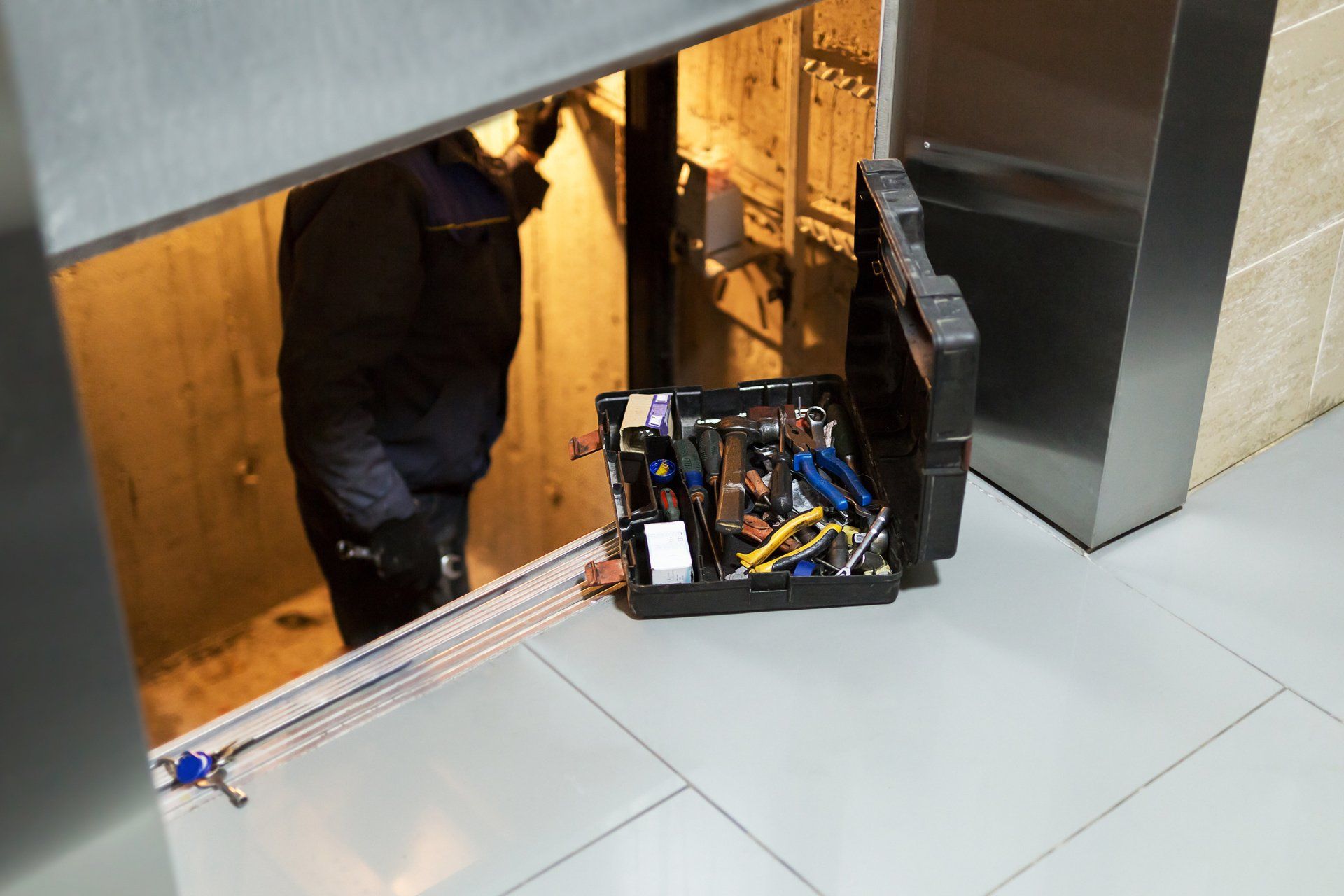
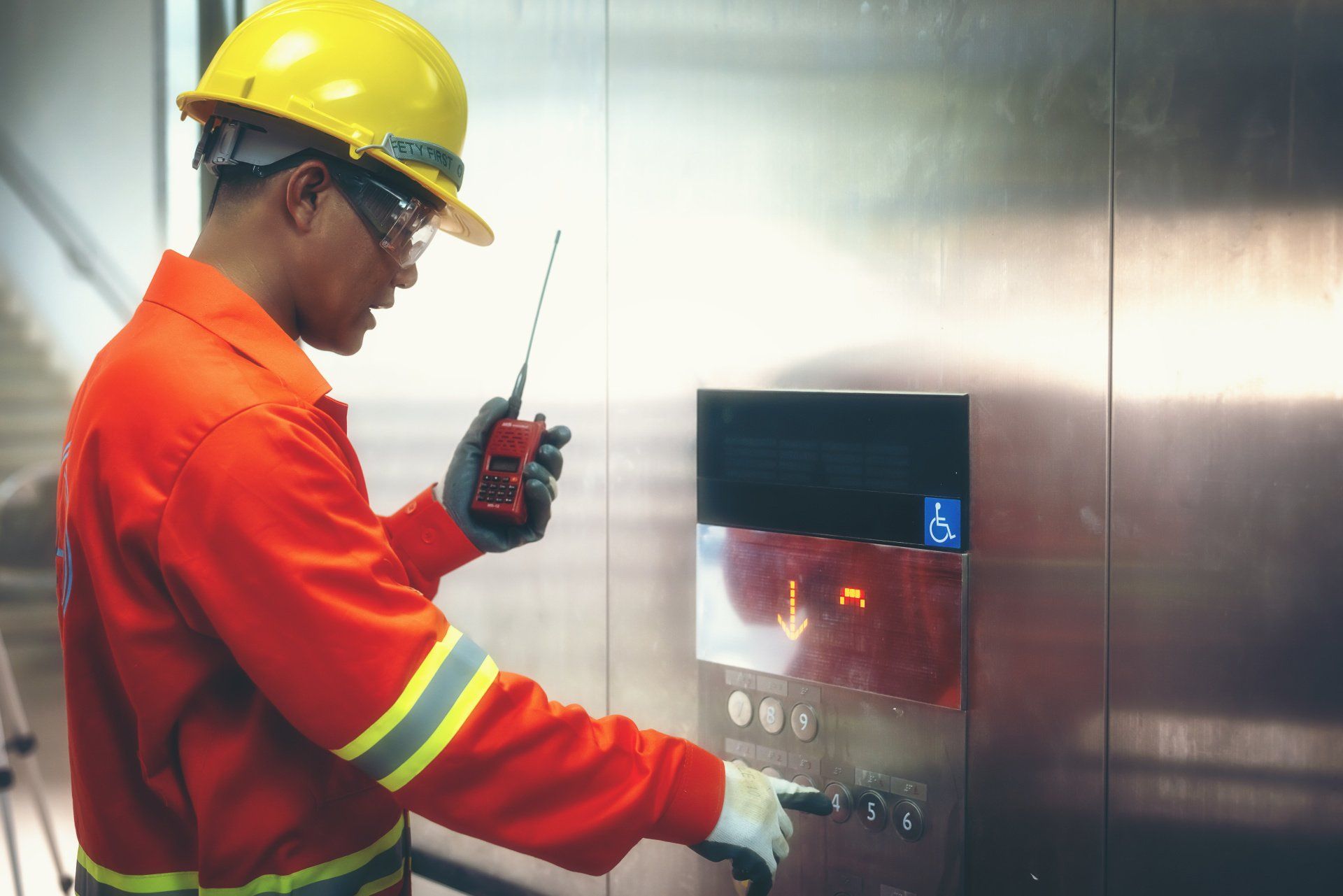
Engineers will assess key components such as doors, control systems, motors, and safety features. They will also monitor how the lift performs during operation, identifying any irregularities that may indicate potential faults.
Where issues are identified, corrective actions can be taken early, preventing more serious problems from developing. This structured approach helps maintain reliability while reducing the need for emergency repairs.
What are the risks of poor lift maintenance?
Without regular maintenance, lift systems are more likely to experience faults, breakdowns, and reduced performance. In commercial environments, this can lead to significant disruption, particularly where lifts are critical to building access.
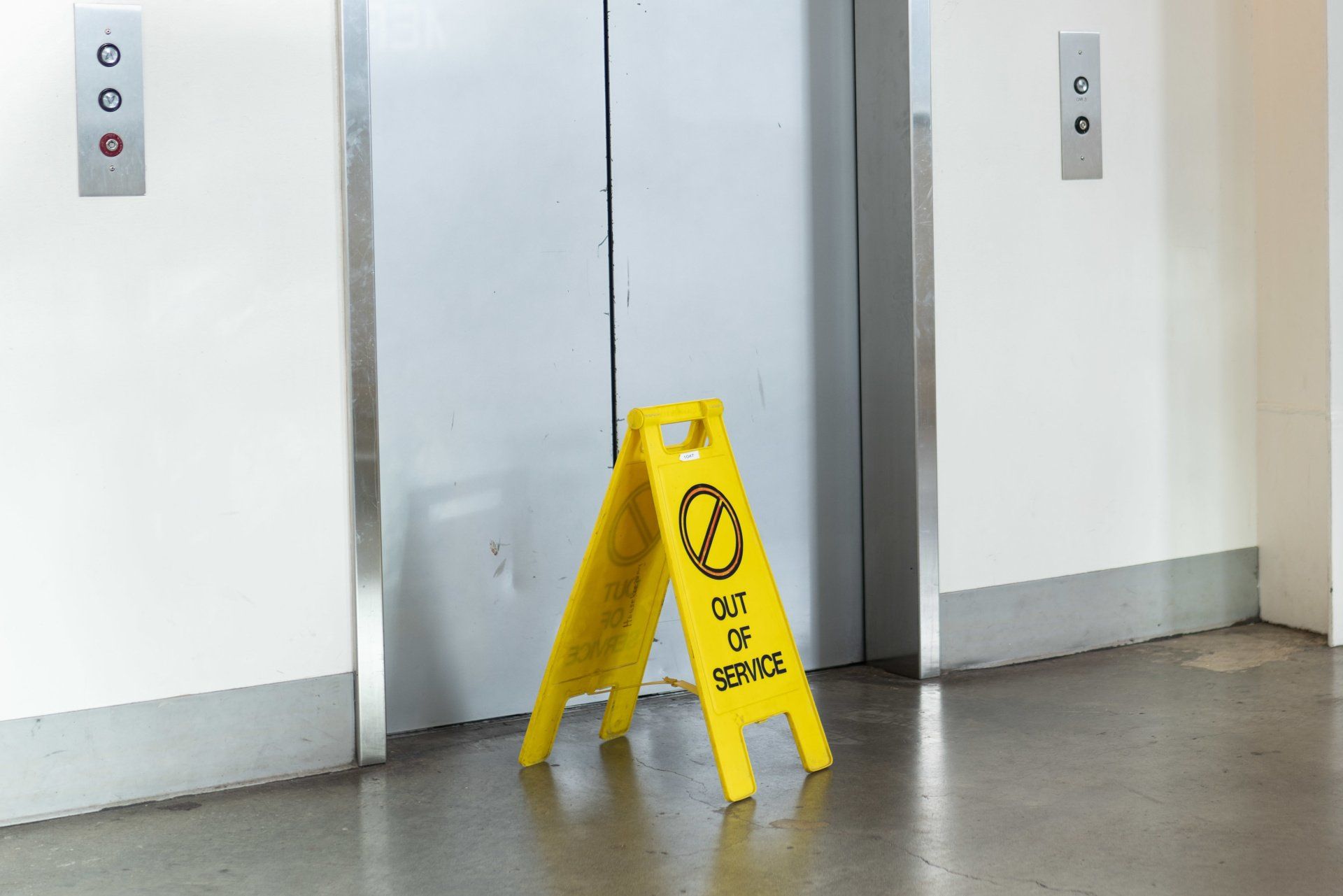
Unplanned downtime can affect staff productivity, customer experience, and overall building operations. In addition, unresolved faults may pose safety risks if systems are not operating as intended.
Over time, poor maintenance can also lead to increased repair costs, as minor issues develop into more complex and costly problems. In some cases, lack of maintenance may shorten the lifespan of the lift system, requiring earlier replacement or major upgrades.
How can facilities managers improve lift reliability?
Improving lift reliability starts with a proactive approach to maintenance. By implementing a structured servicing plan, facilities managers can ensure that lifts are monitored regularly and maintained in line with usage demands.
Working with experienced engineers allows for consistent inspections and informed decision-making when it comes to repairs or upgrades. Monitoring system performance over time also helps identify patterns, allowing for preventative action before faults occur.
In environments where lift performance is critical, combining maintenance with periodic inspections and system assessments can further improve reliability and reduce operational risk.
How does commercial lift maintenance support long-term performance?
A well-managed maintenance plan not only reduces the risk of breakdowns but also supports the long-term performance of lift systems. By addressing wear early and ensuring components operate correctly, maintenance helps extend the lifespan of equipment.
This approach allows building owners to manage costs more effectively by avoiding major repairs and delaying the need for replacement. It also ensures that lifts continue to meet operational requirements as building usage evolves.
Over time, consistent maintenance contributes to safer, more efficient, and more reliable lift operation across the building.
Supporting your building with reliable lift maintenance
For commercial properties, lift reliability is essential to maintaining smooth operations and ensuring safe access for all users. A structured approach to maintenance helps reduce risk, improve performance, and support long-term system reliability.
If you are responsible for managing lift systems within a commercial building, regular servicing and inspection can help ensure consistent performance and minimise disruption.