What Is Lift Compliance and Why Does It Matter for Commercial Buildings?
Understanding the Importance of Lift Compliance
Lift systems are a key part of daily operations in many commercial buildings, supporting accessibility, movement, and overall building functionality. In offices, retail environments, healthcare facilities, and public buildings, lifts are relied upon by staff, visitors, and customers throughout the day.
Because lifts are used so frequently, ensuring they operate safely and reliably is essential. This is where lift compliance becomes important. Maintaining compliance helps building owners and facilities managers ensure that lift systems are regularly inspected, properly maintained, and operating in a safe condition.
For commercial properties, lift compliance is not simply about meeting requirements. It also plays an important role in improving reliability, reducing risk, and supporting long-term lift performance.
What is lift compliance?
Lift compliance refers to the processes and standards involved in ensuring that lift systems are operating safely and are maintained appropriately. This includes regular inspections, servicing, condition assessments, and ongoing monitoring of system performance.
Compliance helps confirm that lifts remain safe for continued use and that any developing issues are identified before they lead to faults or operational problems. In commercial environments, this proactive approach is essential for maintaining reliable lift operation.
Lift compliance can also involve reviewing older systems to determine whether upgrades or modernisation may be required to maintain performance and reliability.
Why is lift compliance important for commercial buildings?
Commercial buildings often experience high levels of lift usage throughout the day. In busy environments, lift systems are under constant demand, increasing wear on components and placing greater importance on regular inspection and maintenance.
Without proper compliance procedures in place, faults may go unnoticed until they begin affecting lift performance or cause operational disruption. Unexpected breakdowns can impact staff productivity, accessibility, and overall building efficiency.
Lift compliance helps reduce these risks by ensuring that systems are routinely checked and maintained. This allows facilities managers to take a proactive approach to lift safety and reliability while reducing the likelihood of unexpected issues.
What does a lift compliance inspection involve?
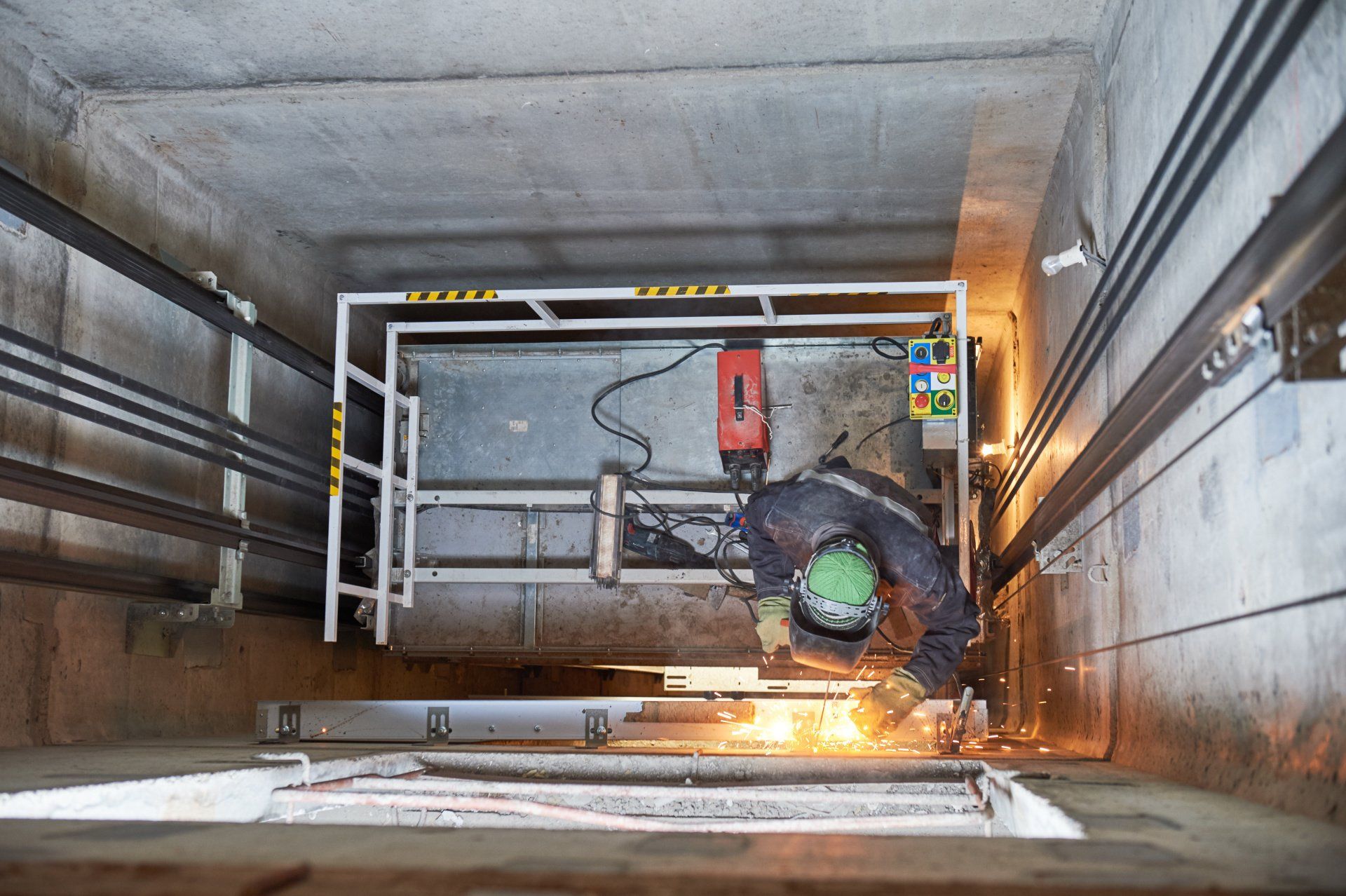
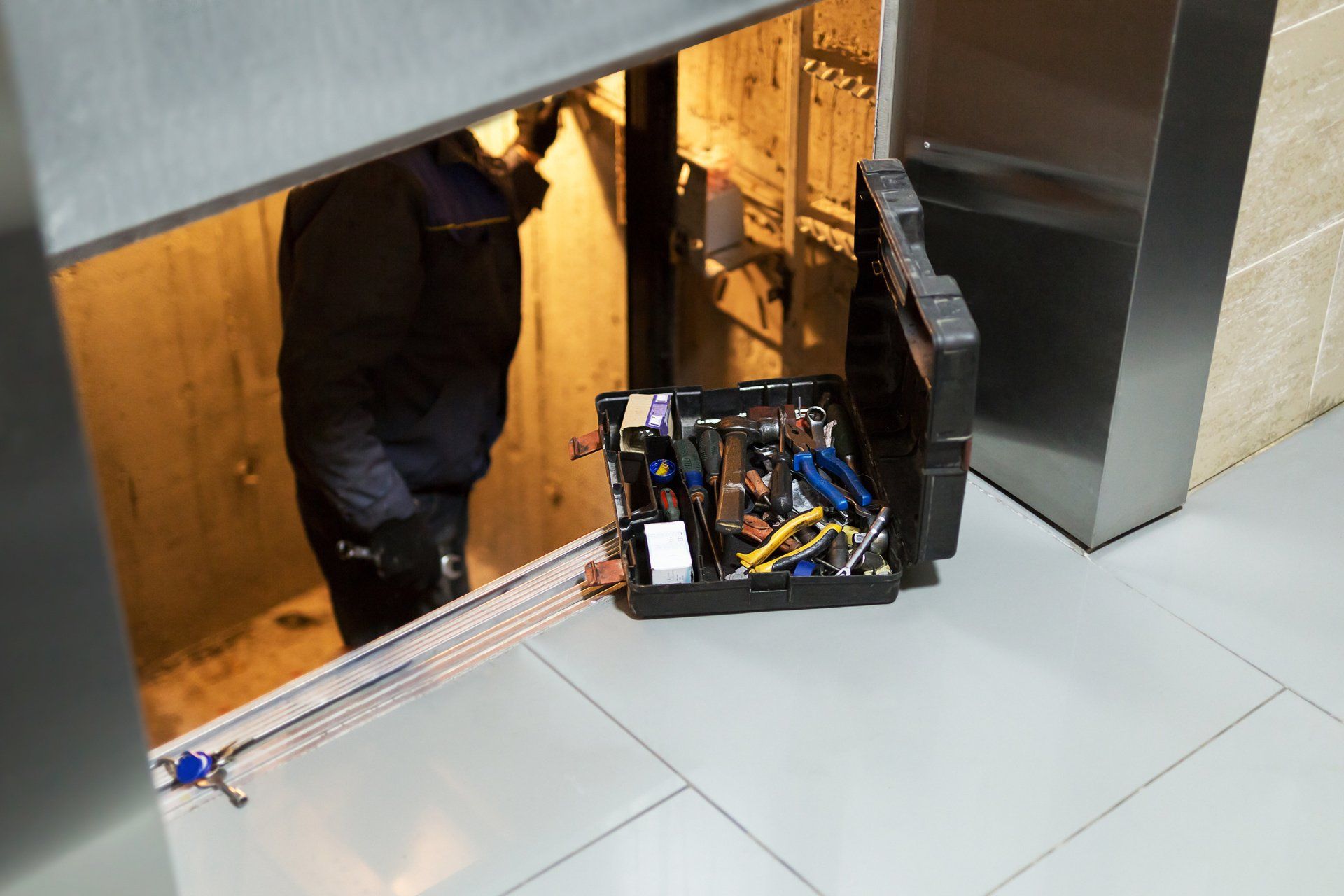
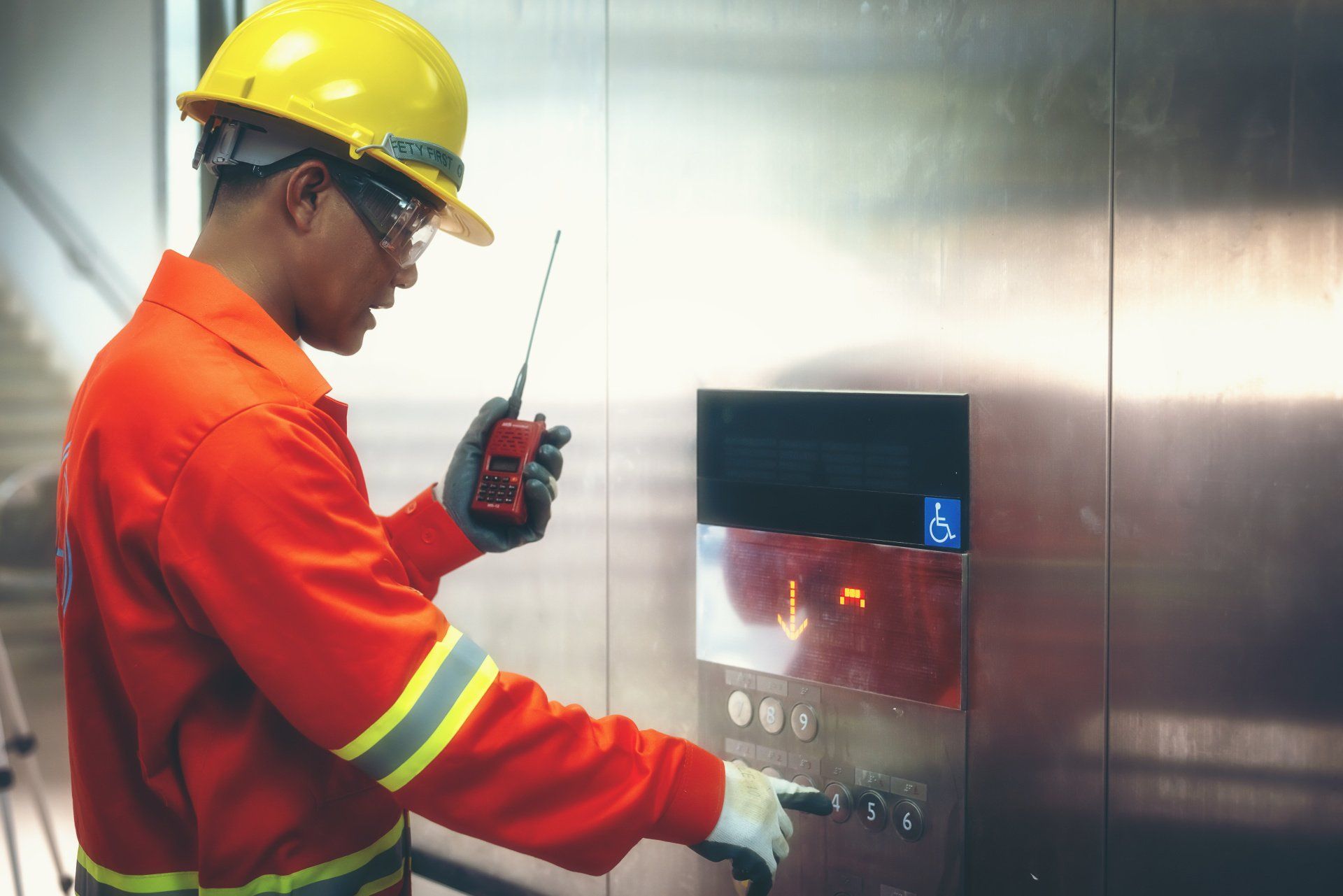
A lift compliance inspection typically involves reviewing the condition and operation of the lift system to identify any concerns that may affect safety or performance. Engineers may inspect components such as doors, motors, control systems, emergency features, and lift operation between floors.
The inspection process helps identify wear, performance irregularities, or potential faults that may require attention. In some cases, recommendations may also be made for upgrades or improvements where systems are ageing or no longer operating efficiently.
Regular inspections are an important part of maintaining lift safety and ensuring that systems continue to perform reliably over time.
How often should commercial lifts be inspected?
The frequency of lift inspections can vary depending on the type of building, how heavily the lift is used, and the operational demands placed on the system.
In many commercial buildings, lifts are inspected regularly as part of an ongoing maintenance and compliance strategy. Buildings with high footfall or continuous lift usage may require more frequent monitoring to ensure systems remain reliable and safe.
Routine inspections help identify developing issues early and support long-term lift performance by ensuring that maintenance needs are addressed proactively.
Can lift compliance improve reliability?
Lift compliance plays a significant role in improving reliability because it focuses on identifying issues before they develop into major faults. By regularly assessing system condition and performance, engineers can address wear and minor defects early.
This preventative approach helps reduce the likelihood of unexpected lift breakdowns and minimises disruption within the building. For commercial environments where lift availability is essential, maintaining reliability is a major operational priority.
Consistent compliance inspections and servicing also help ensure that lift systems continue operating efficiently as building usage changes over time.
What happens if lift compliance is ignored?
Ignoring lift compliance can increase the risk of operational problems, system failures, and reduced lift performance. Over time, minor issues may worsen if they are not identified through regular inspections and maintenance.
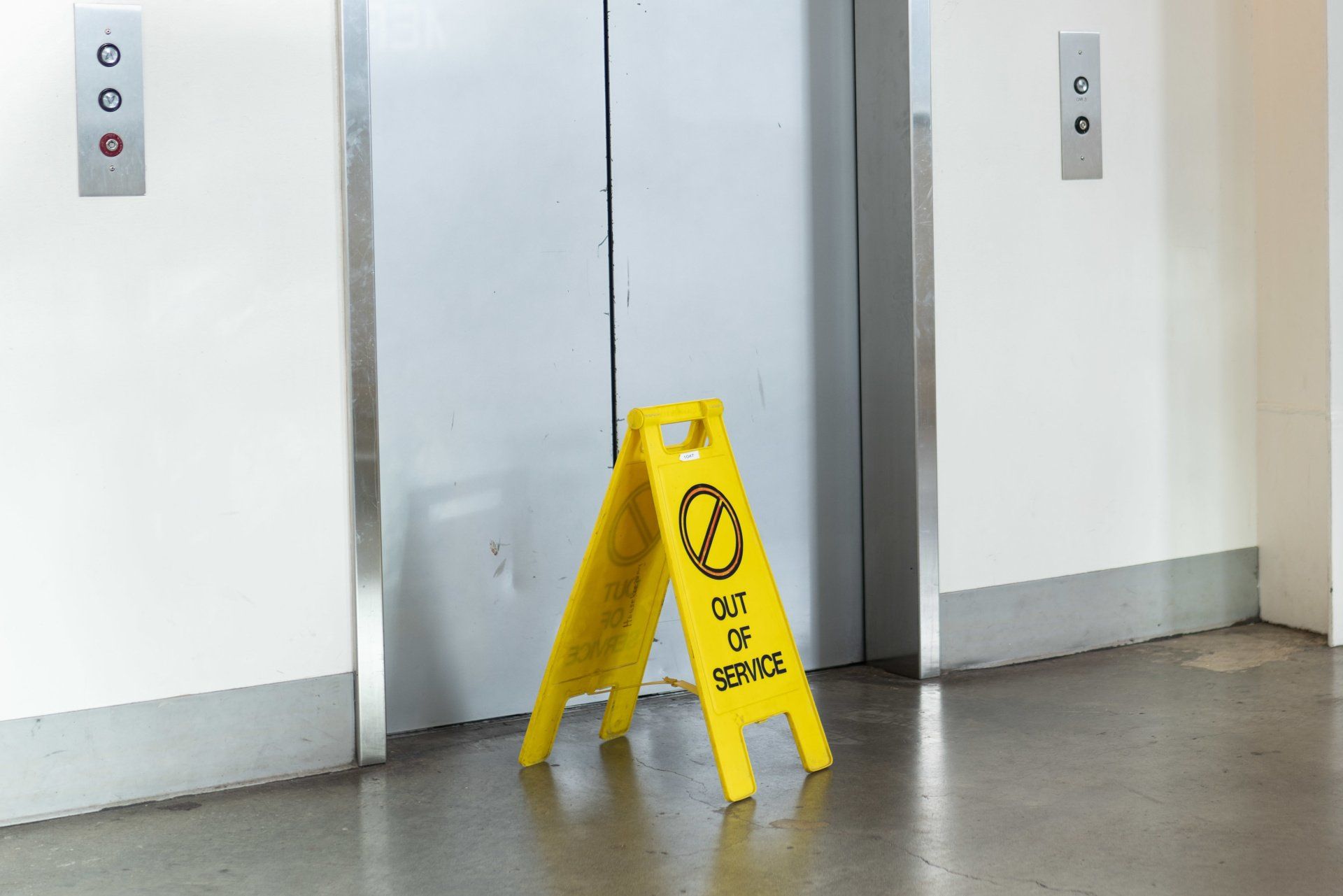
In commercial settings, lift downtime can affect accessibility, staff movement, customer experience, and day-to-day operations. Repeated faults may also lead to increased repair costs and reduced system lifespan.
A lack of proactive compliance management can make it more difficult to maintain reliable operation, particularly in older lift systems where components may already be experiencing wear.
How can facilities managers support lift compliance?
Facilities managers can support lift compliance by ensuring that lift systems are maintained on a structured schedule and inspected regularly by qualified engineers. Monitoring lift performance and responding quickly to developing issues also helps maintain safe and efficient operation.
Regular lift assessments can provide valuable insight into overall system condition and identify opportunities for upgrades or modernisation where necessary. This allows building owners to plan improvements proactively rather than responding only when faults occur.
By taking a preventative approach, facilities managers can help reduce operational disruption and improve long-term lift reliability.
Supporting safe and reliable lift operation
Lift compliance is an essential part of maintaining safe, reliable, and efficient lift systems within commercial buildings. Through regular inspections, ongoing maintenance, and proactive system management, building owners can help ensure that lifts continue to operate effectively over the long term.
If your building relies on lift systems for daily operations, maintaining a strong compliance strategy can help improve reliability, reduce risk, and support better overall building performance.