How to Choose the Right Lift Maintenance Plan for Your Business
Selecting the Right Approach to Lift Maintenance
For businesses that rely on lift systems, choosing the right maintenance plan is essential to ensuring safe and consistent operation. In commercial, industrial, and public environments, lifts are used daily and play a key role in maintaining accessibility and efficiency within the building.
A well-structured lift maintenance plan helps reduce the risk of breakdowns, supports long-term performance, and ensures that systems remain safe for users. For facilities managers and building owners, understanding what to look for in a maintenance plan is an important step in managing building operations effectively.
What is a lift maintenance plan?
A lift maintenance plan is a structured agreement that outlines how and when a lift system will be serviced. It typically includes scheduled inspections, preventative maintenance, and ongoing support to ensure that lifts continue to operate reliably.
Rather than responding to faults as they occur, a maintenance plan focuses on identifying and addressing issues early. This approach helps reduce unexpected downtime and supports consistent performance over time.
Maintenance plans can vary depending on the building type, the number of lifts, and the level of usage, making it important to select an option that aligns with operational needs.
What should a lift maintenance plan include?
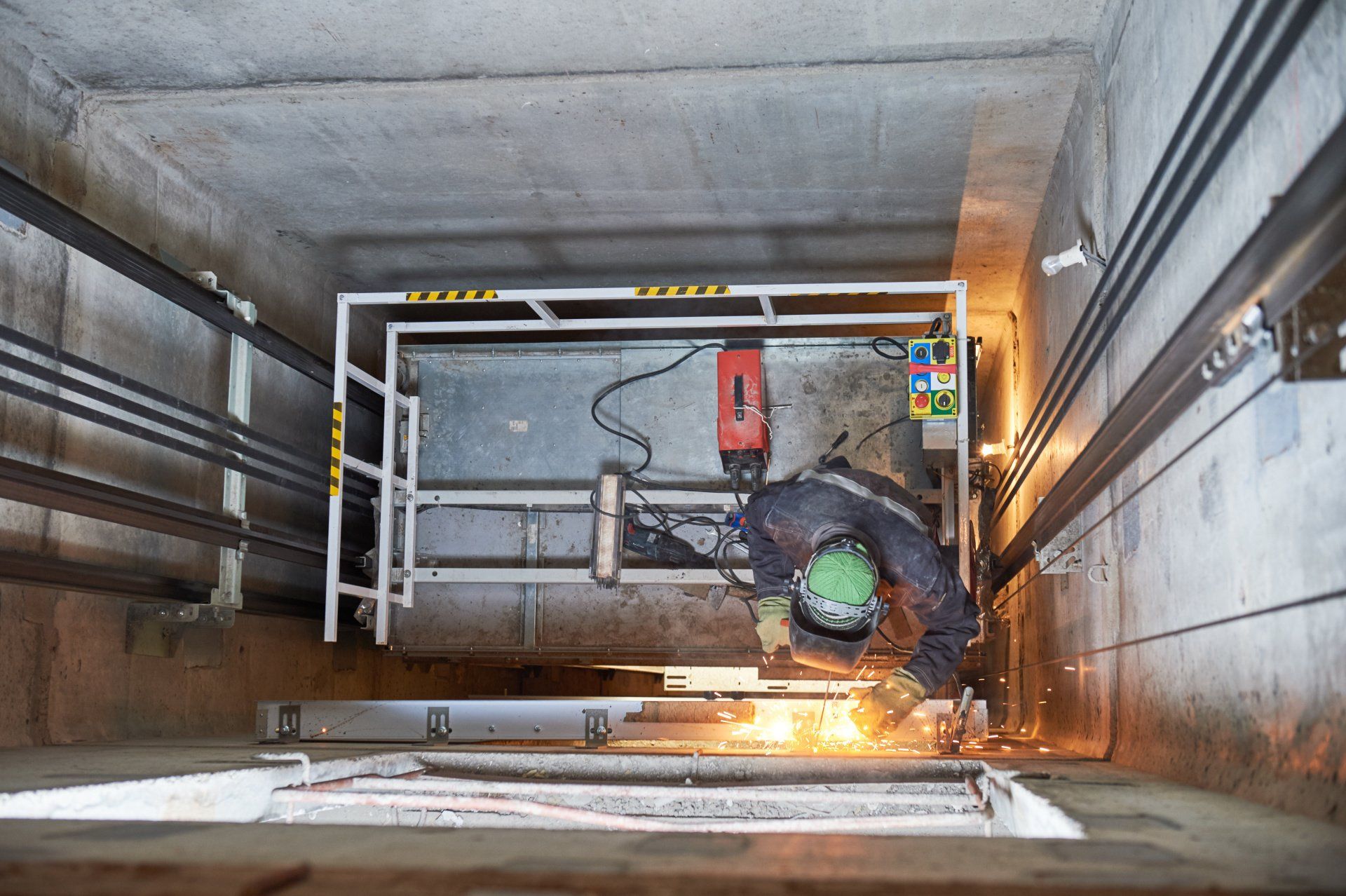
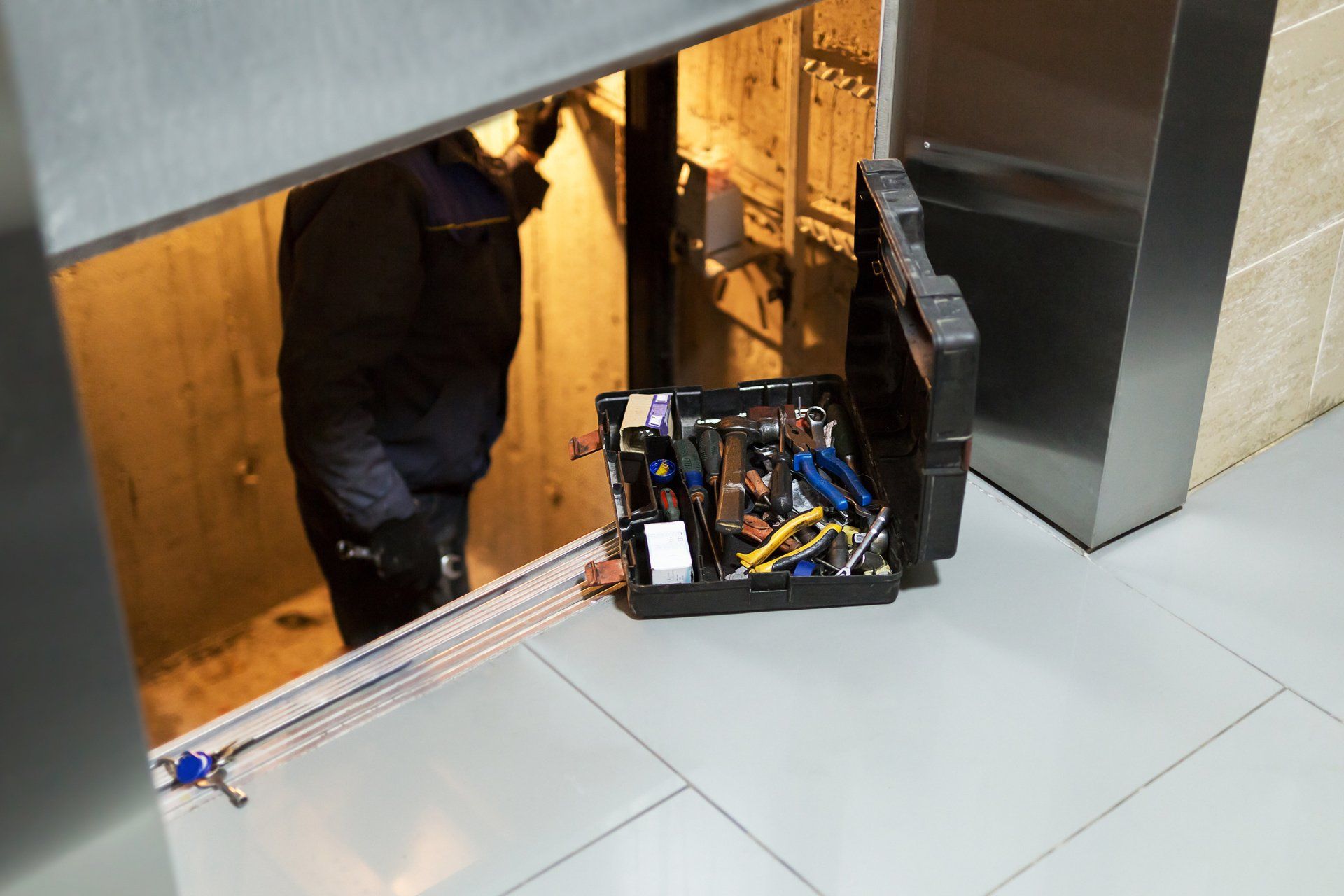
An effective lift maintenance plan should provide a comprehensive approach to system care. This includes regular servicing at appropriate intervals, allowing engineers to inspect components and monitor system performance.
During these visits, key elements such as control systems, motors, doors, and safety features are assessed to ensure they are operating correctly. Any signs of wear or potential faults can be addressed before they develop into more serious issues.
A strong maintenance plan will also include a clear structure for managing repairs and ongoing support, ensuring that any issues are handled efficiently and with minimal disruption.
How do you choose the right maintenance plan for your building?
Choosing the right maintenance plan depends on several factors, including how the lift is used and the environment in which it operates. Buildings with high levels of daily usage, such as offices or retail spaces, will typically require more frequent servicing to maintain performance.
In industrial settings, where lifts may be used to transport goods or operate under demanding conditions, maintenance plans may need to be tailored to account for additional wear and operational requirements.
The age and condition of the lift system should also be considered. Older systems may benefit from more frequent inspections and a more proactive maintenance approach to ensure reliability.
Understanding these factors allows building owners and facilities managers to select a maintenance plan that supports both performance and long-term system health.
Why is a tailored maintenance plan important?
A tailored maintenance plan ensures that lift systems are maintained in line with their specific usage and operational demands. Rather than applying a standard approach, maintenance can be adapted to suit the building, helping to improve efficiency and reduce unnecessary servicing.
This is particularly important in commercial environments where lift usage can vary significantly. By tailoring the maintenance plan, building managers can ensure that resources are used effectively while maintaining consistent system performance.
A tailored approach also helps ensure that potential issues are addressed early, reducing the likelihood of unexpected breakdowns and supporting long-term reliability.
What are the risks of choosing the wrong maintenance plan?
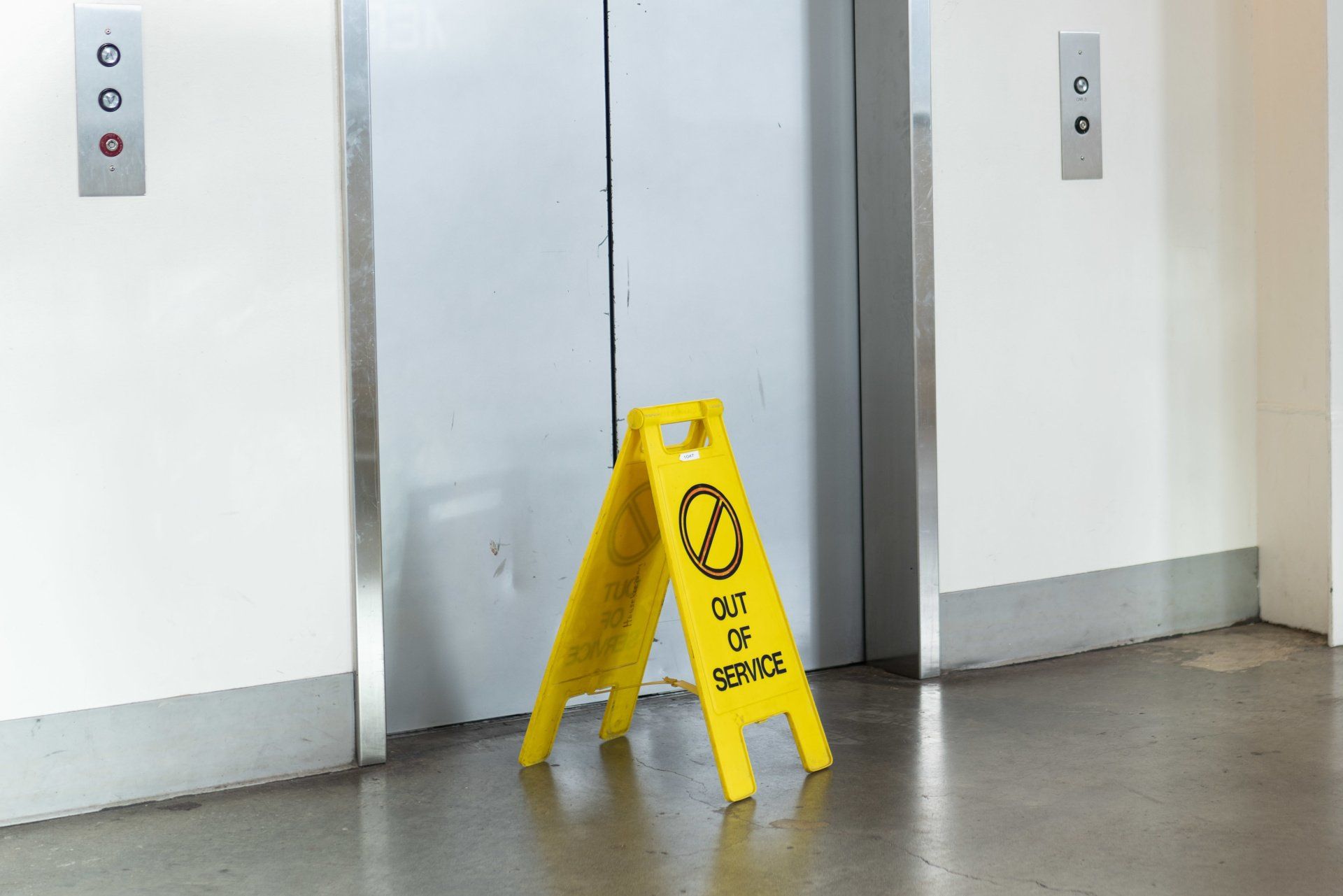
Selecting an unsuitable maintenance plan can lead to a range of issues. If servicing is not carried out frequently enough, faults may go undetected and develop into more serious problems. This increases the risk of breakdowns and can result in disruption to building operations.
On the other hand, an overly intensive plan may not provide additional benefits if it does not align with actual usage. This can lead to unnecessary costs without improving system performance.
Finding the right balance is key to ensuring that lift systems are maintained effectively while managing operational costs.
How does a maintenance plan support long-term reliability?
A well-structured maintenance plan supports long-term reliability by ensuring that lift systems are regularly inspected and maintained. By addressing wear and monitoring performance, the plan helps prevent faults and maintain consistent operation.
Over time, this reduces the likelihood of major repairs and extends the lifespan of the lift system. It also allows building managers to plan maintenance activities more effectively, reducing disruption and ensuring that systems continue to meet operational requirements.
Consistent maintenance provides a stable foundation for lift performance, helping ensure that systems remain dependable in the long term.
When should a maintenance plan be reviewed?
Maintenance plans should be reviewed periodically to ensure they remain aligned with building needs. Changes in occupancy, usage patterns, or system condition may require adjustments to servicing frequency or scope.
Regular reviews allow facilities managers to assess how well the current plan is performing and whether improvements are needed. This ensures that lift systems continue to receive the appropriate level of care and support.
A proactive approach to reviewing maintenance plans helps maintain efficiency and ensures that systems continue to operate reliably over time.
Making the right decision for your lift systems
Choosing the right lift maintenance plan is a key part of managing building operations effectively. By understanding system requirements and selecting a plan that aligns with usage, building owners can ensure safe, reliable, and efficient lift performance.
If your business relies on lift systems, a structured and well-managed maintenance plan can help reduce risk, improve reliability, and support long-term operational success.