What Causes Lift Breakdowns and How Regular Maintenance Can Prevent Them
Introduction
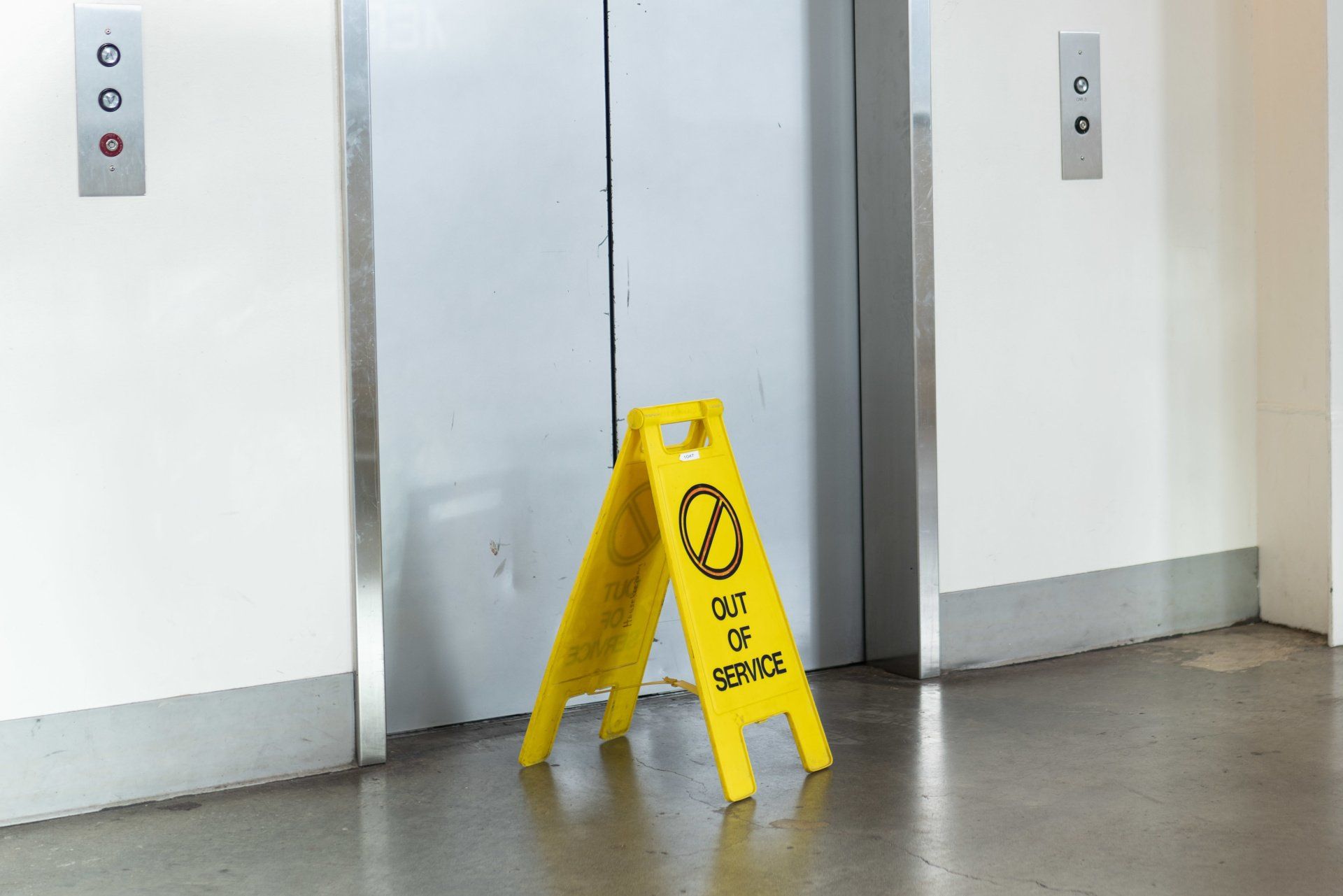
Lift breakdowns can cause significant disruption in both commercial and residential buildings. Delays, inconvenience, and potential safety concerns can quickly arise when a lift is taken out of service, particularly in high-use environments.
Understanding the underlying causes of lift breakdowns — and how regular maintenance can prevent them — is essential for building owners and facilities managers who rely on consistent, safe operation.
What causes lift breakdowns?
Lift breakdowns are typically the result of gradual wear, system faults, or insufficient maintenance. In many cases, issues develop over time rather than occurring suddenly, which means early signs can often be identified before a complete failure happens.
Mechanical components such as cables, pulleys, and door systems are subject to continuous use and naturally wear down. As these parts degrade, performance can become less reliable, increasing the likelihood of faults. Electrical systems can also contribute to breakdowns, particularly where control panels, sensors, or wiring begin to malfunction.
Door-related issues are among the most common causes of lift faults. If doors fail to open or close correctly, the lift may stop operating altogether as a safety precaution. In addition, lifts that experience high levels of daily use are more susceptible to breakdown if they are not maintained in line with demand.
In many cases, however, the most significant contributing factor is a lack of regular servicing. Without routine inspections, minor issues can go unnoticed and gradually develop into more serious problems.
How does regular lift maintenance prevent breakdowns?
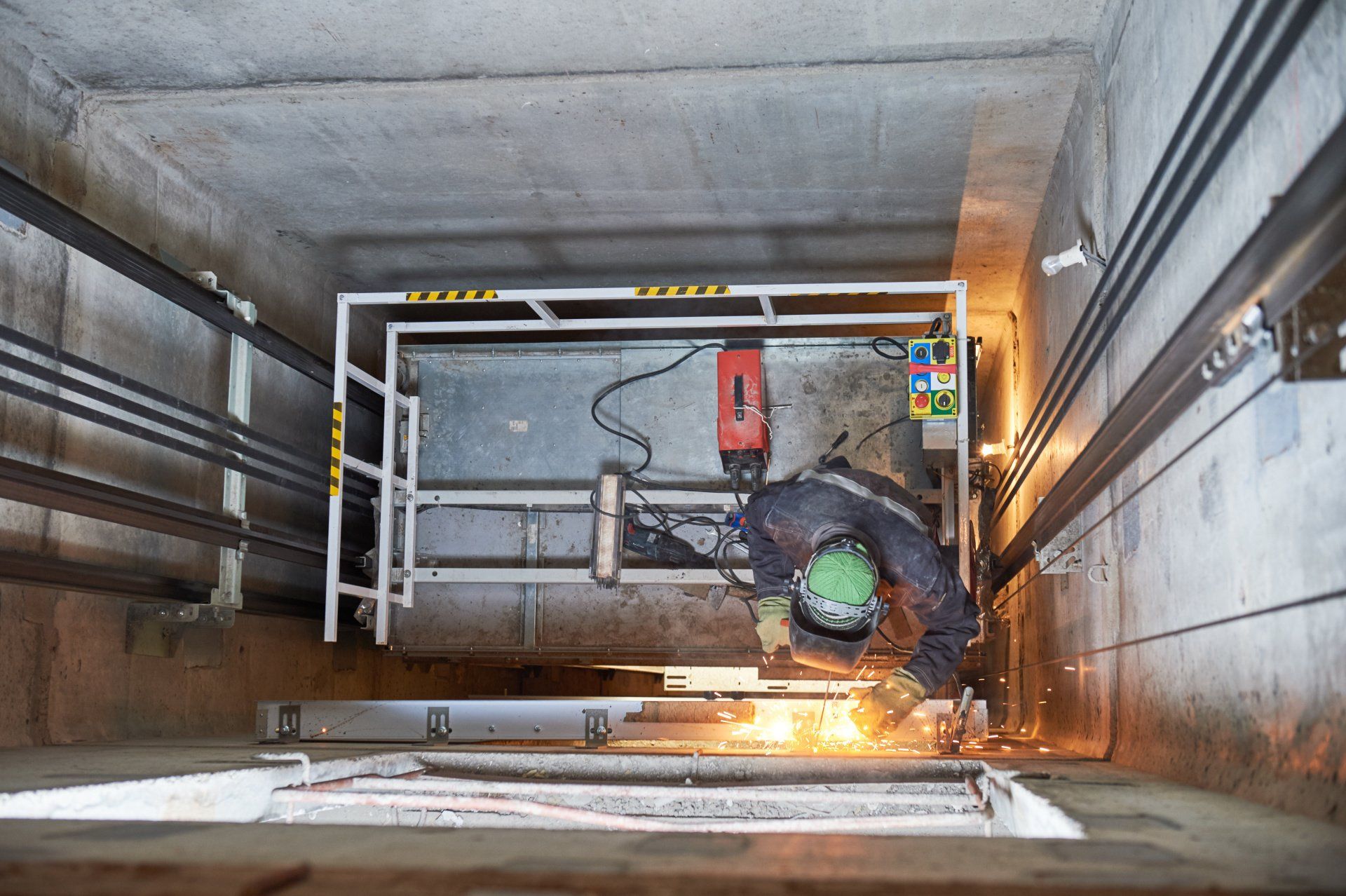
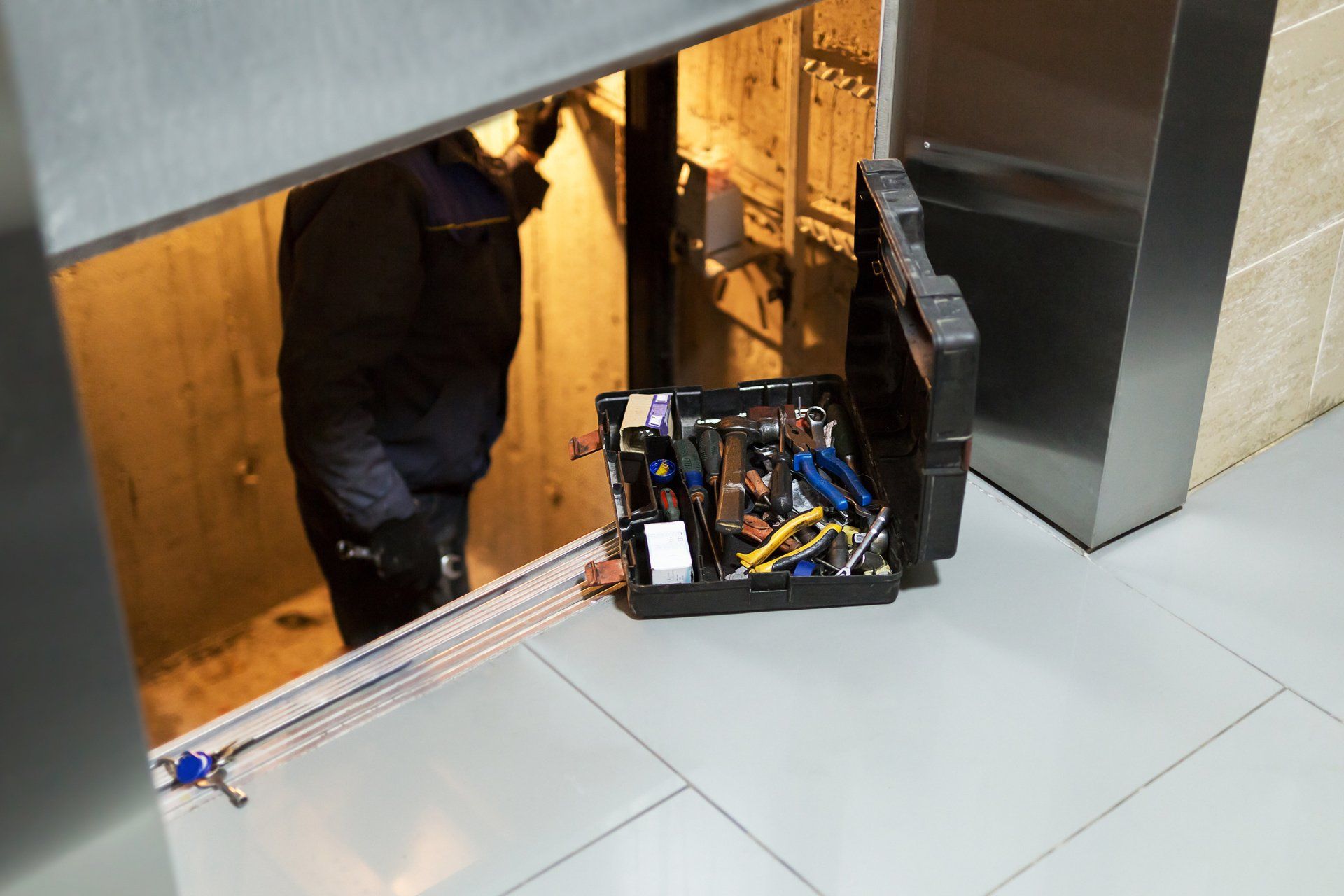
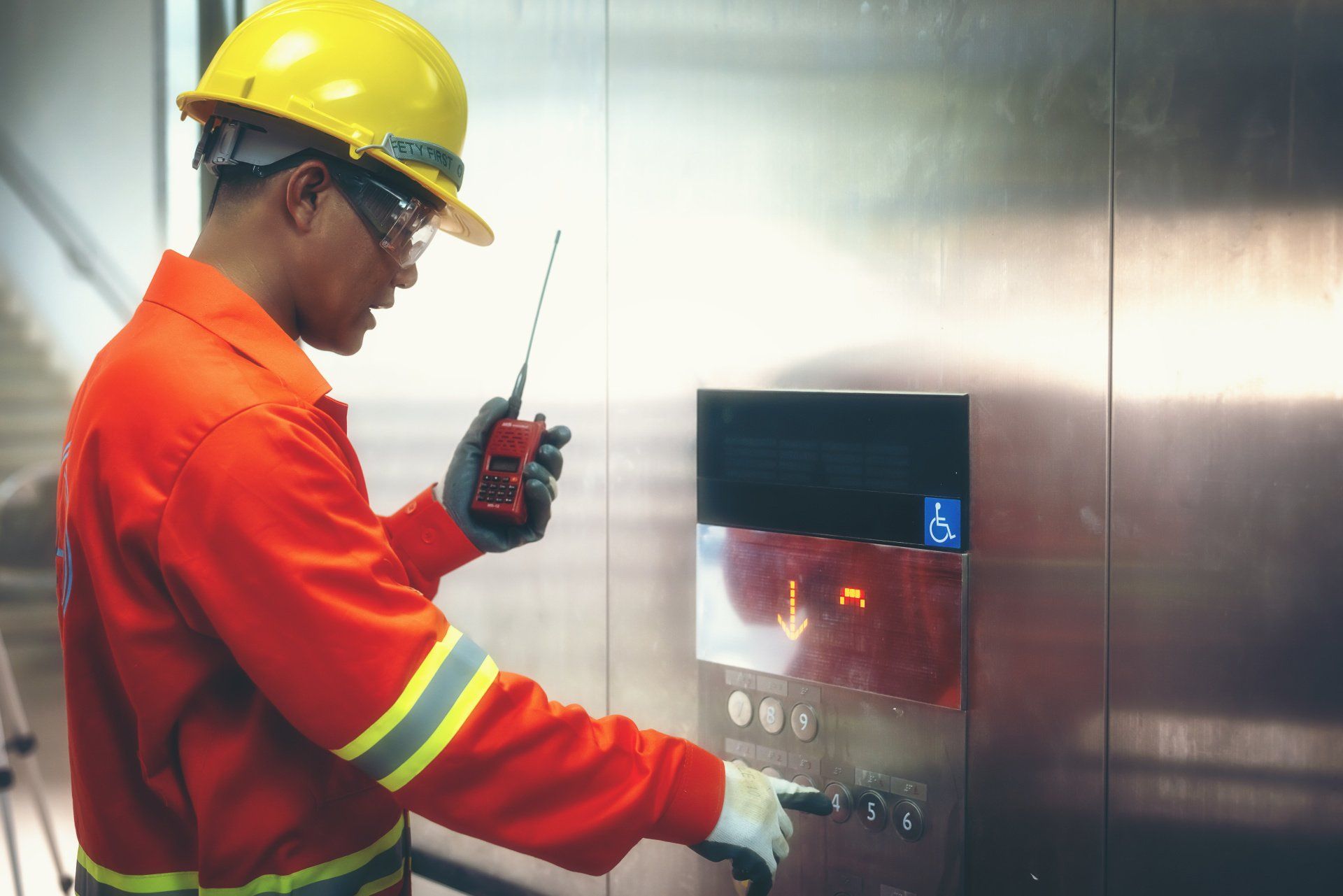
Regular lift maintenance is designed to identify potential issues before they result in failure. By carrying out planned inspections and servicing, engineers can assess the condition of key components and address early signs of wear.
This proactive approach helps to maintain consistent performance and reduces the likelihood of unexpected downtime. Components can be adjusted, repaired, or replaced as needed, ensuring that the system continues to operate safely and efficiently.
Maintenance also plays an important role in extending the lifespan of lift equipment. By reducing strain on individual components and ensuring that systems are operating as intended, long-term reliability can be improved. In addition, regular servicing supports compliance with safety standards, helping to ensure that lifts remain suitable for continued use.
How often should a lift be maintained?
The frequency of lift maintenance will depend on several factors, including the type of building, the level of usage, and the complexity of the system. Lifts in busy commercial environments, such as office buildings or public facilities, typically require more frequent servicing due to higher demand.
In residential settings, maintenance schedules may vary, but regular servicing is still essential to ensure safe operation. Where lifts are subject to heavy or continuous use, more frequent inspections may be necessary to maintain performance and reduce the risk of faults.
Establishing a structured maintenance plan allows for consistent monitoring and ensures that servicing is carried out at appropriate intervals.
What are the signs a lift may be about to break down?
In many cases, lifts will show warning signs before a breakdown occurs. These signs may initially appear minor but can indicate underlying issues that require attention.
Unusual noises during operation, such as grinding or knocking sounds, may suggest mechanical wear. Delays in movement, uneven travel between floors, or inconsistent performance can also indicate that components are not functioning as expected.
Problems with door operation are another common indicator. If doors hesitate, fail to close properly, or reopen unexpectedly, this may point to faults within the door system or control mechanisms. Frequent shutdowns or recurring faults are also a clear sign that the lift requires inspection.
Addressing these issues early can help prevent more significant disruption and reduce the likelihood of a complete breakdown.
Can lift breakdowns be completely avoided?
While it is not always possible to prevent every breakdown, the likelihood can be significantly reduced through regular maintenance and timely intervention. A proactive approach ensures that potential issues are identified and resolved before they affect performance.
By monitoring system condition and maintaining key components, building owners can minimise the risk of unexpected failures and ensure that lifts remain reliable over time.
Why preventative maintenance is essential
Preventative maintenance focuses on maintaining system performance and reducing the risk of faults before they occur. Rather than responding to breakdowns after they happen, this approach allows for planned servicing and controlled repairs.
This is particularly important in environments where lift reliability is critical, such as commercial buildings, healthcare facilities, and residential developments. In these settings, even short periods of downtime can have a significant impact on building operations and user experience.
A well-structured maintenance plan helps ensure that lifts continue to operate safely, efficiently, and with minimal disruption.
Conclusion
Lift breakdowns are often the result of wear, system faults, or insufficient maintenance. While some issues may be unavoidable, many can be prevented through regular servicing and early identification of potential problems.
By investing in routine maintenance, building owners can improve reliability, reduce downtime, and support the safe operation of their lift systems over the long term.
Need support with lift maintenance or repairs?
If your lift is showing signs of wear or you want to reduce the risk of breakdowns, professional servicing and inspection can help ensure continued safe and reliable operation.